

Ordering different styles of work shirts sounds simple until you’re stuck choosing between fabrics, fits, and styles for a dozen different job roles. What works for a warehouse crew won’t hold up for a client meeting, and what looks presentable at the front desk might fall apart on a job site. The result? Businesses either overspend on work uniform shirt types that don’t get worn, or underspend on shirts that don’t last.
To make it easier for businesses, we’ve rounded up the 26 types of work shirts every business should invest in, in 2026.
“There are many types of work shirts that come in different shapes and sizes, ranging from heavy-duty work shirts to chef coats and other kinds of work shirts. The best option depends on your industry, work environment, and daily job requirements.”
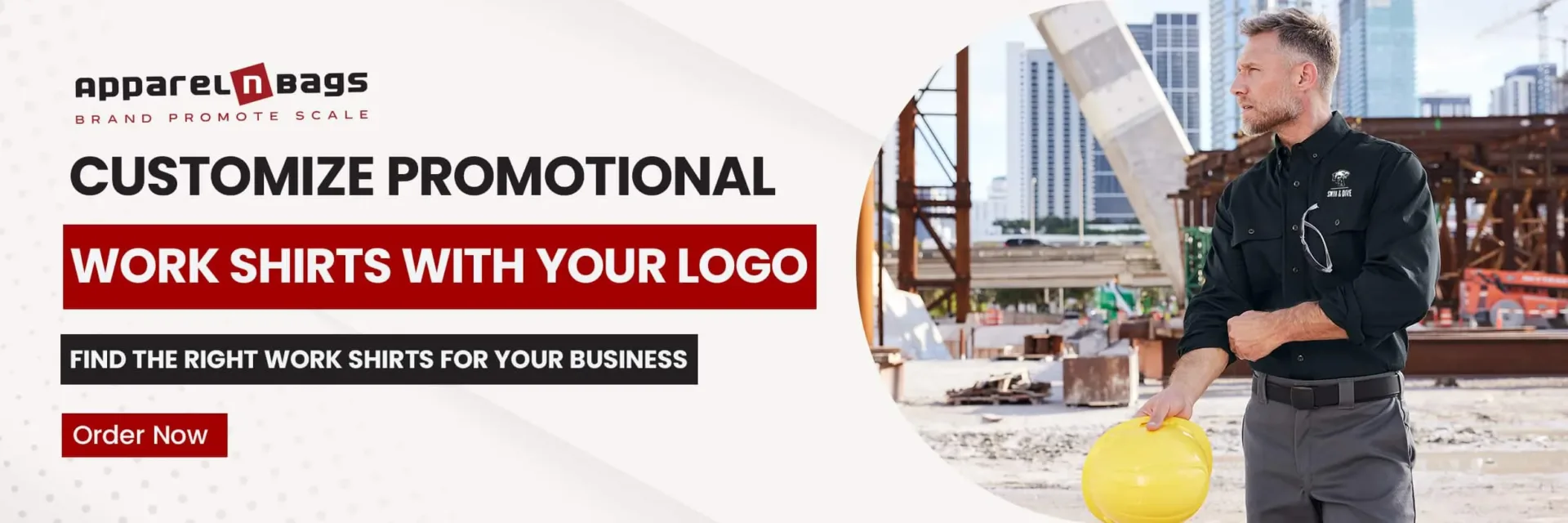

26 Different Types of Work Shirts for Every Industry
The right work shirt should support tasks like lifting, bending, and working outdoors. It should also meet the safety requirements of the job. Below, we have broken down the types of work shirts by industry, so businesses can quickly find the most suitable option for their team. This covers everything from the chef work shirts to janitorial and manufacturing work shirt types. We also mention fabrics and features that make each one suitable for the job.
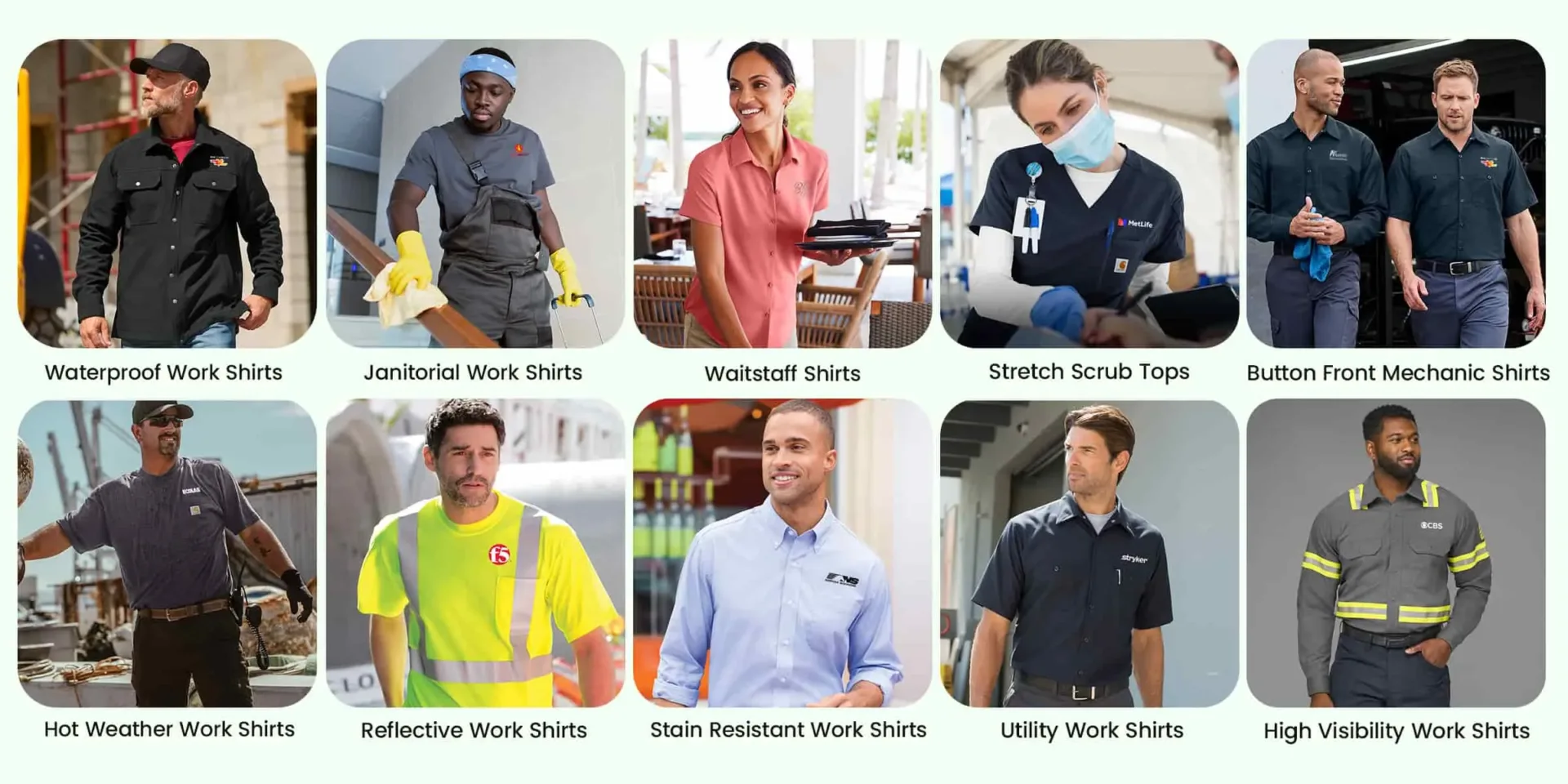
Types of Work Shirts for Industrial Workers
Heavy lifting, workplace hazards, and long shifts can quickly wear out ordinary work shirts. That’s why businesses often prefer work shirts that are specifically designed for industrial environments. Below are 3 top types of work shirts made for industrial environments.
Utility Work Shirts
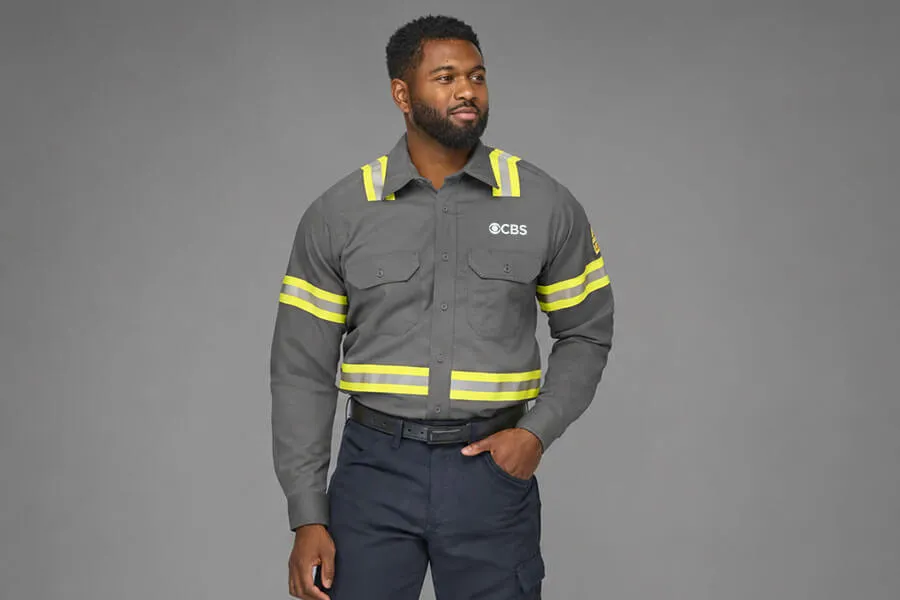
Warehouse, manufacturing, and maintenance teams work in demanding environments. For businesses managing these teams, utility shirts are one of the most practical workwear shirt types available. Workers benefit from the functional design details, such as the collar that will keep their neck safe from dust, debris, and wind on long work shifts.
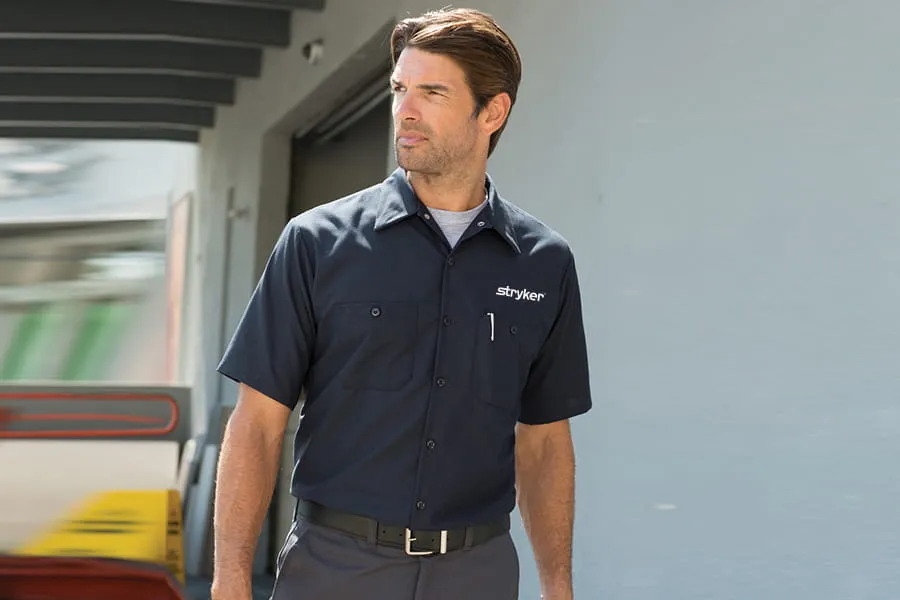
Utility shirts have chest pockets, often with a flap, letting workers store pencils, notes, or small tools. These industrial work shirt types are commonly made with cotton and twill fabrics. Cotton allows airflow during long shifts, while twill resists snags and abrasions in rough environments.
- Fabric: 100% cotton, twill, cotton/poly blends, oxford weave, sateen, and denim.
- Logo placement: Above left pocket, back, or top part of sleeves.
Heavy-Duty Work Shirts
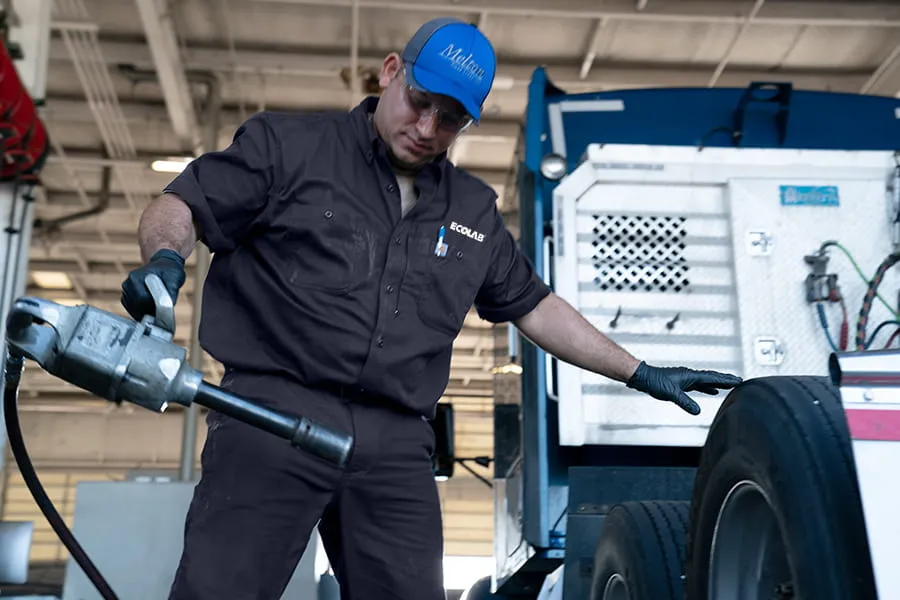
Another option among industrial work shirt types for tough work environments is the heavy-duty shirt, made from durable fabrics like canvas and ripstop. These shirts use bartacking, a stitching technique applied at its key points, including shoulder seams and pocket edges, to prevent tearing.
For welders, it helps keep shoulder seams from tearing while they work with their arms raised. As for electricians, it helps prevent pockets and seams from wearing out too quickly. Multiple-stitched seams and double-layered elbows further add durability so businesses replace workwear less often.
These types of work shirts are ideal for electricians, welders, and heavy machinery operators. Businesses can also look through different heavy-duty work shirt styles and choose one that meets their industry requirements.
- Fabric: Canvas, denim, thick twill, and ripstop.
- Logo placement: Left chest, back, or sleeve.
Industrial Work Shirts
Warehouses, manufacturing, and automotive industries look for types of work shirts made for demanding conditions. That means holding up to heavy lifting, machinery work, and long hours of repetitive movement. Industrial work shirts are designed to meet exactly these needs. Welders and manufacturers opt for work shirts that protect against welding sparks, spatter, and flash fires on the job.
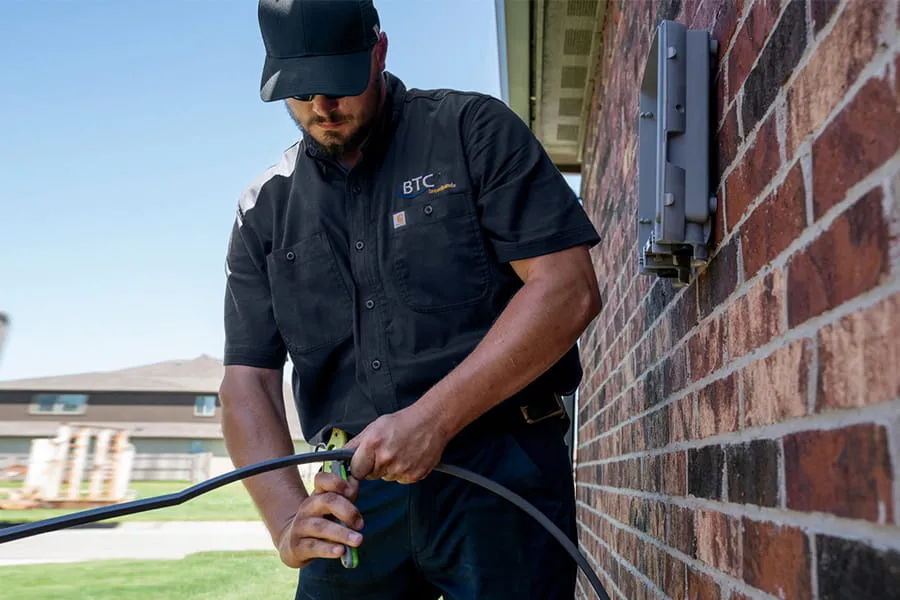
Similarly, temperature-controlled warehouses, cold storage facilities, and freezer units opt for insulated industrial work shirts to keep the workers warm in cold environments. Businesses should consider their industry’s specific demands when choosing different styles of work shirts.
- Fabric: Cotton/poly blends, cotton twill, and flame-resistant fabrics.
- Logo placement: Right chest, back, pocket flap, or sleeve.
Types of Work Shirts for Construction Workers
Construction sites expose workers to traffic, heavy machinery, harsh weather, and long hours under the sun. Each of these conditions calls for a specific kind of work shirt. Below are five types of work shirts built to keep construction workers safe, visible, and comfortable on the job.
High-Visibility Work Shirts
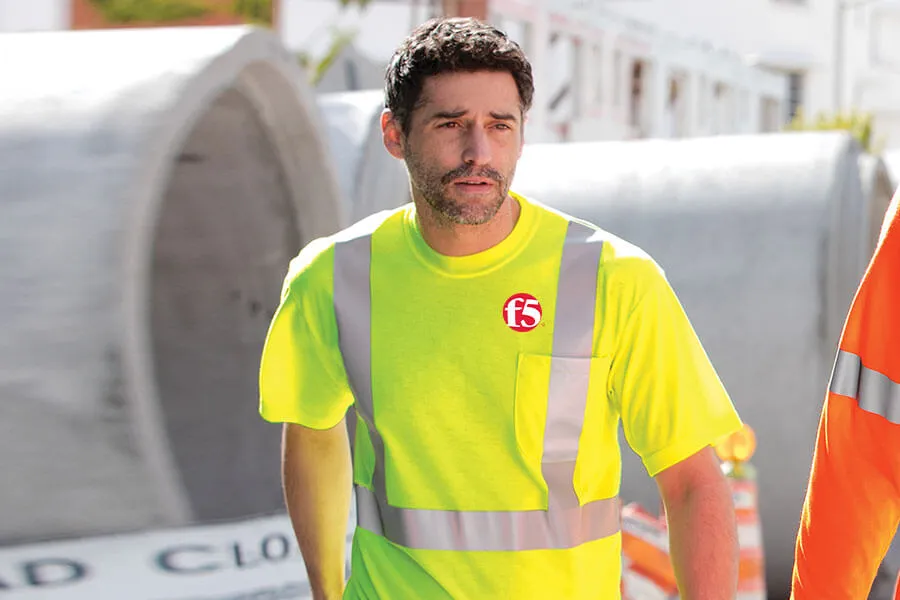
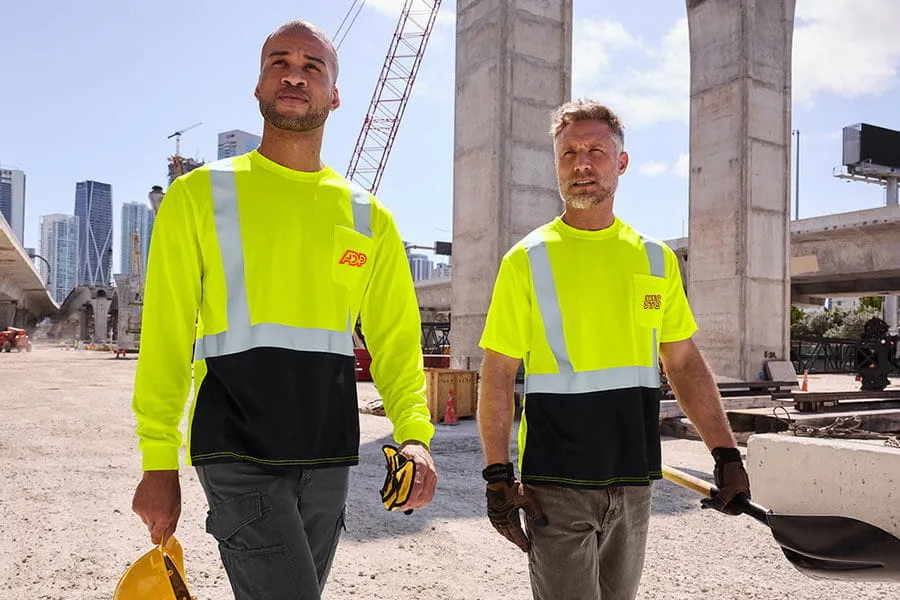
Construction businesses usually prefer high-visibility work shirts to improve safety and meet visibility requirements. They are professional work shirt types that use fluorescent colors to make the construction workers visible during the daytime.
Moreover, they have a retroreflective tape that reflects light at night and in low-light conditions. The bright colors and reflective strips of these construction work shirt types help workers stay visible to equipment operators and moving vehicles.
- Fabric: 100% Polyester or polyester blends, spandex, and mesh.
- Logo Placement: Left chest or upper back.
Reflective Work Shirts
Reflective shirts are the best types of work shirts for construction crews working at night or in areas with artificial lighting. These types of work shirts are designed to reflect the light to its source, which explains the ‘reflective’ in the name.
These construction work shirt types are made using glass beads, microprisms, or retroreflective tape that reflects the incoming light. This is what makes the workers easy to spot by nearby drivers and heavy machinery operators.
- Fabric: Cotton, polyester, mesh base material with glass beads, microprisms, or retroreflective tape.
- Logo Placement: Left chest or upper back.
Moisture-Wicking Work Shirts
Construction jobs involve heavy lifting, repetitive motions, and long hours in the heat. All of that physical labor leads to sweat buildup. This is why construction businesses look for work shirt types that can manage moisture effectively. That is exactly what the moisture-wicking work shirts offer by pulling sweat away from the skin. So workers stay dry and cool throughout the shift.
Most of the best types of moisture-wicking shirts also come with antimicrobial properties that resist bacterial growth. As a result, these kinds of work shirts help workers stay smelling fresh, and the shirt lasts longer.
- Fabric: Polyester and nylon.
- Logo Placement: Left chest or sleeves.
UV-Protection Work Shirts
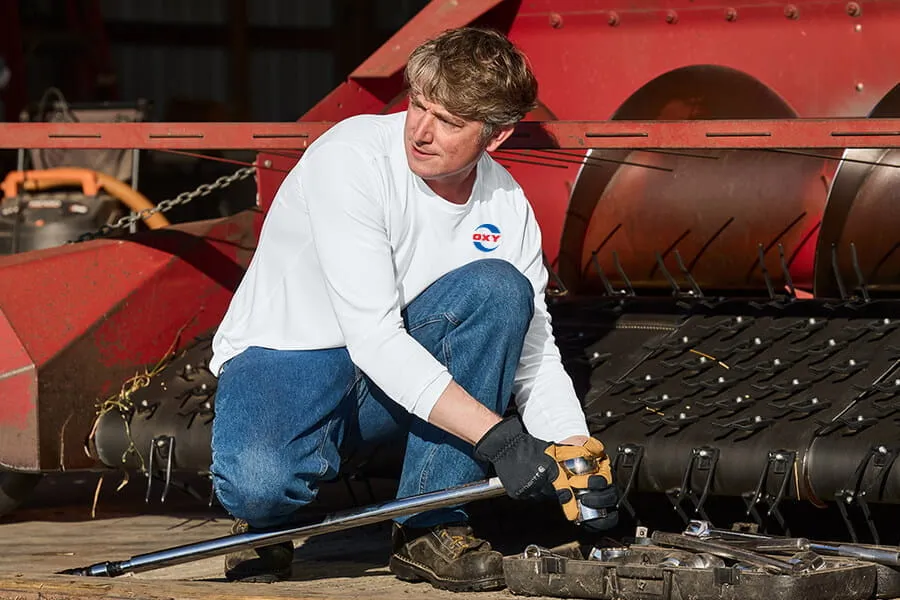
Construction businesses often choose types of work shirts with UV-protection properties for their crews. UV-protection work shirts shield workers from painful sunburns during long work shifts. These workwear shirt types also help crews maintain healthy skin and prevent premature skin aging.
- Fabric: Microfiber, spandex, cotton, and polyester.
- Logo Placement: Left chest or upper back.
Waterproof Work Shirts
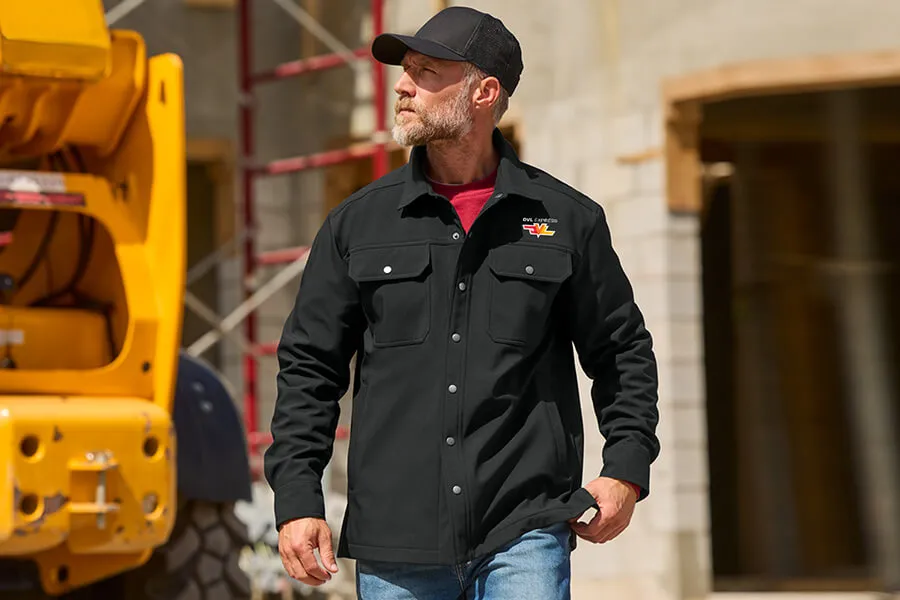
Businesses operating in heavy rain or wet job sites will need waterproof work shirts. They are construction work shirt types that are treated with water repellent features. The water will roll off the shirt and keep the crew dry during work shifts. Waterproof work shirts often come with snap closures and elastic sleeve cuffs that help seal out moisture. This allows businesses to keep crews more comfortable during rainy days.
- Fabric: Polyester, nylon, and reinforced canvas.
- Logo Placement: Left chest or back.
Types of Work Shirts for Mechanics
Mechanics deal with grease, heat, and tight spaces all day. The right work shirt needs practical features like chest pockets, snap closures, and fabrics that resist oil and wear. Here are five types of work shirts auto shops and repair businesses can consider.
Button-Front Mechanic Shirts
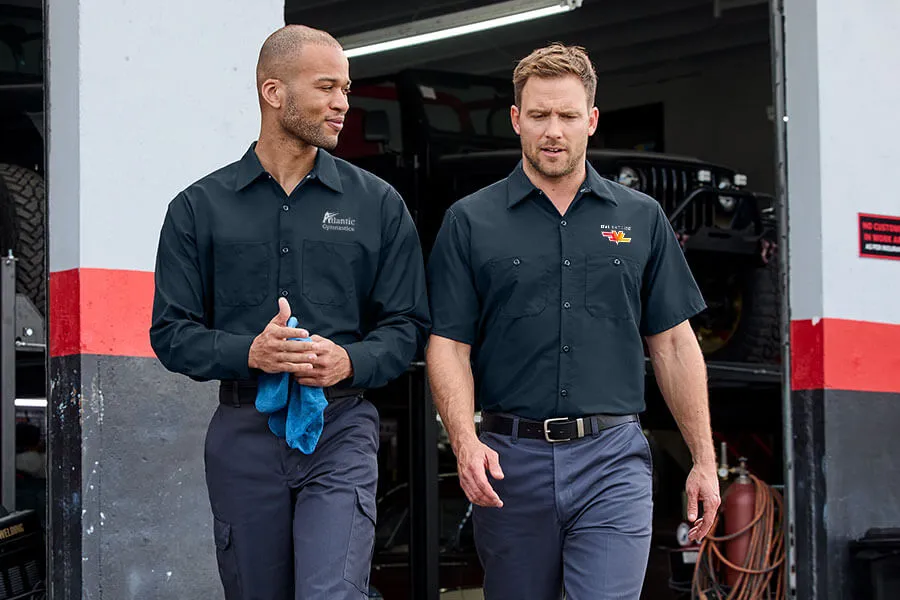
Mechanics usually wear button-front shirts that come with snap buttons. Auto shops and repair businesses often prefer these button-front shirts since snap buttons allow quick removal if gasoline or battery acid spills. Beyond safety, button-front is among the work shirt styles that let air pass through while mechanics work. By keeping mechanics safe and comfortable, button-front shirts help businesses create a better work environment. There will fewer safety concerns, fewer work interruptions, and better productivity.
- Fabric: Cotton/poly blends.
- Logo Placement: Back or left chest.
Oil-Resistant Work Shirts
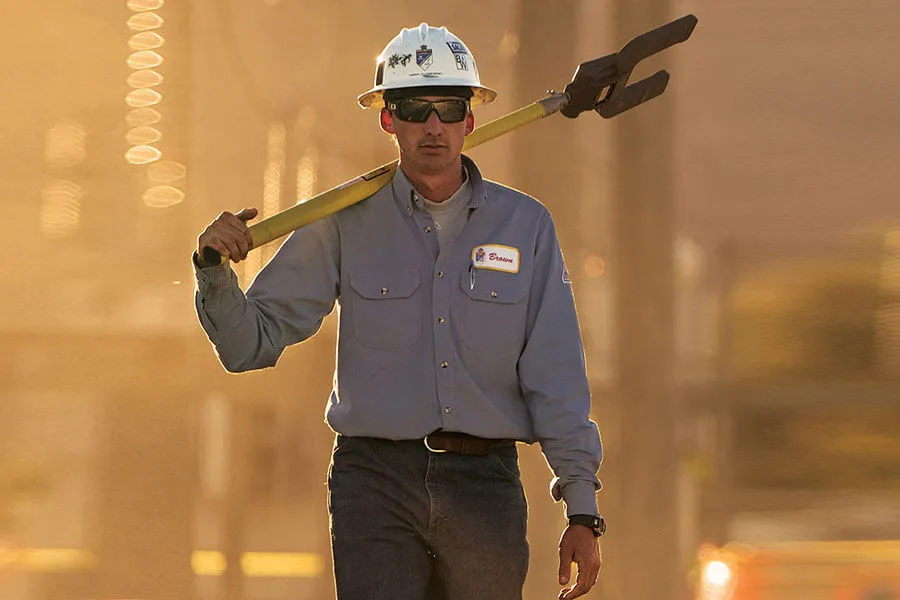
Mechanics work around oil and grease every day. Auto shops choose oil-resistant work shirts to prevent permanent stains and maintain a presentable appearance. These types of work shirts are made from durable fabrics such as poly-cotton blends, heavy-duty cotton, and nylon. They are treated with fluorochemical- or silicone-based finishes that prevent oil and grease from soaking into the fibers. It also extends the life of work uniforms by reducing stubborn stains from these substances.
- Fabric: Heavy-duty cotton, polyester, poly-cotton blends, and nylon treated with fluorochemicals or silicone finishes.
- Logo Placement: Sleeves or left chest.
Durable Twill Shirts
Mechanics work with car parts that can snag or tear fabric, so durability is an important factor when choosing different kinds of work shirts. That’s why auto and car repair shops choose twill work shirts for their crews. Twill fabric, with its tight weave, stands up to snags and abrasions better than standard materials. This makes twill shirts among the best types of work shirts, as they are heavy-duty, and hold their shape and structure even after repeated wear.
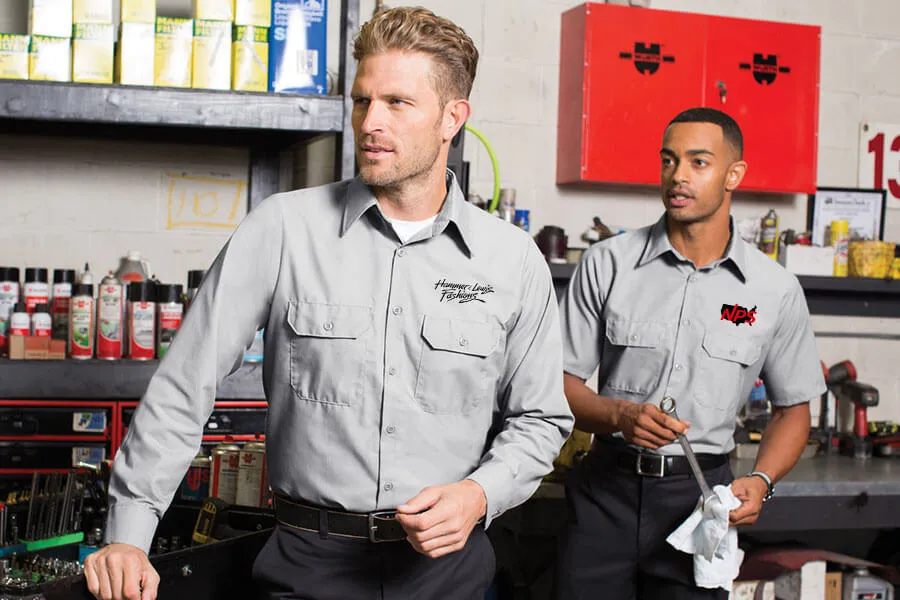
- Fabric: 100% cotton, cotton/poly blends, and polyester.
- Logo Placement: Left chest or a few inches below the back collar.
Performance Work Shirts
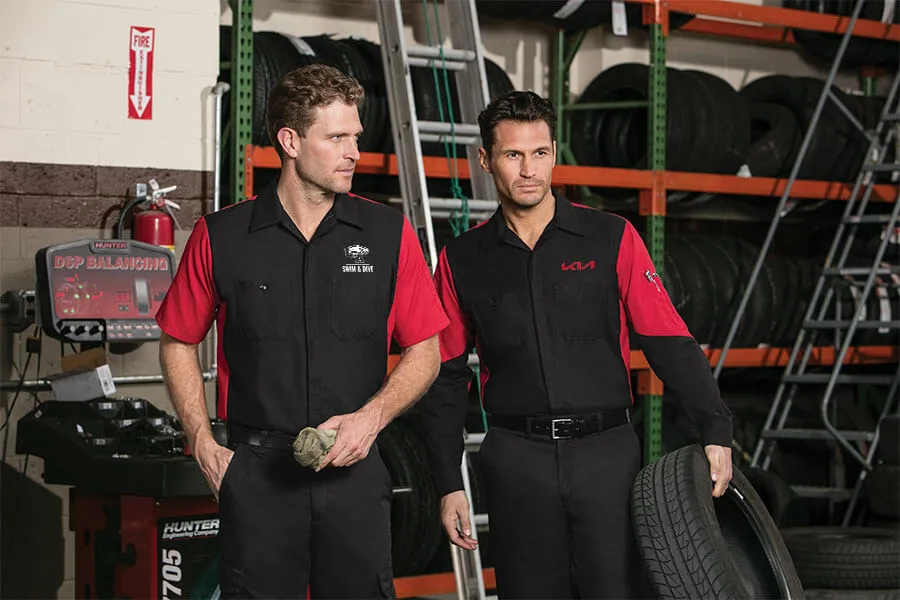
Performance work shirts are one of the common types of work shirts that auto shops prefer for their mechanics. They use lightweight and breathable fabrics, which mechanics need to stay cool during work. Mechanics also use performance work shirts to manage moisture buildup. Plus, these types of work shirts feature stretchy material which allows mechanics to work on vehicles without any restriction in movement.
- Fabric: Polyester, nylon, rayon, spandex, and fabric blends.
- Logo Placement: Full back and left chest.
Types of Work Shirts for Medical Staff
Medical staff work in high-pressure environments where hygiene and comfort are non-negotiable. For healthcare businesses, these four types of work shirts, or scrub tops, are designed to meet those demands.
Scrub Tops
Scrub tops are professional work shirt types that hospitals and clinics choose for their medical teams. Most importantly, they help support hygiene by reducing the spread of germs during patient care.
They also allow healthcare professionals to move comfortably between patients. Scrub tops usually come with short sleeves and V-necks for better ventilation. By letting air through, the doctors can perform medical procedures with ease.

- Fabric: Cotton, cotton/poly, and polyester-spandex.
- Logo Placement: Left chest. If the chest area has pockets, then sleeves are also a good choice.

Medical Underscrubs
Hospitals often include medical underscrubs in their uniforms. Medical underscrubs are practical types of work shirts for women who prefer additional coverage and less skin irritation under scrub tops. They are also worn by men to stay warm in air-conditioned rooms. Designed as a base layer, these types of work shirts do not bunch up under scrub tops. They also come with moisture-wicking properties to keep the healthcare workers dry during hectic shifts.
- Fabric: Cotton, polyester blends, bamboo, and spandex.
- Logo Placement: Left chest.
Antimicrobial Scrubs
Healthcare businesses can benefit from protective work shirt types that block bacterial growth, such as antimicrobial scrubs. These scrubs prevent bacteria, fungi, and viruses from growing on the fabric, which lowers the risk of patients and medical staff contracting infections. These work shirt types also control odor during long shifts and prevent premature fabric wear.

- Fabric: Fabric blends that are treated with antimicrobial agents.
- Logo Placement: Sleeve or left chest.
Stretch Scrub Tops
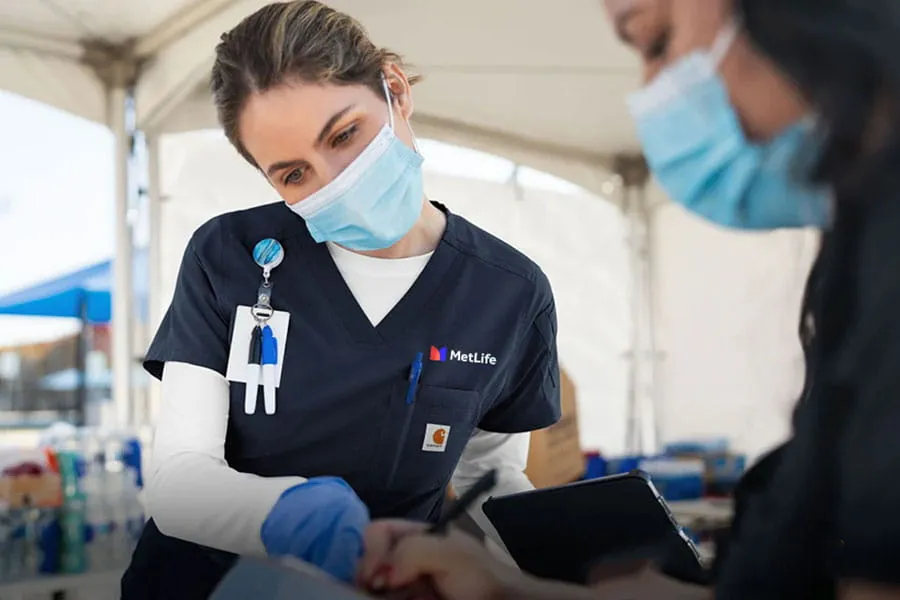
Many healthcare facilities prefer stretch scrub tops for their teams. The stretch comes from elastane and spandex blended into polyester or cotton fabrics for added flexibility. It allows medical workers to move freely without the shirt pulling or bunching up. These work uniform shirt types also give medical staff the freedom to easily bend, reach, and lift during shifts.
- Fabric: Polyester or nylon and spandex blend.
- Logo Placement: Left chest.
Types of Work Shirts for Hospitality and Food Service Workers
Hospitality and food service staff are the face of the business. Their uniforms need to look presentable and handle the demands of the job. That means surviving kitchen heat, accidental spills, and long shifts while staying comfortable. Here are 5 types of work shirts suited for the industry.
Chef Coats
Chef coats are the protective work shirt types used by restaurants and catering businesses. They are designed to keep the chef safe from kitchen hazards like heat and hot spills. A chef’s coat comes with long and short sleeves, so you can choose any based on your requirements. They typically have knotted plastic or metal buttons that are easy to undo. So, in the event of an accident involving fire, the chef can quickly take off the coat. They’re the types of work shirts that help restaurants maintain a safer kitchen environment.

- Fabric: Cotton or cotton-poly blends.
- Logo Placement: Left chest.
Server Work Shirts
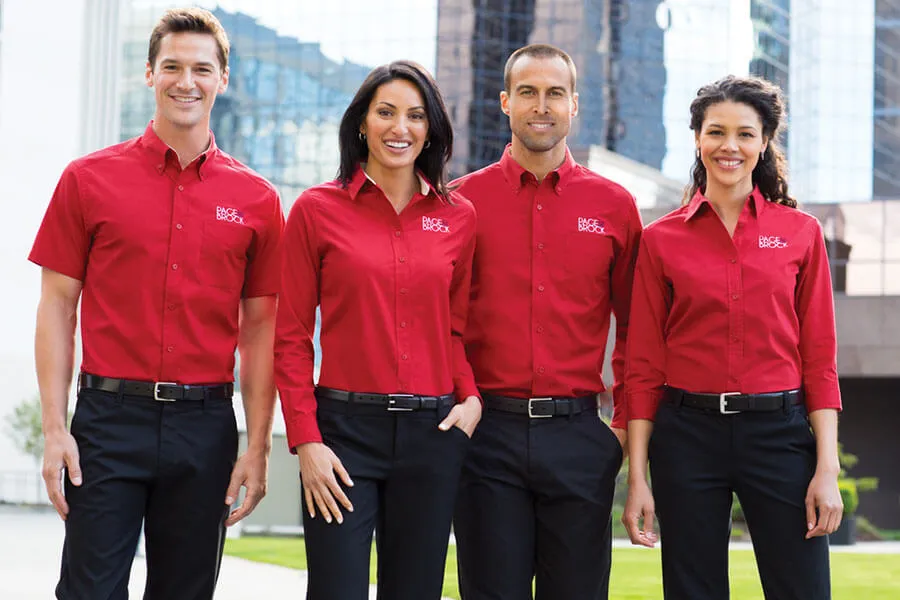
Server work shirts are made to match the aesthetics of different restaurants. For fine dining places, white button down shirts with black vests and pants create a formal look. They also help the workers blend in the background so the customers can focus on the food and atmosphere. At the same time, black and white shirts make it easy for customers to recognize the servers.
Similarly, casual restaurants can choose casual button-downs or t-shirts. They create a relaxed and approachable look that matches the dining experience. Casual server work shirts also keep staff comfortable during busy shifts.
Some places even choose blouses or similar types of work shirts for women, while men are typically dressed in collared shirts to maintain a consistent and professional appearance.
- Fabric: Cotton-poly blends.
- Logo Placement: Full back, upper back, or left chest.
Waitstaff Shirts
Waitstaff shirts are a common work shirt types for restaurant staff, usually made using polyester or cotton blends. This type includes polo shirts, button downs, or shirts made with moisture-wicking and stretch features.
The flexible and comfortable fabrics keep waitstaff at ease during long shifts on their feet. Some waitstaff shirts have pockets so the team can have a place to store pens, note pads, and phones. Restaurants also choose these hotel staff work shirts types because they hold up well to frequent washing.
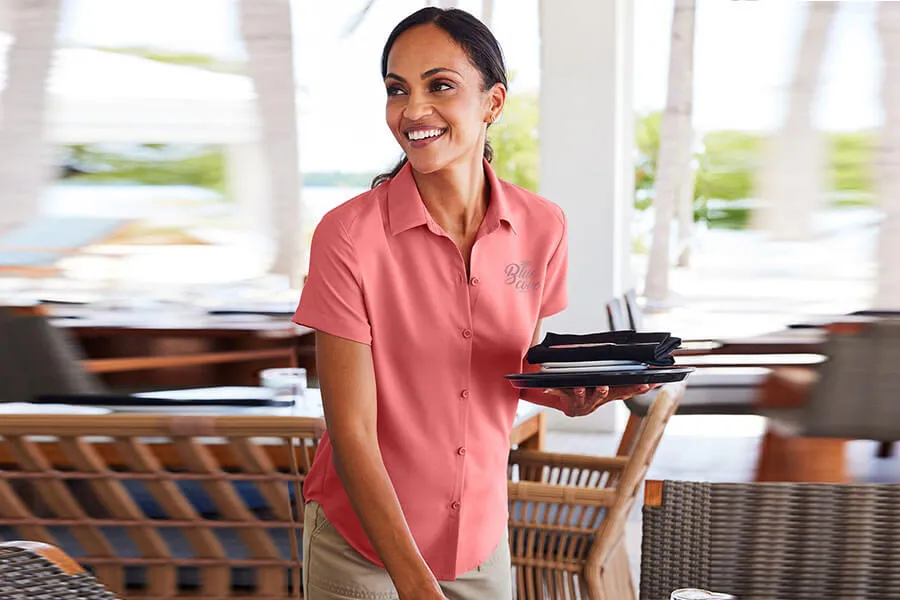
Hospitality businesses can customize waitstaff shirts to improve brand visibility. It will also make it easier for customers to recognize the waitsaff in busy dining areas.
- Fabric: Poly cotton blends, pique cotton, cotton, polyester, rayon, spandex/rayon blended with cotton or polyester.
- Logo Placement: Full back, sleeve, or left chest.
Stain-Resistant Work Shirts
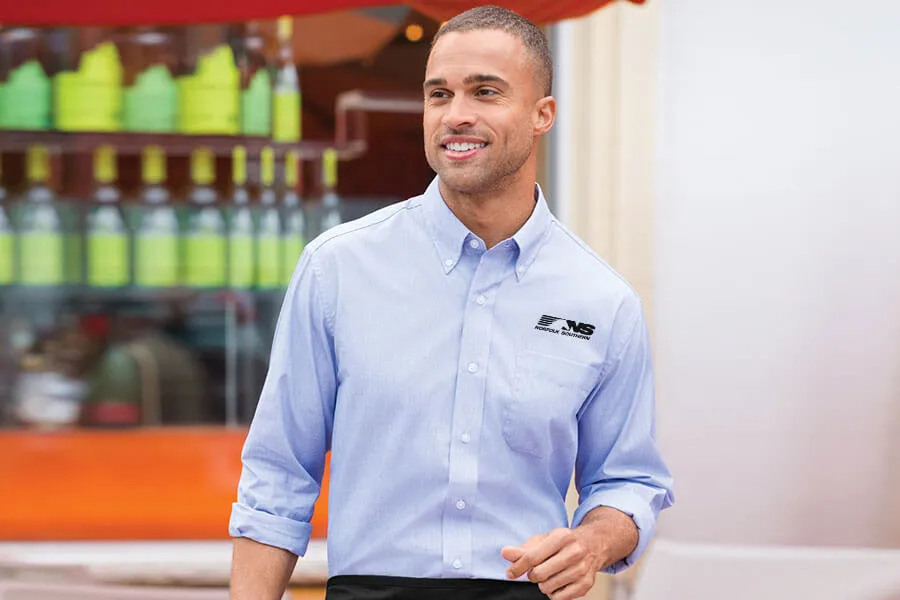
Stain-proof and stain-resistant shirts use advanced hydrophobic fabrics that repel liquids like coffee, wine, and ketchup. Liquids bead up on the surface and roll off without penetrating the weave, which helps protect the work shirt from accidental spills. By wearing a stain resistant shirt, the staff will look clean and presentable. It leaves a good impression of the hotel and its staff on the customers. These shirts also resist harsh discoloration from food and industrial soiling so businesses save money on frequent uniform replacements.
- Fabric: Polyester blends like poly-cotton or poly-twill that are treated with liquid repellents.
- Logo Placement: Left chest or full back.
Front-of-House Shirts
Front of house shirts include hotel staff work shirts types that hospitality and service staff wear. Options such as button–down shirts and vests are popular for fine dining places that prefer formal attire. Meanwhile, bars and cafes might opt for button-ups, t-shirts, or polo shirts for their staff. They’re the types of work shirts that come in breathable fabrics to keep the servers dry. Hotel staff also find it easy to move in front-of-house shirts.

- Fabric: Cotton-blends and stretch fabrics.
- Logo Placement: Left chest.
Types of Work Shirts for Cleaning Services
Cleaning staff deal with chemicals, physical demands, and long hours on their feet. The types of work shirts for cleaning staff need to handle chemical exposure, sweat buildup, and constant movement. All in a single shift. Here are three work shirts built for cleaning service companies.

Janitorial Work Shirts
Cleaning businesses choose work shirts for men and women that can take on repeated exposure to cleaning chemicals and disinfectants. These shirts act as a barrier, keeping janitors safe from hazardous substances they come across on the job. Janitorial work shirts usually have durable stitching that stays intact for years so the business can save on replacement costs. They also use fade-resistant dyes that keep cleaning teams looking professional.
- Fabric: Poly-cotton blends, and 100% polyester, usually treated for stain-resistance.
- Logo Placement: Full back and left chest.
Cleaning Tunics
Cleaning tunics are types of work shirts for women made from cotton, polyester, linen, or poly-cotton blends. Some styles feature soil-release and liquid-repellent finishes to help resist spills, food stains, cleaning chemicals, grease, and everyday dirt. These styles of work shirts also come with pockets so the housekeeper can carry cleaning cloths, gloves, pens, or small tools.

These types of work shirts for cleaning staff are ideal for cleaning companies, hotels, healthcare facilities, schools, and care homes. In these workplaces, staff need durable and presentable uniforms for daily cleaning and housekeeping tasks.
- Fabric: Polyester, cotton, linen, and poly-cotton blends.
- Logo Placement: Left chest or center back.
Types of Work Shirts by Work Environment
Not all work environments are the same, and neither are the shirts that work best in them. Heat, cold, and rain each call for a different approach. Here are three types of work shirts for different weather conditions.
Hot Weather Work Shirts
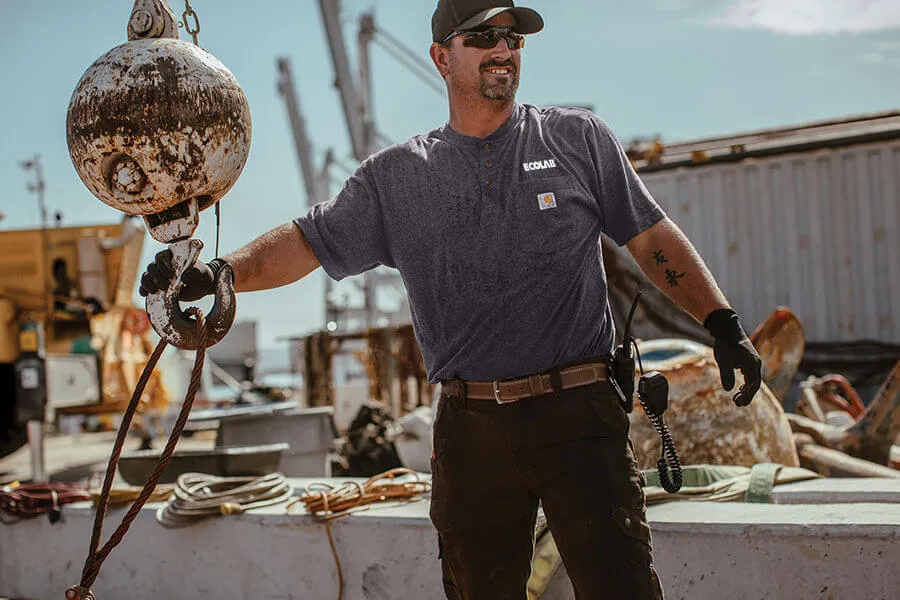
Working in hot conditions can result in excessive sweating and heat fatigue. That is why companies should look for moisture-wicking and breathable types of work shirts for men and women on their team. A shirt that manages moisture and allows airflow goes a long way in keeping workers comfortable and productive through long, hot shifts. Landscaping companies, gardening services, delivery businesses, and retail businesses are among those who benefit most from lightweight shirts for hot weather. It helps employees stay dry while lifting, bending, walking, and working outdoors without heavy, sweat-soaked clothing slowing them down.
- Fabric: Lightweight cotton, cotton blends, linen or linen blends, and performance synthetics.
- Logo Placement: Full back, upper back, or left chest.
Cold Weather Work Shirts
Outdoor businesses, such as construction, landscaping, and utility companies, often need different types of work shirts for colder climates. Thermal shirts retain body heat to keep the wearer warm. Employees can wear thermal shirts a standalone or under jackets to provide an extra layer of warmth.
For heavy snow or freezing temperatures, insulated work shirts provide extra warmth. They trap warm air close to the body to help employees stay warm and comfortable during outdoor work. Many also include wind-resistant features to help block cold air and reduce heat loss.

These shirts help protect employees working in extreme cold, which can increase the risk of cold-related injuries such as frostbite
- Fabrics: Twill, wool, cotton, flannel, polyester fleece, corduroy, and nylon.
- Logo Placement: Upper back and left chest
Rainy Weather Work Shirts
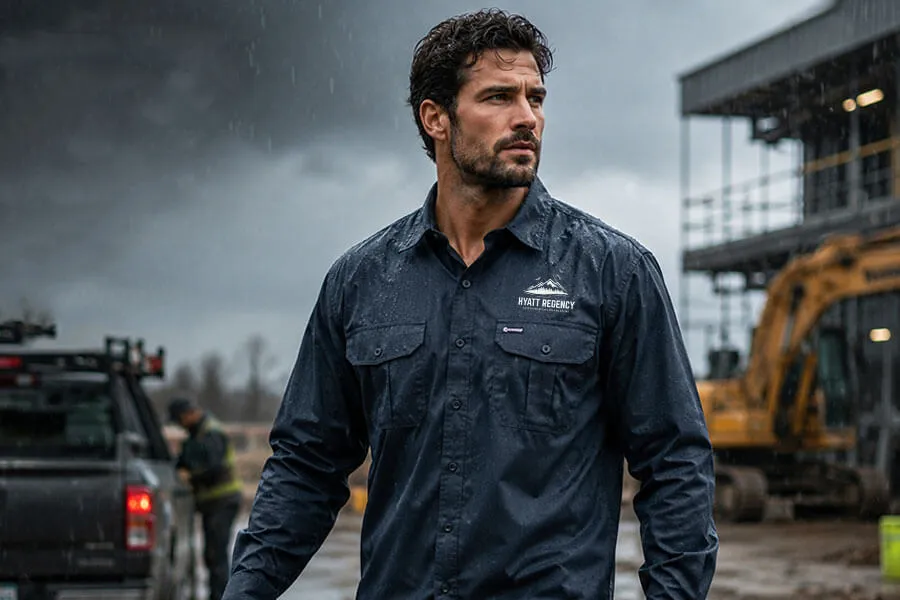
The most common types of work shirts for rainy weather are waterproof shirts. They keep the workers dry, warm, and visible. The waterproof shirts are usually available in high-visibility colors with reflective tapes that make it easy to spot workers in rainy conditions. They also feature taped seams and snap-down covers to keep the water from getting in. Emergency services, utility companies, and municipal departments rely on these kinds of work shirts to keep employees protected and focused in rainy condition.
- Fabrics: Nylon, canvas, and polyester.
- Logo Placement: Back or left chest.

Best Fabrics Used in Different Types of Work Shirts
The different types of work shirts use different fabrics. So, choosing the right one depends on the industry, working conditions, and the demands of the role.
- Cotton is great for workplaces that require breathable workwear, but it tends to fade with repeated washing. Cotton work shirts work well for landscaping businesses, auto repair shops, and restaurants.
- Polyester resists color fading, stretching, shrinking, and wrinkling. It also has quick drying properties, so it is suitable for construction companies, restaurants, and cleaning businesses.
- Poly-cotton blends are used in many types of work shirts, combining cotton’s breathability with polyester’s durability and wrinkle resistance. This makes them a practical choice for auto repair shops, hospitality businesses, and cleaning companies who need a shirt that holds up and stays comfortable.
- Nylon is the ideal fabric for workers in humid and wet conditions, as it manages moisture from sweat and rain. This makes it a solid choice for athletes and anyone who needs work shirts that dry quickly.
Comparison Table of Different Types of Work Shirts
Below we mentioned all important types of work shirts we recommend for your business in 2026.
| Category | Recommended Work Shirt Types | Common Industries / Jobs |
|---|---|---|
| Industrial | Heavy-duty work shirts | Manufacturing, factory workers, warehouses, welders, electricians |
| Construction | High-visibility work shirts, reflective work shirts | Construction, road work, contractors |
| Mechanics | Oil-resistant shirts, button-front shirts with snap buttons | Auto and repair shops, mechanics, maintenance technicians |
| Medical | Stretch scrub tops, antimicrobial scrub tops | Hospitals, clinics, dental offices, laboratories, veterinary clinics |
| Hospitality Businesses | Waitstaff shirts, stain-resistant shirts, chef coats | Restaurants, hotels, cafés, catering businesses, food service |
| Cleaning Services | Janitorial work shirts | Janitorial services, commercial cleaning, housekeeping, facility maintenance |