

When it comes to choosing a hoodie, the fabric you opt for can significantly impact your comfort. Finding the softest hoodie material is the key if you’re looking for something cozy yet durable, and want to stay comfortable throughout the wear. The quest for the best material for hoodies leads us to explore various options, assuring you find the ideal blend of softness, comfort, and style.
Let’s examine the softest material for hoodies in this comprehensive guide, and learn about their unique characteristics and ways to customize them.
Do You Know?
The softest materials for hoodies include bamboo-derived fabrics, modal, high-quality cotton (like Pima or Egyptian cotton), and certain types of fleece (like brushed fleece or Sherpa fleece). These fabrics offer luxurious comfort, breathability, warmth, and moisture-wicking properties. Consider comfort and durability when choosing the softest hoodie material for the best experience.
The Importance of Choosing the Right Hoodie Fabrics
Choosing the right hoodie fabric is important as it directly impacts both comfort and functionality. Different fabrics offer varying levels of insulation and breathability, and are suitable to wear for different weather conditions.

Durability is another key factor when choosing a hoodie. It assures your hoodie maintains its shape and color over time. Fabrics like cotton, bamboo, and certain fleece types are known for their durability and resistance to wear. Considering moisture-wicking properties is also important for staying dry and cool if you are wearing your hoodie during outdoor activities or in milder weather.
Lastly, the choice of fabric can also reflect personal style preferences and environmental values. With options like organic cotton or sustainable materials, you can support eco-friendly practices enjoying high-quality, comfortable clothing.
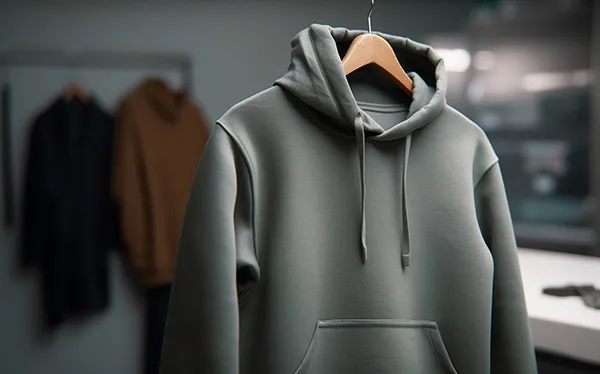
Hoodie Material Types: Which One is Right for You?
Choosing the right types of sweatshirt material depends solely on your personal demands and lifestyle. For example, cotton hoodies are a popular choice for their softness and breathability, while fleece hoodies are a commonly worn during colder climates as it keeps you exceptionally warm.
Let’s discuss in detail about each type of hoodie fabrics and learn about their pros and cons!
Cotton
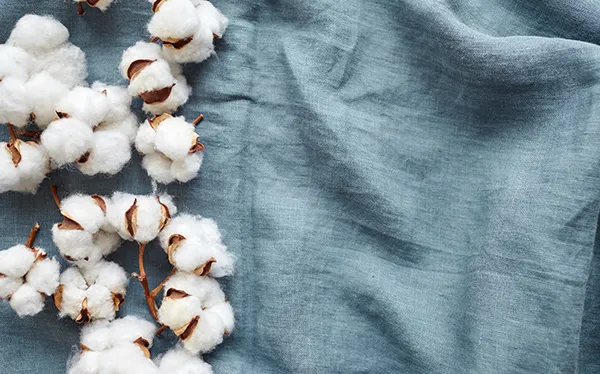
Cotton is the softest material for hoodies. It is a natural fiber with a high absorption capacity. Most people use this fabric in the manufacturing of athletic wear as it is known for its breathability. It is also used with polyester and other materials to create blends that are durable, moisture-wicking, and comfortable.
Pros
- Comfortable to wear in several temperatures
- Easy to customize with prints and designs
- Biodegradable and eco-friendly
- Suitable for sensitive skin
Cons
- Prone to shrinking if not pre-shrunk
- Can wrinkle easily
Fleece
Due to the loose knitting, fleece is an excellent fabric for hoodie. This hoodie material is incredibly absorbent, smooth, and soft to touch. Fleece is made from eco-friendly materials, such as plastic that has undergone polyester conversion. That means you’re helping to save the environment when choosing this fabric!
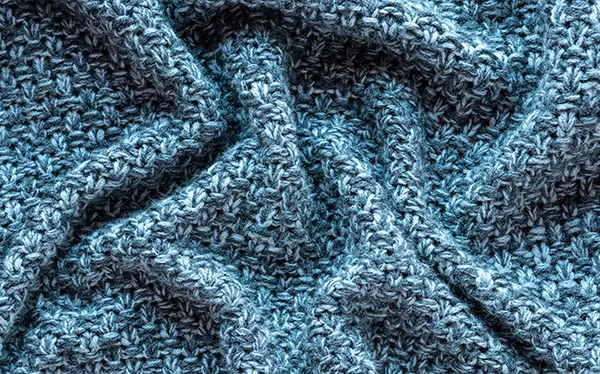
Fleece hoodies and jackets are favored for their ability to provide insulation without being bulky, making them ideal for layering in cold weather. Additionally, fleece is easy to care for. It is machine washable and quick-drying, retaining its soft texture and vibrant colors over time. Its durability and resistance to pilling make hoodies long-lasting favorites for casual wear, outdoor adventures, and athletic pursuits.
Pros
- Exceptionally warm
- Comfortable and light in weight
- Ideal for both outdoor and casual wear
- Dries up fast
Cons:
- It eventually pills or sheds
- Non-breathable
Jersey Knit
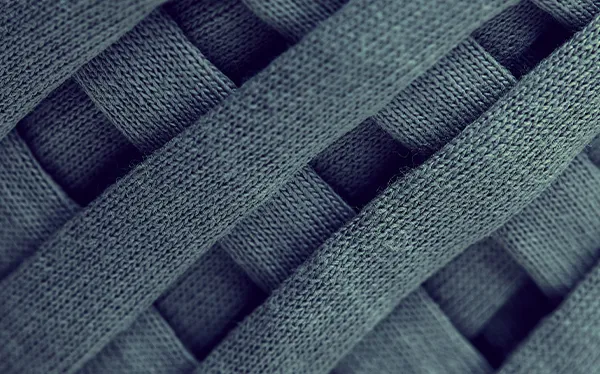
Jersey knit fabric, also known as stretchy knit fabric is composed of cotton, wool, or synthetic materials like polyester. For activewear, a single-knit jersey is an ideal lightweight fabric. The knitting density determines how firm the fabric is; the higher the density, the stiffer the cloth. Cotton jerseys are excellent and softest materials for hoodies because they are warm, comfortable, and have enough thickness to maintain their shape.
Pros
- It looks expensive and drapes nicely
- Suitable for warm climates
- Good absorption of moisture
Cons:
- Can be wrinkled easily
- Non-breathable
- Prone to pilling
Tri-blends
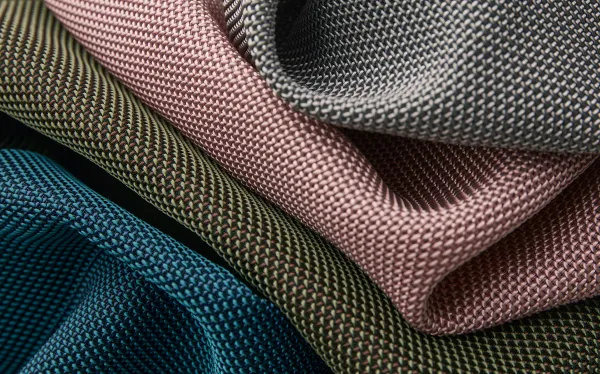
Hoodies made with a tri-blend material are incredibly soft. The addition of polyester and rayon gives them an additional layer of softness and make them easy to stretch.
Tri-blends are slightly lighter than other blends. So, if you are searching for lightweight hoodies for milder climates, tri blend sweatshirts and hoodies are the perfect choice!
Pros
- Moisture-Wicking
- Durable
- Retains Shape
- Stylish Appearance
Cons
- Requires Special Care
- May Wrinkle Easily
- Sensitive to Heat
Nylon
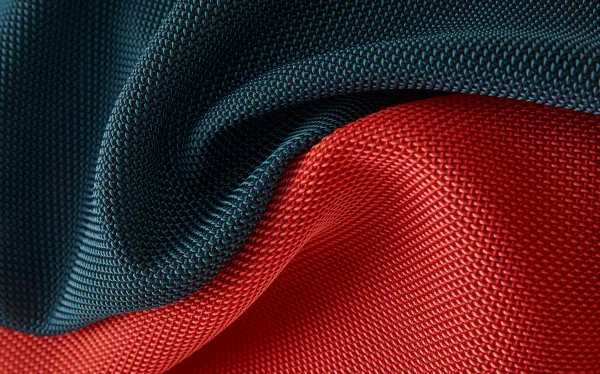
Another synthetic material for hoodies that is strong, breathable, and long-lasting is nylon. The fabric provides good resistance against the chilly winter winds. It also features excellent water penetration properties, making the nylon fabric ideal for rainy conditions. However, nylon is slightly non-breathable as compared to cotton and polyester.
Sweatshirts and hoodies intended for casual or party wear are commonly made of nylon fabric. It is the ideal fabric type for you if you’re looking for a shiny material with a nice fall.
Pros:
- Incredibly warm
- Comfortable and light in weight
- Ideal for both outdoor and casual wear
- Dries up quickly
Cons:
- Non-breathable
Sweatshirt Knit
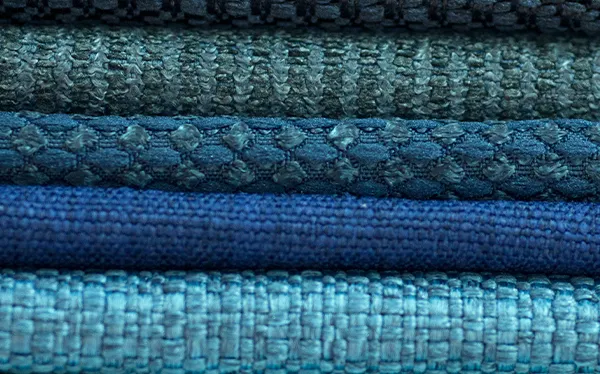
Sweatshirt knit fabric is one of the most common types of hoodie fabrics. Most sweatshirt knits are made of cotton, however some are also made of poly, rayon and spandex blends. Due to the knit fabric, it is easy to stretch, and offers a roomy and loose-fitting.
Pros
- It looks expensive and drapes nicely
- Suitable for warm climates
- Good absorption of moisture
- For further advantages, it can be combined with different fabrics
Cons
- Prone to wrinkles
Best and Softest Material for Hoodies: Choosing the Perfect Fabric
Hoodies are beloved for their comfort, versatility, and style, making them a must-have in your casual wardrobe. When selecting the softest material for hoodies, understanding the different fabric options available is crucial.
Consider the Fabric Blend
The entire feel, performance, and longevity of the hoodies are largely determined by the fabric composition. The following fabric blends are frequently seen in hoodies:
- Cotton: This natural fiber is renowned for its breathability. It is great for daily wear because it is comfortable and soft to the skin. But after washing, pure cotton hoodies could shrink a little.
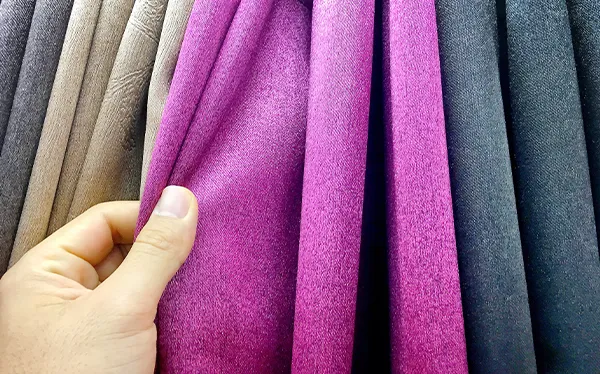
- Polyester: Hoodies are made more durable and wrinkle-resistant with the use of this synthetic material. In order to improve the hoodies shape retention and lessen shrinkage, it is frequently combined with cotton. Polyester is appropriate for active wear because it also aids in moisture wicking.
- Blend Combinations: Many hoodies are made from a blend of materials to combine the advantages of different fibers. For example, a cotton-polyester blend offers the softness of cotton with the durability and moisture-wicking properties of polyester.
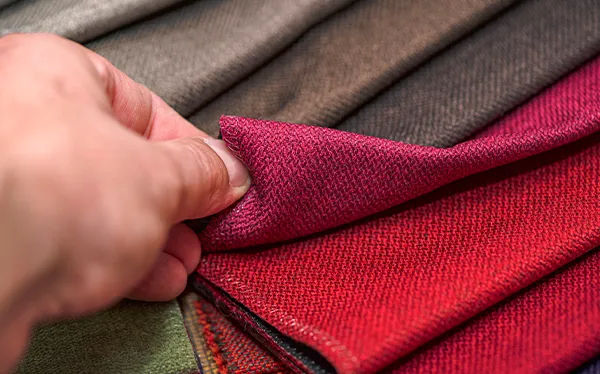
Choose the weight and thickness based on your climate and intended use of the hoodies.
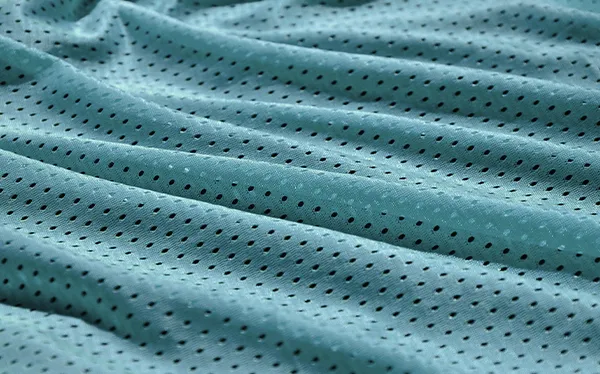
Assess Breathability and Moisture Wicking Ability
Assessing breathability and moisture-wicking ability in clothing is crucial during activities, as they’ll keep you cool, comfortable and focused. Breathable fabrics allow airflow, regulating body temperature, while moisture-wicking materials manage sweat, keeping you dry and comfortable. This combination is essential for maintaining optimal performance and comfort during physical pursuits.
Consider the aforementioned factors based on your lifestyle and climate preferences.
Check for Durability
People wear hoodies a lot. Therefore, it is important to make sure the fabric is durable enough to resist fading and last long. A good hoodie fabric must be able to withstand frequent wear and washing.

To assure the durability of your hoodies, look out for the following key features.
- Look for reinforced stitching around seams and high-stress areas to prevent tearing.
- Polyester blends offer increased durability and shape retention compared to pure cotton.
- Read reviews or check manufacturer information for insights into the hoodie long-term durability.
Read Washing and Care Instructions
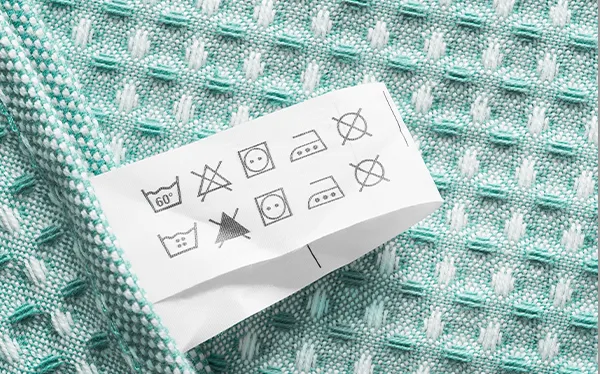
Check the washing instructions on the label for recommended water temperature, detergent type, and drying methods. Some fabrics may require special care, such as avoiding high heat when drying to prevent shrinkage or damage. Follow the care instructions to maintain the fabric’s quality and color vibrancy.
By considering these factors, fabric blend, weight, breathability, durability, and care instructions; you can choose a hoodie that not only looks great but also meets your comfort and performance demands. Whether you prefer a lightweight cotton hoodie for spring or a moisture-wicking polyester blend for active pursuits, finding the perfect fabric assures your hoodie becomes a favorite wardrobe apparel.
What are Sweatshirts Made Of?
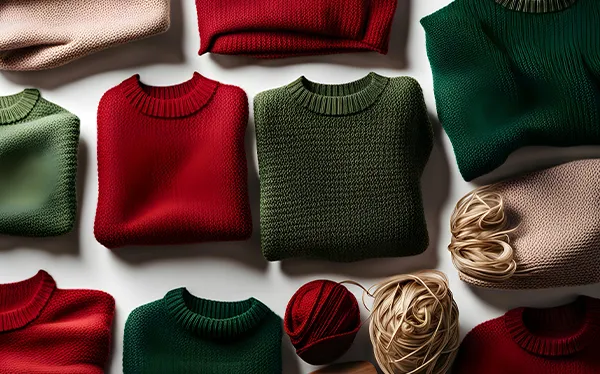
Sweatshirts are often made from soft, comfortable fabrics that keep you warm, such as cotton, fleece, wool, polyester, and French terry. The quality of the fabric can be important, as high-quality sweatshirts are often made from 100% cotton, fleece, or French terry or cotton and polyester blend.