

Are you new to Search Engine Optimization (SEO)? You’ve probably heard that SEO helps increase your website’s traffic and rankings on search engines; but exactly what is SEO, and how does it work? Don’t worry! We’re here to break it down and guide you through the basics of SEO. Understanding SEO fundamentals will allow you to use it effectively to drive more traffic and generate quality leads for your business.
In this blog, we’ll discuss what is SEO in detail, explain how it works, and highlight its key role in growing your online presence. You’ll also see how AI plays a part in modern SEO strategies. Once you grasp these fundamentals, you’ll know exactly about SEO and to improve your website’s visibility, attract the right audience, and boost your business. So, let’s get started and see what is search engine optimization!
What Is SEO? How It Works?

Let’s start with an important question: what is SEO?
SEO, or Search Engine Optimization, is the process of improving your website so it ranks higher in search engine results. The goal of SEO is to drive free, organic traffic to your website by appearing in natural search results. The higher your website ranks on search engine results pages (SERPs), the more visible it becomes to potential visitors. This can lead to more traffic, more leads, and more opportunities for growth.
Do You Know?
➣ 70% of marketers believe SEO is more effective than paid search ads for driving traffic.
➣ 41% of B2B marketers report SEO as their most effective strategy for increasing ROI.
➣ SEO leads have a 14.6% close rate, significantly higher than traditional outbound methods, which have a close rate of just 1.7%.
It is important to understand that ranking high in search engines is not an overnight achievement. It requires ongoing effort, including optimizing your website’s content, structure, and performance. Once you know about SEO, you can use it to improve your website’s visibility and attract more visitors.
In simple terms definition of SEO is,
SEO helps search engines and users find your content, ultimately increasing your online presence and traffic to your site.


History of SEO

We all know today; SEO is a crucial component of any online strategy. But what is SEO for a website, and how did it come to be? The history of SEO for websites dates back to the early days of the internet.
Early Beginnings of SEO
SEO started in the mid-1990s with the launch of the first search engines. These search engines used simple algorithms to rank websites based on their content and relevance. This was the foundation about SEO for websites, setting the stage for what would become an essential digital marketing tool.
The Rise of SEO in the Late 1990s and Early 2000s
As the internet expanded, businesses realized the need for a strong online presence. SEO became a popular strategy to improve website rankings. Early SEO techniques were simple, focusing on tactics like keyword stuffing, meta tags, and link building.
Major Changes with Google’s Algorithms
In 2005, Google’s Panda algorithm was introduced to target low-quality content and keyword stuffing. It shifted the focus toward creating relevant, valuable, and result-driven content. In 2011, the Penguin update further changed algorithms about SEO by targeting manipulative link-building tactics. These updates show the importance of creating natural links through quality content.
The Evolution of SEO Today
Today, SEO is a more complex field, involving a deep understanding of search engine algorithms, user behavior, and content marketing. With the rise of new technologies like voice search, AI, and machine learning, SEO continues to evolve. Staying updated with these changes is crucial to maintaining a strong online presence and ranking high on search engine
How Search Engines Work?
To understand what is SEO, it’s important to first know how search engines work. Search engines like Google use tools called crawlers, spiders, or bots to explore the internet. These crawlers gather information from websites and store it in databases called “indexes.” The goal is to help search engines understand what each page is about, so they can show the most relevant results to users.
Crawling and Indexing
Crawlers start from a known webpage and follow links to discover other pages. For example, if a page on ApparelnBags about clothing links to pages about jackets, hiking boots, and t-shirts, Google will follow those links to gather information. Similarly, if the page links to an article on The Guardian about fast fashion, Google can follow that link to discover and index it as well.
As Google crawls a page, it looks at both the content of the page and the links on that page to understand what the page is about. These links give Google context about how this page fits with other pages on the web.
Understanding Relevance
For instance, if a page about ApparelnBags used outerwear clothing links to The Guardian’s article on fast fashion, Google might understand that there’s a connection between fast fashion issues and buying used clothing. These connections help search engines like Google determine which pages are relevant for different searches.
Ranking Content
The more links a page has pointing to it, the more confident a search engine becomes that the page is valuable. This can help the page rank higher when people search for related topics. SEO for websites works to assure that content is linked and structured in a way that helps search engines see its relevance.
Algorithm Updates and Their Impact
Search engines constantly update their algorithms to improve the quality and relevance of search results. These updates can significantly affect your website’s rankings and traffic. Here are some key updates and how they have shaped what is SEO today:
- Panda (2011): The Panda update focused on low-quality content and keyword stuffing. Websites with thin or duplicate content saw a drop in rankings. This update pushed SEO experts to focus on creating high-quality and original content. SEO became more about content quality than keyword quantity.
- Penguin (2011): Penguin targeted link spam and unnatural link-building tactics. Websites with suspicious link profiles experienced ranking drops. This update stressed the importance of earning natural, high-quality backlinks, making SEO about building trust and credibility with search engines.
- Hummingbird (2013): Hummingbird improved search results for long-tail keywords and natural language queries. It allowed Google to better understand the context and intent behind search queries. Websites with relevant and high-quality content saw better rankings, marking a shift in what is SEO for websites to include better user intent understanding.
- RankBrain (2015): RankBrain introduced machine learning to search algorithms. This update about SEO helped Google understand complex queries and adjust search results accordingly. Websites with strong user engagement and high-quality content benefited, showing that SEO now required more than just technical optimization.
- BERT (2018): BERT enhanced Google’s ability to understand natural language and context. This update improved search results for conversational queries, rewarding websites with well-written and contextually relevant content. This marked a further shift in SEO, focusing on SEO content that truly speaks to the user’s requirements.
- Helpful Content Update (HCU) (2022): HCU focused on rewarding websites that provide valuable and user-focused content. It aimed to demote sites with content created primarily for ranking rather than helping users. The update focused on creating content that prioritizes the audience, highlighting the importance of SEO for websites being people-first.
These algorithm updates highlight the requirements for high-quality and relevant content and getting natural links. Adapting to these changes about SEO and staying informed about them is crucial for improving and maintaining your website’s search rankings.
What Are The Main Goals of SEO?
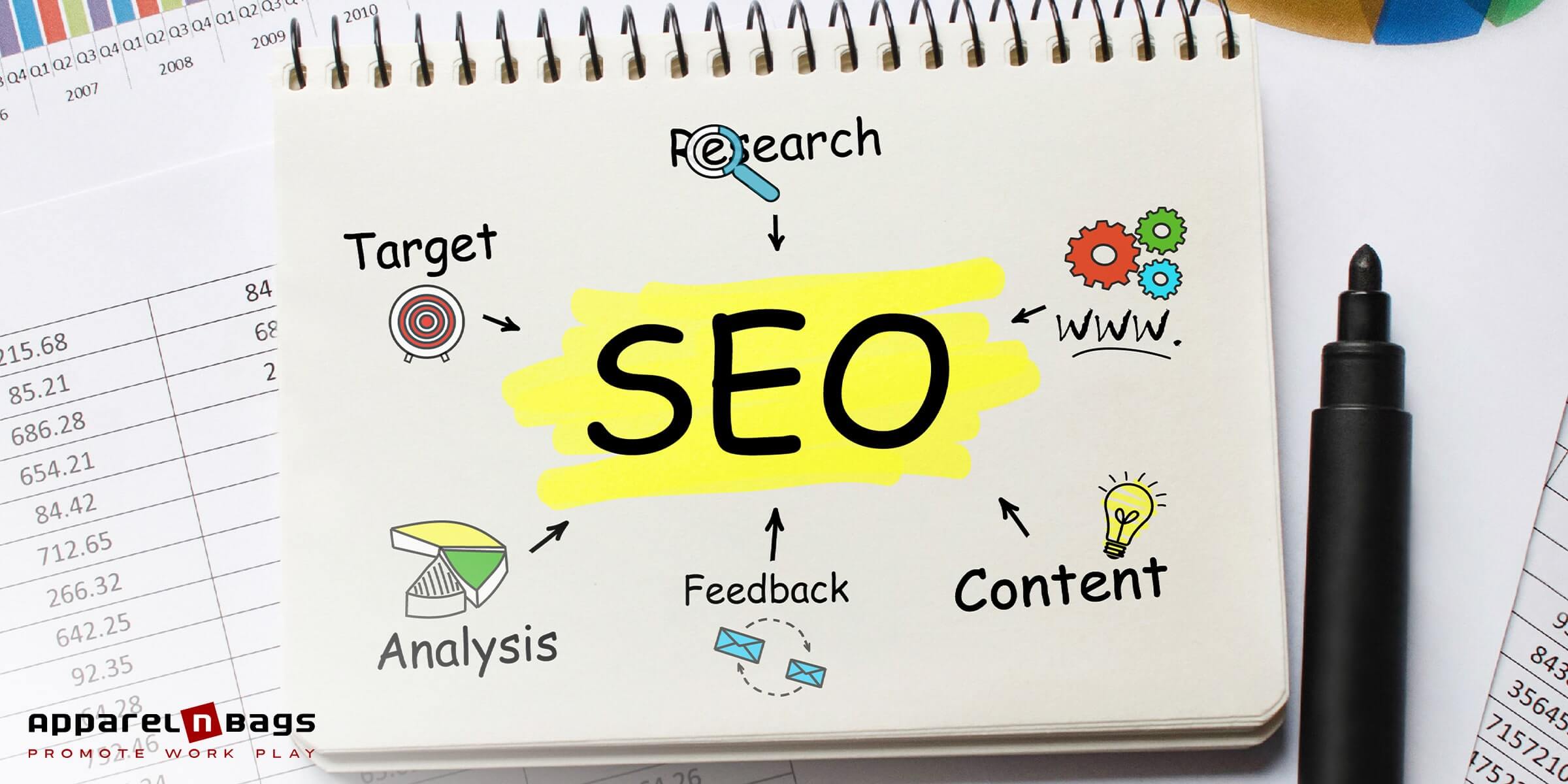
SEO is important because it helps websites show up in search engine results. Search engines like Google and Bing have their own ways of selecting and displaying content when someone types a question or keyword in the search bar.
For example, if you search “what are the best hiking trails in Washington state?” Google will provide a range of different types of results. Let’s discuss what are the main goals of SEO:
Increase Organic Traffic
The main goal of SEO is to increase organic traffic to your website. By optimizing your content and improving your search engine rankings, you can attract more visitors from search engines. Higher organic traffic means more potential customers, which can lead to greater business opportunities. Focusing on what is SEO will help your site rank better and bring in more relevant traffic.
Improve Search Engine Rankings
Another goal of SEO is to improve your website’s search engine rankings. When your site ranks higher in search results, it becomes more visible to users searching for related information. This boosts your chances of getting noticed and clicked on. Learning about SEO will give you insights into techniques that help achieve higher rankings and attract more traffic.
Enhance User Experience
Good SEO practices improve the user experience on your website. A well-structured site with easy navigation encourages visitors to stay longer and explore more. SEO boosts loading speed, mobile compatibility, and overall design, which all lead to higher engagement. Optimizing SEO for websites makes it easier for users to find what they need, improving their overall experience.
Boost Brand Visibility
SEO helps increase your brand’s visibility by ranking your website higher on search engines. This makes your business more recognizable to people searching for related topics. When potential customers see your brand regularly in search results, trust and awareness grow, leading to more opportunities for business growth.
Increase Conversion Rates
One of the primary goals of SEO is to increase conversion rates. By bringing relevant traffic to your website and assuring your content meets the user requirements, the chances of turning visitors into customers rise. A well-optimized site makes it easier for users to take desired actions like purchasing or signing up. Remember good SEO leads to better results and higher conversions ultimately.
Stay Competitive
SEO helps you stay competitive in your industry by assuring your website appears at the top of search results. If your competitors are optimizing their sites and ranking higher, it’s crucial to adopt effective SEO strategies. Being aware of what is SEO and its impact allows your business to keep up with competitors and stand out in search engine results.
Build Authority and Trust
Building authority and trust is a long-term goal of SEO. Search engines reward websites that provide high-quality and useful content and earn backlinks from other reputable sites. This process builds your site’s authority and improves its trustworthiness. With a strong online presence, users are more likely to rely on your business for valuable information and services.
Which SEO Factors Influence Search Engines?

Understanding which factors influence search engines is key for effective SEO. Several elements play a role in how search engines rank your website.
- Technical Factors: These involve activities that improve your website’s technical aspects. For example, assuring your site loads quickly, is mobile-friendly, and has a clear structure. These factors help search engines understand and index your site better.
- On-Page Factors: On-page SEO focuses on the content and structure of your site. Using the right keywords and assuring your content is valuable and easy to read are crucial for ranking well.
- Off-Page Factors: Off-page SEO involves building your website’s reputation through external sources, such as gaining backlinks from high-quality websites. These backlinks act as signals that your content is trustworthy and relevant.
These factors work together to increase your site’s visibility and help you gain more traffic and ultimately genuine leads. Understanding what is SEO and applying these principles can help improve your search rankings and grow your business.
What Are The Top Organic Search Ranking Factors?

Over the years, SEO professionals have worked to discover the key factors that affect a website’s ranking in search engines like Google and Bing. These factors help search engines decide which pages are the most relevant to show in search results. Here are some of the top organic search ranking factors:
- On-Page Factors: These refer to elements directly on your website, such as content quality, keyword usage, and page structure.
- User Behavior Factors: This includes metrics like click-through rates (CTR) and time spent on your site. The better users interact with your site, the higher your chances of ranking.
- Link Factors: Backlinks from reputable sites act as a vote of confidence for your content and play a key role in rankings.
- Core Update Factors: Google’s core updates focus on improving how search engines evaluate content quality, relevance, and trustworthiness.
- Local Guidelines Factors: For local SEO, factors like location relevance, local backlinks, and business information accuracy matter.
- Spam Factors: Avoiding spammy tactics like keyword stuffing or unnatural link-building is crucial for maintaining good rankings.
By focusing on these factors, you can improve your website’s SEO and assure it ranks better. Understanding what is SEO and implementing these strategies is essential for success.
E-E-A-T (Experience, Expertise, Authoritativeness, and Trustworthiness)

E-E-A-T stands for Experience, Expertise, Authoritativeness, and Trustworthiness. These are important factors that Google uses to assess the quality of content in search results. Here’s what each factor means:
- Experience: Is the content based on the author’s real-life experience? For example, if someone writes a review, did they actually visit the restaurant or try the product? Content based on first-hand experience is seen more valuable.
- Expertise: Does the author have knowledge or skill in the topic? For example, if the article covers medical or financial advice, is the author qualified with degrees or professional certifications? Google values expertise, especially for sensitive topics.
- Authoritativeness: Is the content recognized by others in the field? Do credible sites and experts link to it? If respected sources support the content, it builds authority.
- Trustworthiness: Is the content accurate and reliable? Are the website and transactions secure? Trustworthiness is key for Google and is considered one of the most important factors. It includes factors like having accurate contact information and positive user reviews.
Understanding what is SEO and how to include E-E-A-T factors can improve your website’s search engine performance. By focusing on these principles, you can build and optimize website that ranks well and meets Google’s quality standards.
What Is SEO FAQ’s