

Ever wondered why your workout clothes feels so much more comfortable than your old cotton t-shirts? This is because they are made using moisture-wicking fabrics!
Once you start wearing clothing made of moisture-wicking fabrics, there is no going back. These type of fabrics are perfect for workouts, sports, or athletic activities. It enhances your performance while keeping you cool and dry. These type of fabrics are also ideal to wear during summer to stay comfortable and dry.
But what is moisture-wicking fabric?
Read this blog to know more detail about what is moisture wicking fabric, types of moisture wicking fabric, and how does moisture wicking fabric work.
What Does Moisture Wicking Mean?
Moisture-wicking is the process of moving moisture or sweat away from your skin. Moisture-wicking works through a process called capillary action. In this process, sweat is drawn up to the surface of the fabric through its tiny holes.
Once moisture molecules are on the surface of the fabric and exposed to the air, they are quickly evaporated. This is also known as “wicking-away”, and the complete process is known as moisture-wicking.
What is Moisture Wicking Fabric?
Moisture-wicking fabric has tiny spaces between their fibers that allows sweat/moisture to draw away from the body. It limits the build-up of bacteria, prevents skin-damage, and also keeps you dry and feeling comfortable throughout your activities.
Moisture-wicking fabrics are made from either synthetic fibers or natural fibers sourced from nature. The most common synthetic fibers used for making moisture-wicking clothing includes polyester, spandex or nylon, while the natural fibers includes bamboo, wool and rayon.
Clothing made with synthetic fibers commonly excel at moisture wicking properties. They are tightly woven and treated with a layer of polyurethane, which also makes them waterproof alongside moisture-absorbent.
Additionally, moisture-wicking fabrics are also breathable to an extent since the moisture or sweat wicks through the tiny spaces between fabric fibers. However, please note that all breathable fabrics are not moisture-wicking because not all of them has that sweat pulling property required for moisture-wicking.
How Does Moisture-Wicking Fabric Works?
Moisture-wicking works by using tiny fibers in the fabric to soak up sweat from your skin. These fibers then carry the sweat to the outside of your clothes, where it spreads out and dries up fast.
Over the years, brands have made moisture-wicking t-shirts even more effective by slimming the fibers. The finer the diameter, the more individual fibers you can get in one yarn. This means that more tiny channels are available, through which sweat can run along.
Additionally, a few of the clothing items are applied a hydrophilic finish to the skin side of the garment. This finish has the ability to wick away the sweat from the body extra-quick, thus speeding up the process to keep you cool and dry.
Types of Moisture Wicking Fabric
Moisture-wicking fabrics are made from a variety of synthetic as well as natural fibers. Both of them are equally effective in wicking away the sweat from the skin and keeping the wearer cool and dry.
Following are a few different types of moisture-wicking fabrics, with each of them known for their own characteristics and benefits.
Polyester
Polyester is a go-to material for manufacturers for producing moisture wicking clothing. This fabric is known for its durability, lightweight, and quick-drying nature. Additionally, it is durable, easy-to-maintain and excellent at wicking sweat.
Polyester (or polyester blended with nylon or spandex) is also popular choice for activewear clothing. It is used in various athletic wear and sportswear brands like Nike, Adidas, Sport-Tek, and more, because they help keep the body dry when your body sweat from workouts or other types of activities.
Polypropylene
Polypropylene is another common moisture-wicking fabric used in men’s and women’s clothing. Also, it is more water-repellent and breathable compared to polyester, and is excellent for retaining heat.
Spandex
Spandex is a synthetic moisture-wicking fabric, known for its unique elasticity. It is usually blended with other breathable fabrics like cotton or poly to assure additional stretch and support, while effectively absorbing moisture.
Nylon
Nylon is a breathable synthetic material with great moisture-wicking abilities. It is stretchy, light in weight and quick to dry. Nylon blended with other moisture-wicking materials like polyester makes excellent workout clothing, athletic wear or sportswear.
Merino Wool
Merino wool is known for its warmth, breathability, and moisture-wicking and odor-resistant abilities. It is a great choice for winter athletic wear or sportswear.
The base layer of merino wool efficiently pulls moisture from your skin. It absorbs and holds up to 30% of its own weight in moisture and still feels dry to the touch.
Which Clothing Categories Utilize the Most Use of Moisture- Wicking Fabrics?
Moisture-wicking fabrics are commonly used in the manufacturing of athletic wear, sportswear, or workout clothing. Here are a few types of moisture-wicking clothing that you stay comfortable and dry during your activities:
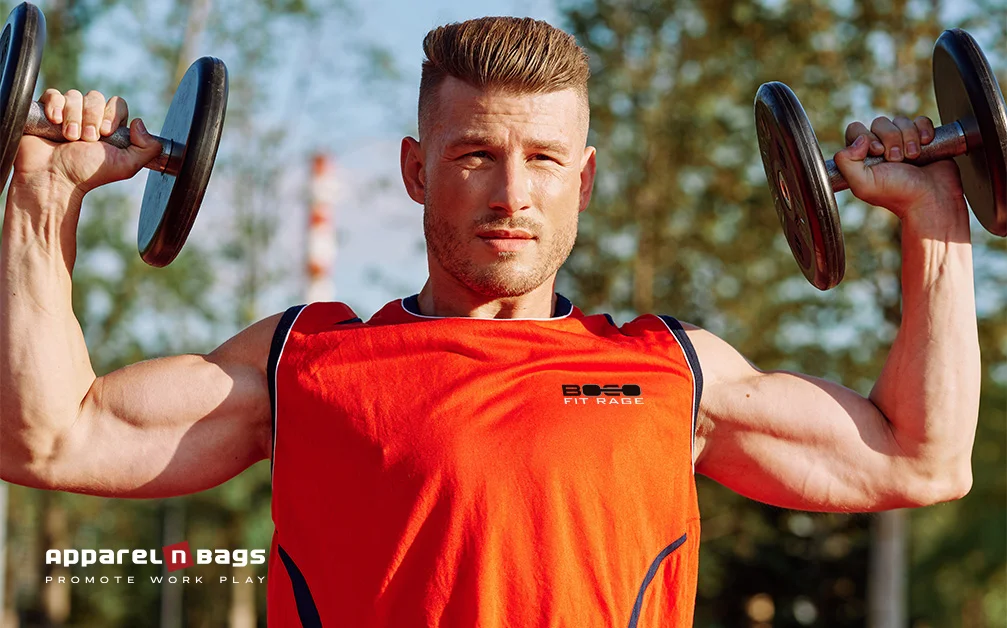
Athletic t-shirts keeps you dry and comfortable during intense physical activities such as running, yoga, or workouts. It pulls away the sweat from your body and keep you odor-free and fresh. Athletic t-shirts can fit snugly or loose, and comes in various long and short to no sleeve’s options for varied preferences.
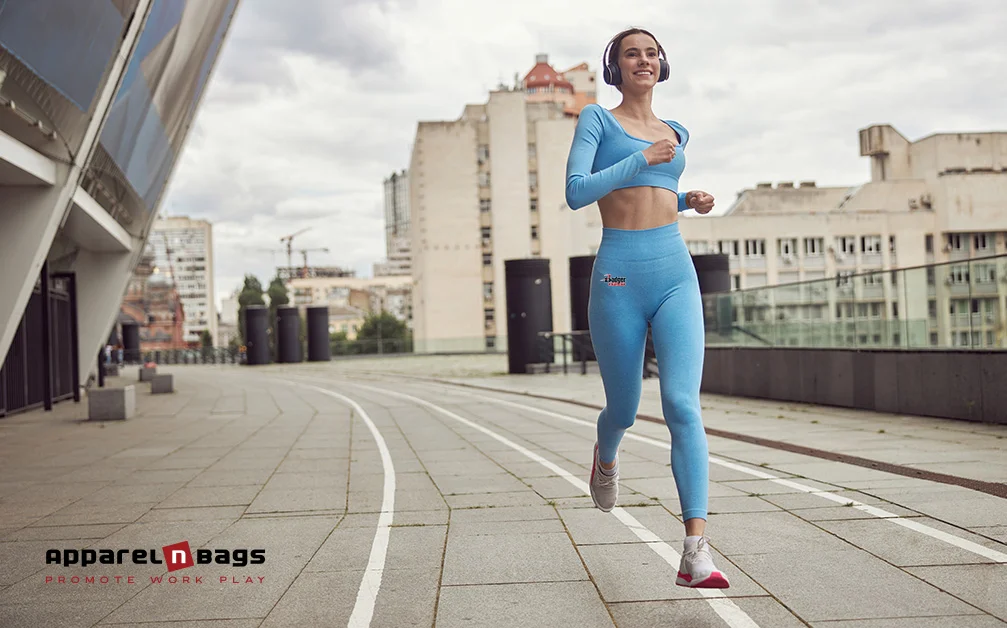
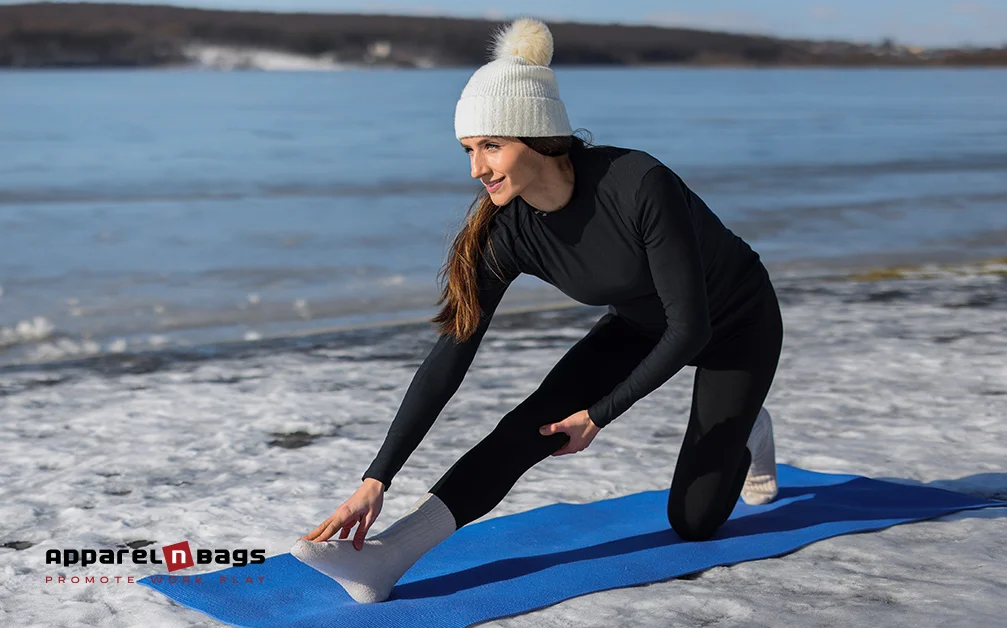
Moisture-wicking fabric is very commonly used in athletic wear tights and leggings. These pants provide great ventilation without restricting movement, and keeping you cool and dry throughout.
The tight fitting of athletic tights and leggings supports muscles while the fabric soaks up moisture, making them a great choice for various activities.
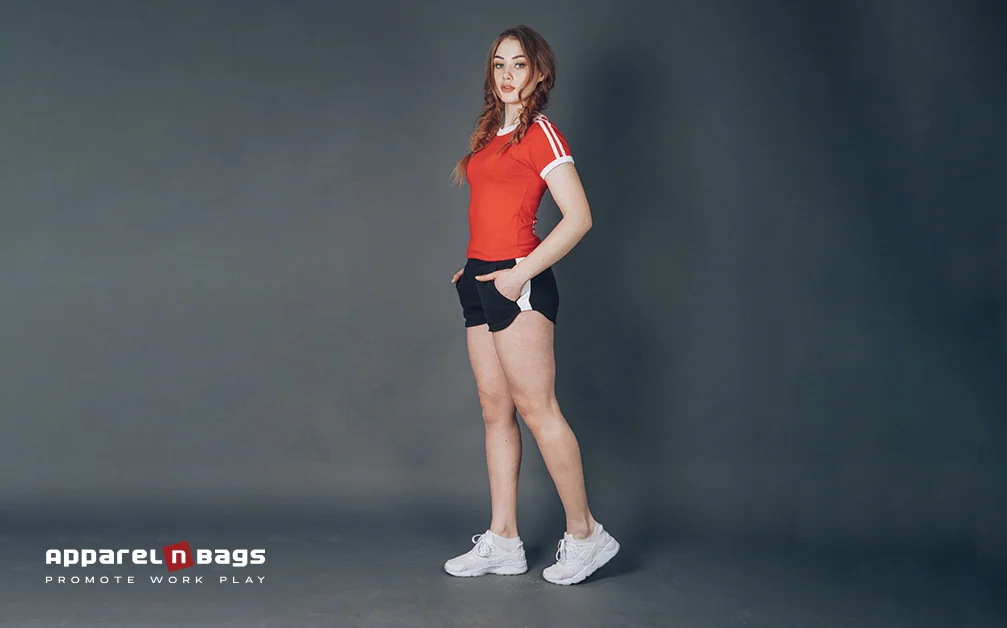
Athletic shorts made from moisture-wicking fabrics such as polyester, spandex, or merino wool provides breathability and wicks away moisture from areas prone to sweating. These athletic shorts may have a loose or tight fitting. Tight-fitting shorts, also known as compression shorts, are great for activities like weightlifting or cycling, while the loose fitting shorts are great for playing sports.
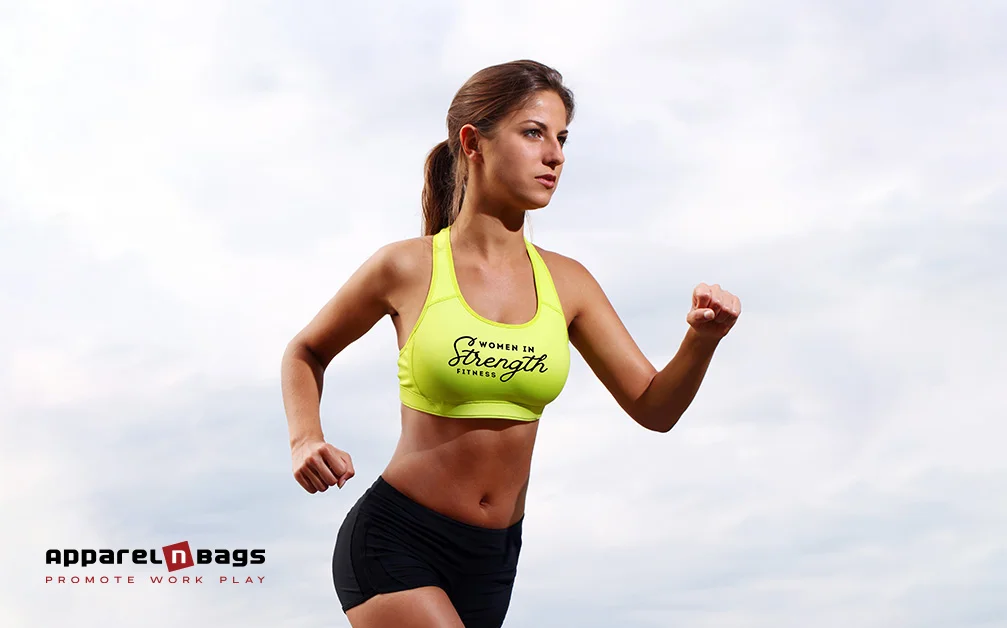
Sport bras made from moisture-wicking fabrics keeps you dry and comfortable. They reduce movement during intense workout activities and provides a lot of support. High-support sport bras are ideal for activities like running or aerobics, while medium support sport bras are suitable for cycling, dancing, or hiking.
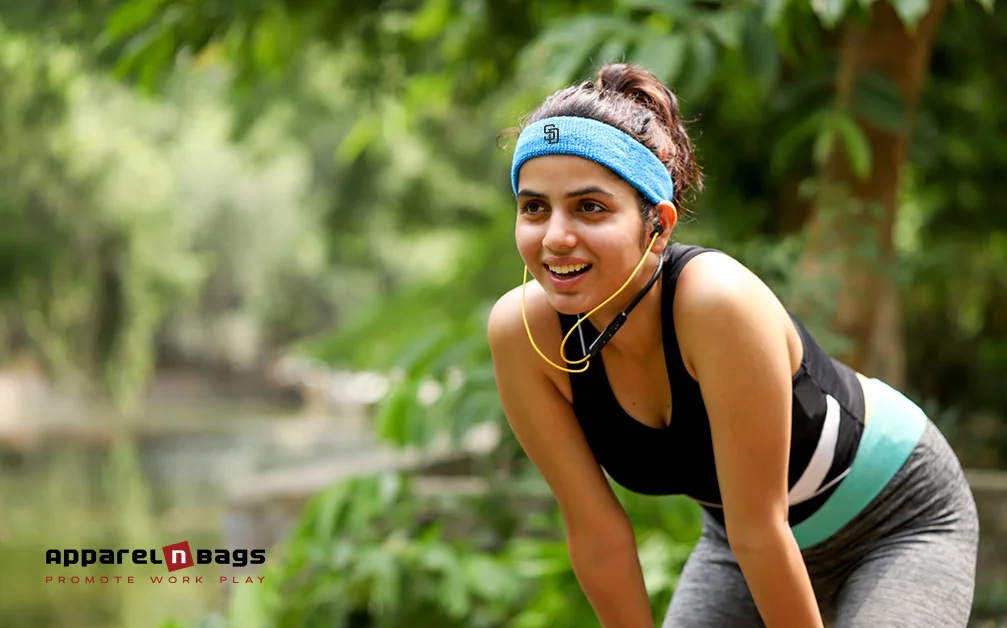
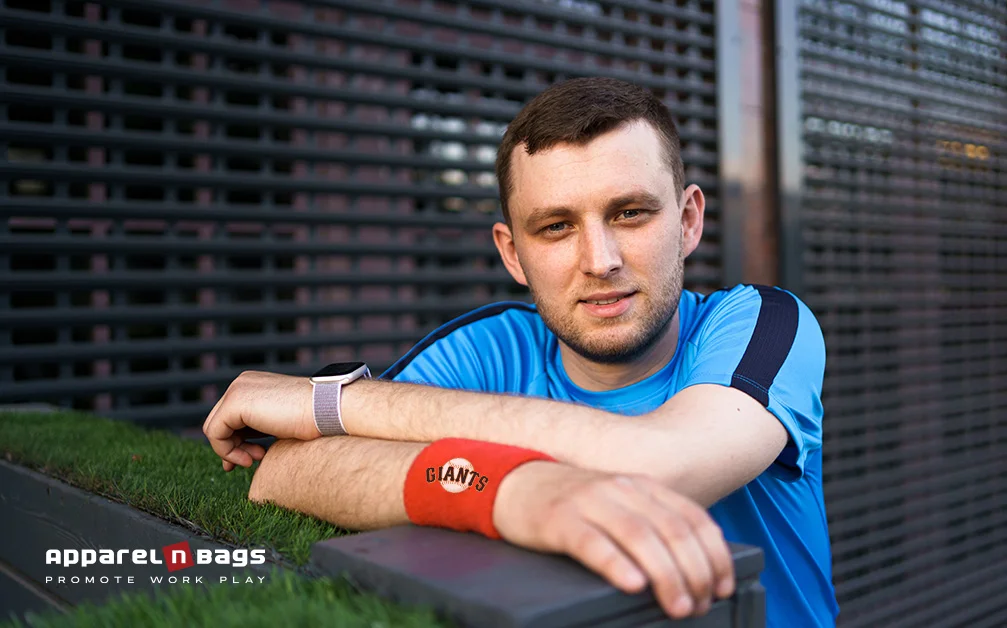
Wristbands made from moisture-wicking materials absorb sweat so it doesn’t drip on your hands and reduce your grip. They provide extra support to your wrists, enhancing comfort and stability during physical activities.
Why Choose Moisture-Wicking Fabric?
During high intensity athletic activities like running, cycling, hiking or medium intensity workouts, bodies break a lot of sweat. When this sweat evaporates, it produces a cooling effect. After the body temperature cools down, your body stops sweating.
Wearing a moisture-wicking fabric helps with this process. These fabrics pull sweat away from your skin, keeping you dry, cool, and odor-free. This way, you can focus better on your workout or activity.
How to Care for Moisture-Wicking Clothing?
Caring for your moisture-wicking clothing properly assures that it keeps performing well, and provides maximum comfort and dryness during your workouts or athletic activities. Following are a few care instructions that will maintain the performance and longevity of your clothing:
- Machine wash inside out in cold water with like colors.
- Avoid fabric softeners. Fabric softeners can leave a waxy residue that clog the pores of the fabric and reduce its moisture-wicking capabilities.
- Use non-chemical detergent.
- Air dry or tumble dry on low heat as high heat can reduce the performance of moisture-wicking clothes.
- If needed, iron on a cool setting to avoid damaging logos or designs.