

Over the years, digital marketing has undergone a significant transformation, driven by technological advancements and shifts in consumer behavior. In 2024, retail e-commerce sales are expected to surpass $6300 billion worldwide and this number is further predicted to keep growing in the coming years.
In addition to that, consumer buying habits have also evolved dramatically with the influence of social media on purchasing decision. Among many, 54% of social media users in the U.S. reported that they use digital platforms to research and buy products online. It further accelerated the adoption of online shopping, with global e-commerce sales reaching $4200 billion. These statistics reflect the increasing importance of digital platforms, with social media, search engines, and mobile applications becoming forefront channels for businesses.
As of 2023, there are 5.19 billion internet users and 4.88 billion social media users worldwide. On average, internet users spend six hours and 40 minutes online each day.
Are you wondering, “What is digital marketing” and how it can help your business grow? The blog is thoughtfully composed to help you understand “what is digital marketing”, why is digital marketing important”, and benefits of digital marketing for businesses. You will also learn about what does a digital marketer do and how they help businesses grow. Continue reading here!

If you want to learn about “what is digital marketing”, you have come to the right place!
Digital marketing is the practice of promoting products, services, or brands using online or digital channels and technologies. It also includes a wide range of strategies, such as search engine optimization (SEO), content marketing, social media marketing, email marketing, and pay-per-click (PPC) advertising.
By leveraging digital platforms and online strategies, businesses can increase brand awareness, reach a global audience, engage with customers, and measure the effectiveness of their campaigns. This allows for more targeted, cost-effective, and measurable marketing efforts,, making digital marketing an essential component of modern business strategies.
How Does Digital Marketing Work?
So, how does digital marketing work?
Digital marketing begins with identifying and understanding the target market’s demands and behaviors through digital media platforms as there are 5.19 billion internet users worldwide as of 2023. Marketers then create and publish customer-focused content to engage and connect with their potential customers.
For instance, social media, with its 4.88 billion users globally, plays a significant role in building brand awareness and fostering direct interaction with customers.
Techniques like search engine optimization (SEO) enhance a website’s visibility for a fact that 68% of online experiences begin with a search engine.
To succeed, businesses must find effective ways to spread the word about their products and services and that has become more challenging due to competitive business landscape. Consumers face more choices from different providers, each competing for their attention. Creating compelling content on digital marketing platforms is one way to stand out from the crowd and to beat your rivals.
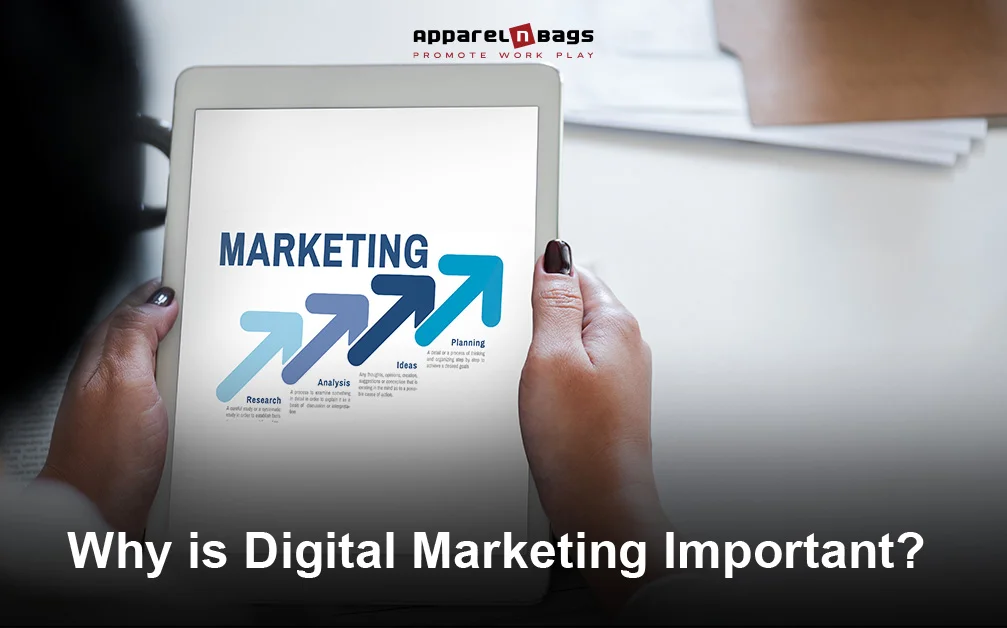
Digital marketing is important than ever before with consumers shifting to online platforms to buy products and avail services. Digital marketing is also important for businesses because it helps them align their short and long-term objectives, reach their target audience, maximize their sales, increase revenue, and drive sales.
People browse, compare, and buy items or services online from various platforms. As of 2023, online marketplaces have the largest share of online purchases globally, with Amazon leading in website traffic. Such facts highlight the important role of digital channels and social media platforms in shaping modern consumer behavior, emphasizing the need for businesses to continually reshape their marketing strategies to meet evolving consumers’ demands.
Target Specific Audiences
Effective digital marketing strategies help you in attracting your actual target audience. It helps you focus towards the potential customers who are most likely to purchase your product or service. Traditional ads on TV, in magazines, or on billboards offer limited control over who sees them. Digital marketing, however, allows for mass targeting of a highly-specific audience with personalized and effective marketing messages.
For example, social media targeting can display ads based on age, gender, location, interests, and behaviors. PPC or SEO strategies can serve ads to users interested in specific keywords related to your product or service. This targeted approach assures your marketing reaches the prospects most likely to buy.
By evaluating and analyzing data from different authentic digital platform, such as social media surveys or polls, website analytics, and search engine queries, you can gather detailed insights into your buyer personas. This data-focused digital marketing approach allows you to reshape your marketing strategies, creating targeted campaigns that connect with your ideal customers.
Cost-Effectiveness
Digital marketing is more cost-effective than traditional outbound methods. It allows you to track campaign performance daily, identifying which platforms perform well, helping you optimize your budget for a high return on investment (ROI).
With digital marketing, you can allocate your budget to high-converting strategies like design software in order to create high-quality, relevant, and engaging Instagram content. This flexibility makes sure that you never waste your money on underperforming channels. For small businesses with limited budgets, investing in social media, blogging, or SEO can yield higher ROI with minimal spending – a win-win!
Competitive Advantage
Digital marketing allows small businesses to compete with well known brands in the same industry. Big companies may have large budgets, but strategic digital marketing can help smaller businesses to convert big companies’ potential consumers towards buying their products or services.
There are plenty of options for small businesses that they can take advantage of to make their name a brand in the market. For instance, employing best SEO practices, such as building user-friendly websites, creating impactful content, utilizing relevant short and long-tail keywords that have the same intent, and designing eye-catching graphics, small businesses can rank well on search engines.
For a fact that search engines prioritize content that best connect with target audiences, not necessarily content from the biggest brands which makes this an opportunity for small to mid-size businesses to reach and attract more potential customers.
Measurability
One of the greatest benefits of digital marketing is its measurability. Digital marketing provides a comprehensive view of key metrics like impressions, shares, views, clicks, and time on page.
This transparency allows marketers to see exactly how their campaigns are performing and make data-driven decisions to improve outcomes.
For example, a company runs a social media marketing campaign on Facebook. Through Facebook Insights, they can track how many people saw their ad (impressions), how many clicked on it (click-through rate), and how much time users spent engaging with their content (time on page).
If the ad isn’t performing as expected, they can quickly adjust and modify the content or increase the budget for better results.
Flexibility and Adaptability
Digital marketing strategies are easier to adapt and change compared to traditional marketing methods. While traditional strategies often need to be followed through to completion before evaluating their effectiveness, digital marketing allows for adjustments mid-campaign.
For instance, if a calculation is off, an assumption incorrect, or the audience response unexpected, you can quickly modify your strategy. This immediate ability to adapt and modify the approach highlights the benefits of digital marketing’s flexibility for a business.
Since, you have already learnt about what is digital marketing, below are a few top types of digital marketing that a marketer must include in business marketing plan:
Search Engine Optimization (SEO) involves optimizing your website to rank higher in search engine results pages (SERPs). This helps increases organic (non-paid) traffic to your site.
Some of the common and very effective SEO strategies include, keyword research, on-page optimization such as, meta tags, headings, and content, off-page optimization such as, backlinks and social signals, and technical SEO including, site speed, mobile-friendliness, and indexing. Effective SEO strategies and practices help a business stand out among its competitors on the search engine results.
2. Content Marketing
The content marketing industry is projected to generate over $135 billion in revenue by 2026, reflecting its growing significance in the marketing industry. Moreover, 70% of B2B marketers plan to increase their content marketing budgets in coming years, driven by its proven effectiveness in generating leads at three times the rate of traditional marketing strategies.
Content marketing focuses on creating, publishing, and distributing valuable and relevant content to attract and engage a target audience.

This can include blog posts, guest posts, web copies, product descriptions, video content, infographics, eBooks, white papers, and more. The goal is to provide value to your audience, inform them regarding your product or services, establish authority in your industry, and drive profitable customer action.
50% of companies aimed to expand their content teams with 75% of large companies have opted to outsource content writers, recognizing the demand for specialized skills in this competitive field.
Social media marketing uses platforms like Facebook, Instagram, Twitter, LinkedIn, and Pinterest to promote products or services. It involves creating and sharing content, engaging with followers, running ads, and analyzing performance metrics. This type of marketing helps build brand awareness, drive traffic, and foster customer relationships.
A significant 73% of marketers report that their social media marketing efforts are either ‘somewhat effective’ or ‘very effective’ in achieving business goals.
The benefits of social media marketing are further highlighted by its impressive lead-to-close rate, which is 100% higher than that of outbound marketing. This performance is especially notable among marketers who dedicate substantial time to social media: 66% of those who invest an average of six hours per week on social media generate more leads. This highlights the critical role of social media in contemporary marketing strategies, emphasizing its efficiency in engaging potential customers and driving business growth.
4. Pay per Click (PPC)
Pay per Click (PPC) advertising involves paying a fee each time someone clicks on your ad. Pay-per-click (PPC) ads are exceptionally effective at generating leads and driving sales, successfully guiding customers through the final stages of the sales funnel. Google Ads is one of the most common PPC platforms. PPC ads appear at the top of search engine results pages and on various websites within the Google Display Network. This method allows for precise targeting and immediate visibility.
Among the various PPC platforms, Facebook ads stand out for generating higher leads and sales, with an average conversion rate of 9.21% across diverse industries.
This indicates that Facebook ads are particularly effective at turning prospects into customers, making them an invaluable tool for businesses looking to maximize their marketing ROI.
By effectively targeting and engaging potential customers, Facebook ads help enhance visibility as well as significantly improve the likelihood of completing sales transactions. This makes them a critical component of any comprehensive digital marketing strategy aimed at achieving greater business outcomes.
Affiliate marketing involves partnering with individuals or companies (affiliates) who promote your product in exchange for a commission on sales they generate. Affiliates use their marketing efforts, such as blogs, social media, or email campaigns, to drive traffic to your site.
6. Native Advertising
Native out-stream ads are significantly more effective, offering click-through rates that are four times higher. This increased engagement is due to the smooth integration of native ads into the user experience, which makes them more captivating to consumers.
In fact, 37% of consumers report having a more favorable opinion of brands that utilize native content, appreciating the relevant and non-disruptive nature of these ads.
Moreover, native advertising has been shown to positively impact brand metrics, enhancing brand affinity by 18% and increasing purchase intent by 9%. These benefits illustrate the powerful role of native ads in fostering stronger consumer connections and driving more effective marketing outcomes. Native advertising examples include sponsored articles on news websites or promoted posts on social media platforms, such as Facebook, Instagram, Twitter, LinkedIn, and other channels.
7. Marketing Automation
Marketing automation uses software to automate repetitive marketing tasks, such as email campaigns, social media posting, and ad campaigns. It helps nurture leads, personalize marketing messages, and improve efficiency by handling tasks automatically based on predefined triggers and workflows.
8. Email Marketing
Email marketing involves sending targeted emails to your audience to promote products, share news, or provide updates. Effective email marketing campaigns are personalized, relevant, and provide value to the recipient. Common types include newsletters, promotional campaigns, and transactional emails.
9. Online PR
Online public relations (PR) focus on managing your brand’s reputation and increasing its visibility online. This includes getting press coverage in digital publications, engaging with bloggers and influencers, responding to reviews and comments, and managing online crises.
Online PR helps a business in engaging with customers as well as community leaders and public leaders within a society. It helps a business to engage with more and more stakeholders including government personnel and other relevant entities.
10. Inbound Marketing
Inbound marketing attracts customers by creating valuable content and experiences relevant to them. It involves techniques like SEO, content marketing, social media , and email marketing to draw prospects in rather than pushing marketing messages out. The goal is to build trust and authority, leading to higher conversion rates.
11. Sponsored Content
Sponsored content involves paying another company or influencer to create and promote content that features your service or product. This can include articles, videos, or social media posts. The content is usually generated to match the style and voice of the business, providing value to their audience while subtly promoting your brand.
12. Search Engine Marketing (SEM)
Search Engine Marketing (SEM) includes both paid search ads (PPC) and organic search strategies (SEO). The goal is to increase visibility on search engine results pages through paid advertising and optimizing your website’s content and structure.
13. Instant Messaging
Marketing Instant Messaging Marketing leverages platforms like WhatsApp, Facebook Messenger, and WeChat to communicate directly with customers. It’s used for customer service, transactional messages, and promotional content. This method provides a personal, immediate way to engage with your audience and can include text, images, and links.
Digital marketing has become prominent because it reaches a wide audience. It also offers numerous other advantages for a business that can significantly boost your marketing efforts. Following are a few benefits of digital marketing for a business:
A Wide Market Reach
When you post an ad online, it can be seen by people regardless of their location. This makes it easy to expand your business’s market reach and connect with a larger audience across various digital channels.
For example, as of 2023, there were 5.19 billion internet users worldwide. A small local business can attract billions of customers online through effective digital marketing.
Cost Effectiveness
Digital marketing not only reaches a broader audience but also carries a lower cost. For instance, a study by HubSpot found that companies using inbound digital marketing save more than $14 for every new customer acquired. Additionally, a well- generated blog post can continue to attract visitors for months or even years after publication, unlike a TV ad that stops being effective once it’s off the air.
Measurable Results
Measuring the effectiveness of your marketing strategy is crucial, and digital marketing makes this process simple and accurate. Digital marketing platforms and software can automatically track key performance indicators (KPIs) such as email open rates, website visits, and online purchases.
According to a report by Google, businesses that utilize data-driven marketing are six times more likely to be profitable year-over-year. This precise tracking helps marketers understand which strategies are working and which need adjustment.
Personalized Branding
Digital marketing allows for the collection of detailed customer data, enabling highly personalized marketing efforts. For instance, consider a financial services company that wants to send special offers to users who have shown interest in specific products.
With digital marketing, they can easily segment their audience and convey messages to different groups, such as young families looking at life insurance and millennial entrepreneurs interested in retirement plans. According to Epsilon, personalized email marketing delivers 6x higher transaction rates compared to non-personalized email, highlighting the power of customization.
Connect with Customers
57% of consumers are more likely to buy from brands they follow on social media. It indicates that digital marketing facilitates real-time communication with customers, fostering deeper connections.
Social media, for instance, allows businesses to engage with their audience immediately. A compelling social media strategy not only increases visibility but also encourages interaction. The ability to comment, share, and participate in discussions enhances customer engagement and loyalty. This makes it easy for a business to respond to their clients, understand their requirements and demands, and connect with them on an individual level.
Easy and Fast Conversions
Digital marketing enables immediate action after viewing an ad or content. For instance, the average conversion rate for Google Ads across all industries is 3.75%, demonstrating the effectiveness of digital ad campaigns in driving actions. Similarly, a user might click on a link in an email or save a blog post for later reading, moving them along the sales funnel.
Inbound Marketing vs. Digital Marketing
Inbound marketing is a strategic approach that leverages various digital marketing tools to attract, engage, and connect with customers online. It focuses on creating valuable content and experiences personalized to the demands and interests of the target audience.
Moreover, inbound marketing strategies use digital content to attract target customers by addressing their specific demands and interests. For instance, an eBook offering in-depth solutions to common industry problems, downloadable guides, or a series of informative webinars can attract and engage potential customers who are actively seeking answers or education. This approach not only helps in building trust and credibility but also nurtures leads through the sales funnel by providing consistent value.
Digital marketing, on the other hand, is an umbrella term including all forms of online marketing activities, whether they are inbound or outbound. It includes any tactic that uses digital channels to promote products or services.
Digital marketing could range from email marketing campaigns and social media advertising to search engine optimization (SEO) and pay-per-click (PPC) advertising.
While digital marketing encompasses all online marketing tactics, inbound marketing is a specific strategy within the digital marketing umbrella that focuses on attracting and engaging customers through relevant and valuable content.
Digital outbound tactics aim for broad visibility, whereas inbound tactics seek to build meaningful connections with the target audience.
Does Online Marketing Work for All Businesses?
Online marketing can be effective for any business, regardless of the industry. It revolves around understanding your audience by building detailed buyer personas and creating valuable content tailored to their requirements.
However, the implementation of online marketing strategies can differ significantly between business-to-business (B2B) and business-to-consumer (B2C) companies.
B2B Digital Marketing
For B2B companies, digital marketing efforts are primarily focused on lead generation. The ultimate goal is to attract high-quality leads and convert them into sales through direct engagement with a salesperson.
61% of B2B marketers stated that generating leads was their top marketing challenge.
Effective B2B digital marketing strategies often include optimizing the company website for lead capture and increase in sales. This might involve creating in-depth content like white papers, case studies, and industry reports that can be gated behind lead capture forms. For instance, a software company might offer a comprehensive guide on improving cybersecurity practices in exchange for contact details.
LinkedIn is a crucial platform for B2B marketing. With over 740 million members, LinkedIn provides a professional environment where businesses can reach decision-makers.
According to LinkedIn, 80% of B2B leads come from LinkedIn, highlighting its importance in the B2B digital marketing world.
B2C Digital Marketing
In the B2C, digital marketing aims to drive direct sales by attracting customers to the company website and encouraging them to make a purchase without the demand for personal interaction with a salesperson. The buying process for B2C consumers is commonly faster compared to B2B buyers.B2C digital marketing strategies often focus on creating an engaging customer journey from awareness to purchase.
For example, an online clothing business might use social media platforms like Instagram and Pinterest to showcase their products with high-quality images and engaging stories.
These platforms are particularly effective, as 81% of people use Instagram to research products and services, according to Instagram’s internal data. Additionally, B2C companies may use email marketing campaigns to promote sales, new arrivals, or special offers. These emails often feature clear and compelling calls-to-action to drive immediate purchases
Furthermore, B2C companies frequently use retargeting ads to reach customers who have previously visited their website but did not complete a purchase. In addition, website visitors who are retargeted with display ads are 70% more likely to convert.
Digital Marketing Best Practices
To experience the full potential of digital marketing and achieve exceptional business results, it’s important to understand the key drivers of success. Adopting digital marketing best practices significantly increases your chances of meeting your objectives and grow your business.
Set Your Digital Marketing Objectives
Before embarking on any digital marketing campaign, set SMART goals — specific, measurable, achievable, relevant, and time-bound. Planning and executing clear objectives and goals will help you streamline your digital marketing efforts leading to higher outcomes.
You may set your digital marketing goals as mentioned below:
- Increasing website traffic
- Increasing brand engagement
- Build industry expertise
- Generate more leads
- Building brand presence and awareness
- Expanding your email prospect database
- Increasing sales and revenues
Explain Your Actual Target Audience
A clear understanding of your target audience is essential before choosing digital marketing channels and making effective strategies. Start by identifying shared attributes such as age, gender, income, education levels, geographic location, interests, and purchasing patterns.
Next, pinpoint the specific problems your audience faces or their demands for certain products or services. With a well-defined audience, you can develop compelling digital marketing messages that address their primary needs or solve their significant issues. Moreover, with effective digital marketing strategies based on clear understanding of your target audience, you will not only be able to attract potential customers but turn your existing customers to loyal ones.
Define Your Digital Marketing Budget
Setting a digital marketing budget prevents under or overspending and assures your expenditure aligns with your marketing goals. Decide whether you should allocate a budget for each digital channel or an overall budget for all channels depending on your budget limitations and the usage of channels. Understand the costs associated with various digital marketing tools and technologies, such as SEO software, email marketing platforms, website hosting services, and social media management tools.
For PPC advertising, research platform-specific costs. Google Ads and most social media channels provide detailed information about PPC expenses on their advertising portals. Additional costs may include services like copywriting, videography, and design. By clearly setting your budget for digital marketing solutions, you will be able to achieve your long-term business success objectives.
Choose Your Digital Marketing Channels
Launching a company website is often the initial step in digital marketing. The choice of additional digital marketing channels or methods depends on your product, your target audience’s online behavior, and your budget.
In addition, it also depends on the size, type, and model of your business as well as industry in which you operate. Popular techniques include social media marketing, SEO, and email marketing, though the ideal mix may vary based on your specific target market.
Track and Measure Outcomes
One of the advantages of digital marketing is the ease of tracking results. With clear goals set, you can measure your performance against these benchmarks. Create a regular schedule for monitoring digital marketing performance — whether daily (recommended only in the initial stages or with high spending), weekly, or monthly.
Your business success might not come immediately, but continuous analysis and refinement of your digital marketing strategies will improve your outcomes over time. Learn from your performance data to adjust and increase your digital marketing efforts going forward.
Digital Marketing Examples
Below are a few digital marketing examples that reflect how effective digital marketing can be if leveraged properly:
1) Lego’s Rebuild the World Campaign
Lego’s “Rebuild the World” campaign exemplifies a powerful digital marketing strategy by addressing important global issues, thus connecting deeply with its audience. Consumers today increasingly prefer brands that are aligned with their values. In fact, 82% of customers choose to shop with brands that share their beliefs. This campaign effectively shares Lego’s story and message while engaging with current global concerns.

This highlights the need to identify causes important to your target audience and incorporate your stance on these issues into your marketing to show connectivity with their values. Your target audience will feel connected with you if your brand message aligns with their thoughts, perceptions, and lives.

2) Dove’s Reverse Selfie Campaign
Dove’s “Reverse Selfie” campaign highlights the impact of social media on children’s self-esteem, particularly young girls. By showing the reverse process of a teen girl preparing and photo shopping a selfie, Dove raises awareness of the negative effects social media can have.
This campaign highlights the importance of understanding your audience and generating your content accordingly.
Knowing your audience, analyzing their problems, and coming up with solutions that connect with them will help you connect with your potential and existing customers deeply.
3) Yes Williamsburg – Sponsored Ad
Yes, Williamsburg uses native advertising on Instagram to promote a local Brooklyn business through a paid partnership. The Reel appears organically in users’ feeds while connecting the target audience. This approach is attractive towards the modern audiences, particularly Gen-Z, who prefers content that feels natural over inorganic advertisements.
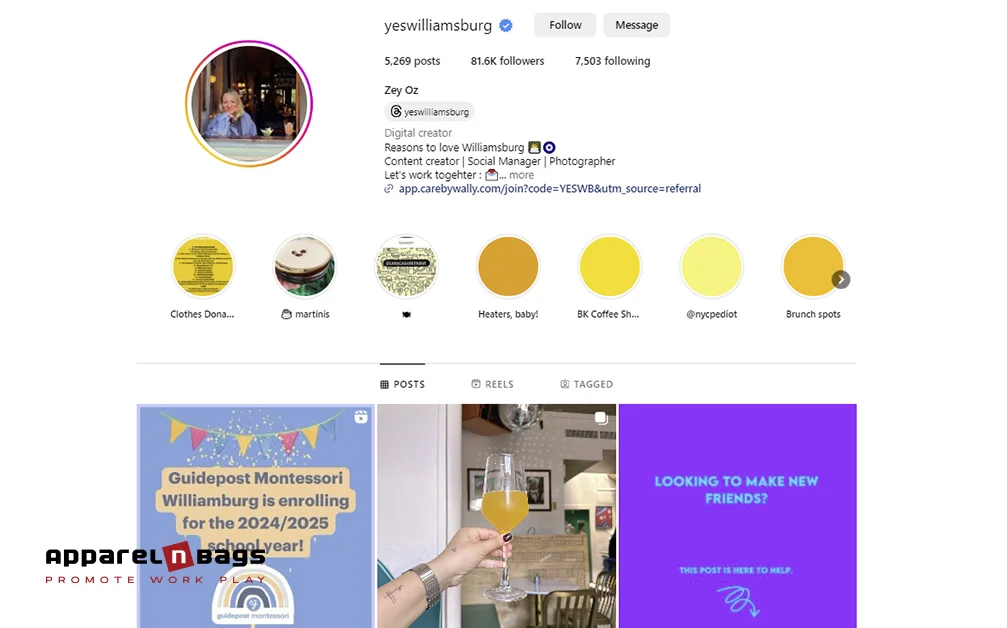
For a small business looking to take their branding game to the next level, sponsored ads can be really effective. Make sure to create content that feels organic and natural rather than overtly promotional, especially when targeting younger audiences. Also, try to keep it short, simple, and relevant so it can connect with your customers.

4) Topicals – Email Marketing
Topicals, a skincare company, effectively leverages email marketing to engage and convert customers. A very good example of their strategy is an email campaign promoting a “subscribe and save” deal, where subscribers receive 20% OFF refills. This email is thoughtfully designed with bold letters and vibrant colors to draw attention to the deal and the call-to-action (CTA) buttons, making it easy for recipients to understand and act on the offer.
By emphasizing the savings and making the subscription process straightforward, Topicals not only encourages repeat purchases but also builds a loyal customer base. The strategic use of eye-catching design elements helps assure that the key messages stand out, increasing the likelihood of conversion. When designing emails, make sure to use bold fonts and colors to highlight important deals and CTA buttons. This visual emphasis helps capture the reader’s attention and drives higher engagement and conversion rates.
5) Ashley White – Affiliate Marketing
Esthetician Ashley White effectively utilizes affiliate marketing to expand her reach and influence. By sharing referral codes and discounts through a Linktree page linked on her Twitter profile, she provides her followers with easy access to special deals and promotions. This method helps enhances brand awareness as well as leverages her credibility as an influencer.
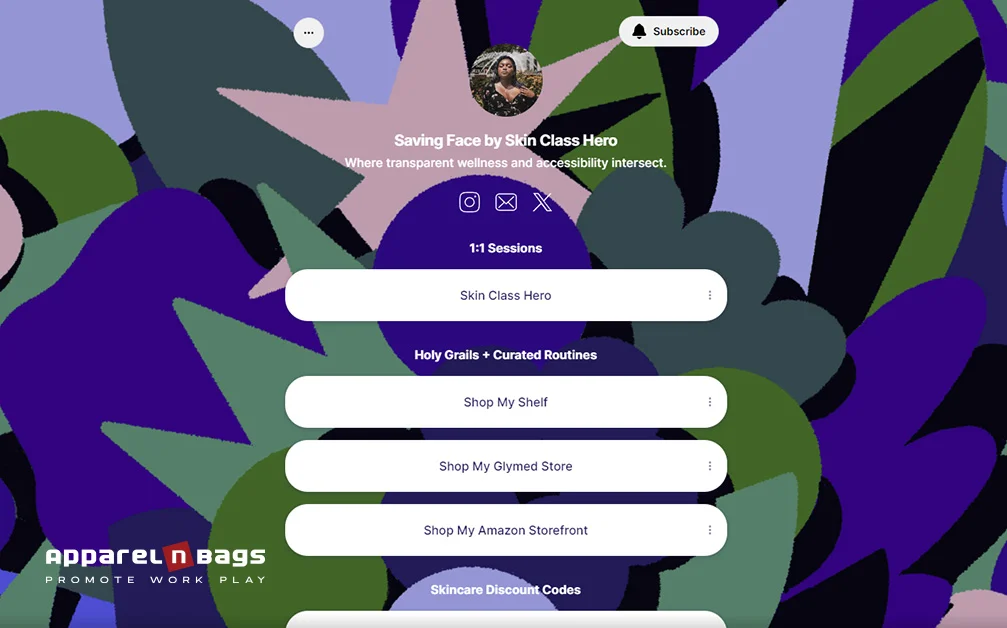
When Ashley endorses a product, her followers are more likely to trust her recommendation and try the new brand. This is particularly powerful in the beauty and skincare industry, where personal endorsements can significantly impact purchasing decisions. Her approach exemplifies how influencers can use affiliate marketing to benefit both their followers, by offering them special deals, and the brands they support, by driving traffic and sales.
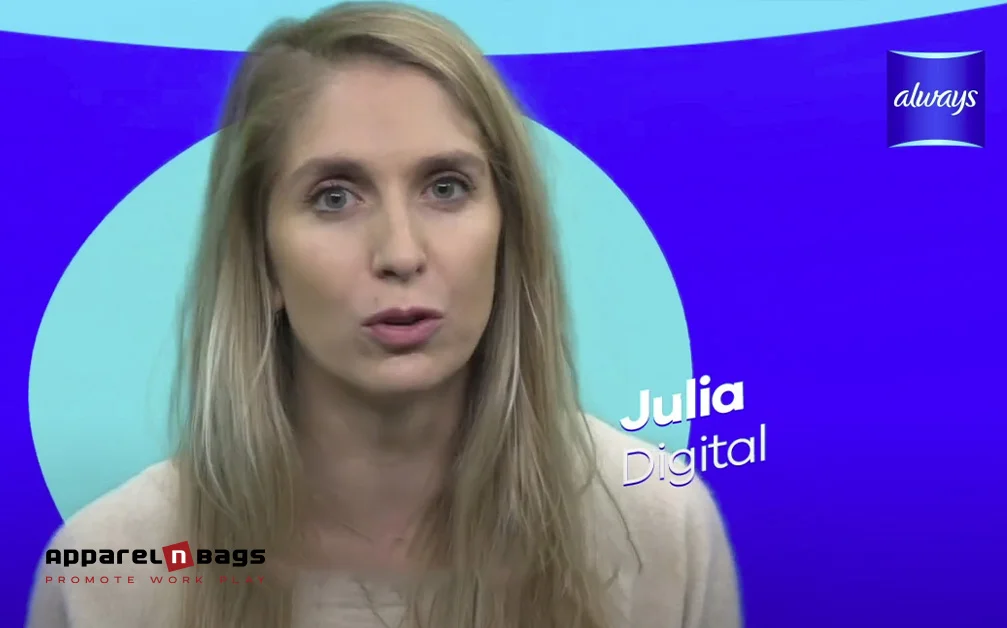
6) Always’ #DayoftheGirl Campaign
Always’ #DayoftheGirl campaign is a powerful example of emotional marketing designed to connect with its audience. To celebrate International Day of the Girl, Always asked its employees to share personal and inspirational tips for young girls, offering valuable insights and advice aimed at women empowerment. This campaign’s primary goal was to inspire rather than directly promote the company’s products.
By focusing on messages of encouragement and support, Always tapped into a broader cultural conversation about the importance of empowering young women. This approach effectively increased brand awareness, showcasing the company’s commitment to important social values. The campaign demonstrated that Always is not just a brand focused on selling products, but one that genuinely cares about and supports the development and well-being of its audience.
7) Samsonite – Search Engine Marketing
Samsonite, a leading luggage manufacturer, employs an effective search engine marketing (SEM) strategy to enhance its online visibility and drive sales. Samsonite specifically invests in bidding on targeted keywords such as “luggage,” “suitcases,” and “travel bags.” By strategically choosing these keywords, Samsonite makes sure that its ads appear prominently when potential customers search for related items on search engines like Google.
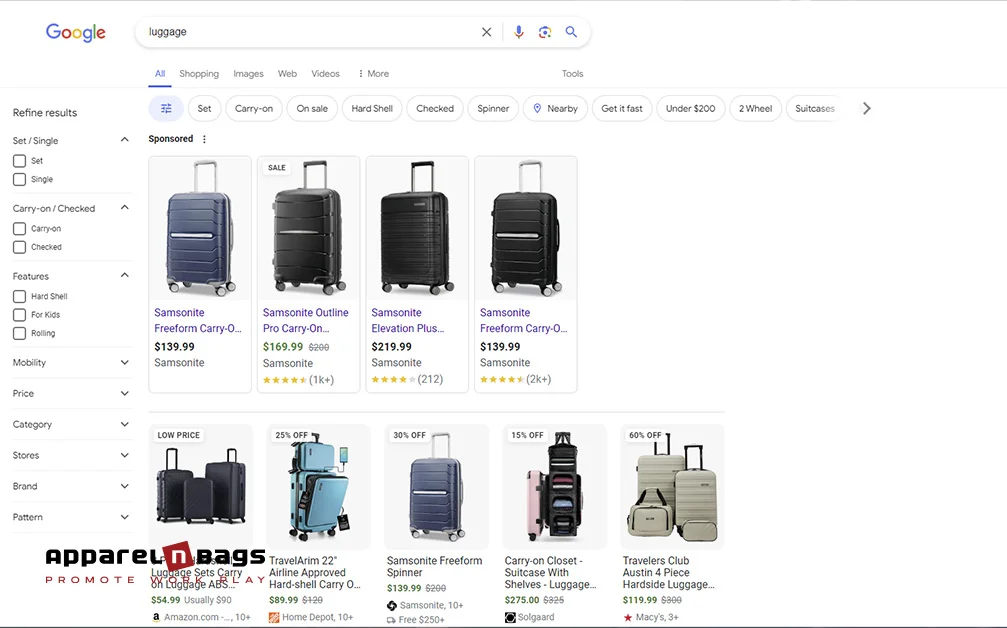
The process starts with keyword research to find terms potential customers use when searching for luggage. Samsonite then bids for ad placements; the highest bidders get prime positions on the SERPs. When users search for terms like “luggage,” Samsonite’s ads appear in these spots, increasing the chances of clicks. These compelling ads highlight special offers, popular products, or unique features and link to specific landing pages, guiding customers toward a purchase.
8) Jennifer Lopez’s #InTheMorningChallenge
Jennifer Lopez launched the #InTheMorningChallenge on social media to promote her new song. The challenge encouraged fans to dance in their pajamas and then in dressy clothes, resulting in a viral campaign with over 16 million views and 5,000 posts. This successful campaign illustrates the power of engaging your audience through fun, simple challenges.