

Tie dyeing is an art that has captivated fashion enthusiasts and DIY lovers. The vibrant swirls and colorful patterns bring a splash of color and creativity to any closet. However, when it comes to tie dyeing a shirt, tank top or any other clothing item, there are multiple ways to achieve those eye-catching results.
You may wonder whether to use “wet vs dry tie dye” when planning to dyeing your new t-shirt or a tank top. The different tie dye methods offer different results for different clothing, and the method you choose might have a significant impact on the success of your project. The two primary methods, wet tie dye and dry tie dye, offer dyeing results depending on the type, style, and fabric of your clothing item.
Whether you have an event around the corner and want to tie dye your favorite plain t-shirt or you are a small business looking to tie dye t-shirts in bulk for your employees or customers, understanding the technicalities of wet vs dry tie dye methods will assure you guaranteed outcomes.
In this blog, we’ll learn difference between dry vs wet tie dye, their pros and cons, and help you decide which method is best for your next tie dye project. Let’s dive in!
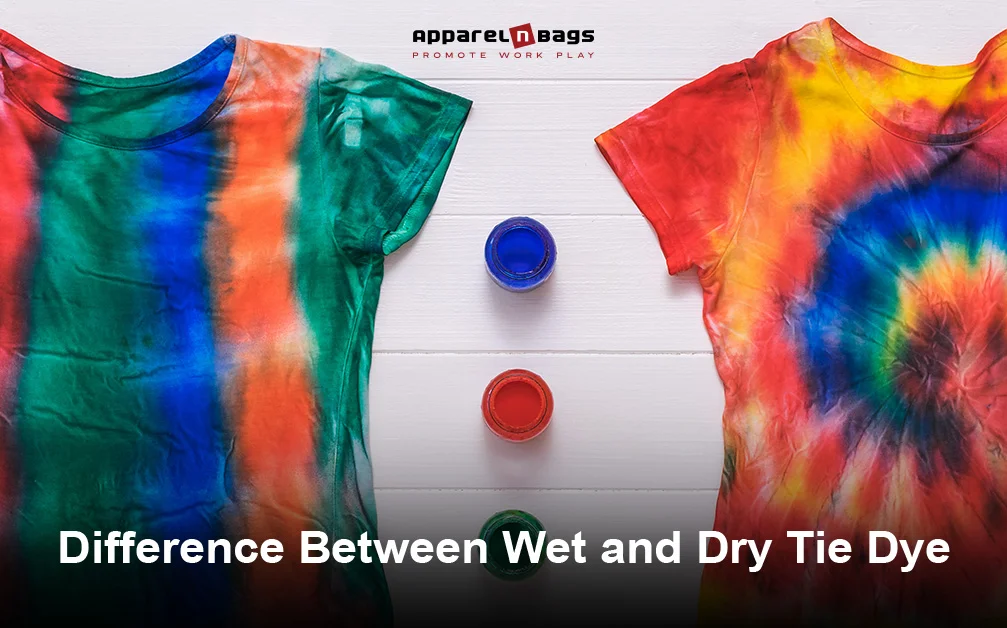
Tie dyeing is an art that offers endless possibilities for creativity, and the technique you choose can significantly impact the outcome. The primary difference between dry vs wet tie dye lies in the moisture level of the fabric when dye is applied.
Wet tie dye involves applying dye to damp fabric, while dry tie dye is applied on fabric that is completely dry. This affects the dye absorption, color intensity, and final look of your tie-dye project.
When it comes to tie dye dry vs wet, wet tie dyeing involves soaking the fabric in water before applying the dye. This method allows the colors to spread and blend more smoothly, creating softer and smoother transitions between colors.
Wet tie dry is one of the most commonly used and beneficial methods to die clothes, such as t-shirts, tank tops, and lightweight hoodies. Its results are amazing and last long, giving your clothing a whole new look.
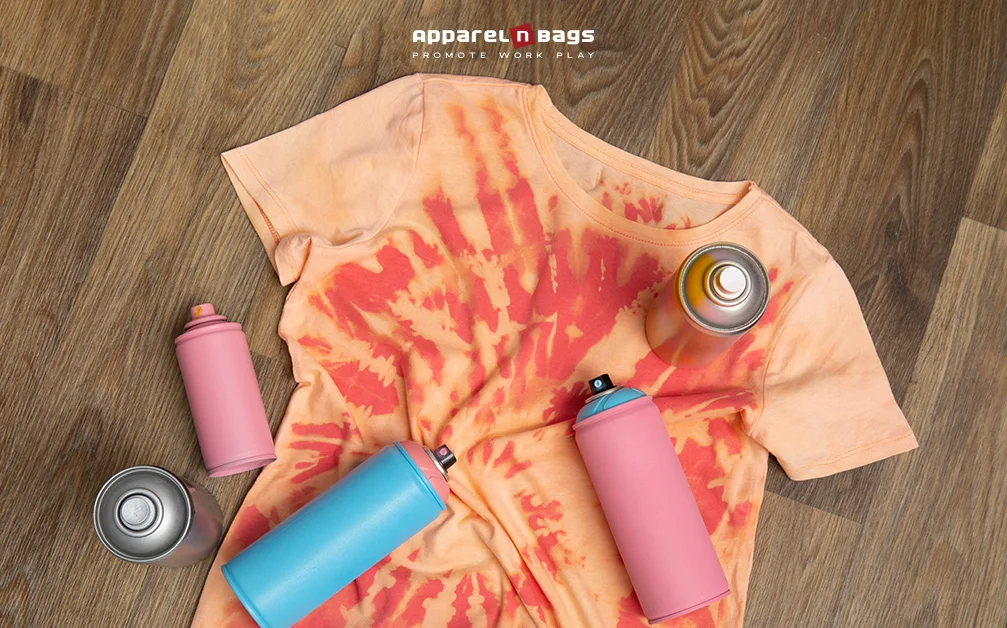
Wet tie dye is more beneficial compared to dry tie dye because the fabric is wet and the chances of dye absorption are high. Patterns, such as spirals, are easier to create with damp fabric because the fabric stays in place while you secure it with rubber bands or string.
• Less Dye Is Required: In wet tie dye, less dye is required to fully saturate the fabric, and the colors blend together more smoothly, resulting in a beautiful water color effect.
• Smoother Color Transitions: The damp fabric during the wet dyeing process helps the dye spread evenly, resulting in soft color transitions.
• Easier Dye Absorption: Wet fabric absorbs dye more quickly, which leads to more vibrant and bright colors.
• Better for Certain Fabrics: Some fabrics, like cotton, respond particularly well to wet tie dye, allowing for deeper dye penetration and more vivid results. Hence, clothing made with cotton such as shirts and more are considered best for wet tie dye.


Tie dye patterns such as Spiral, Spider, Crumple, and Sunburst are performed using damp fabric. The moisture helps create and dye these patterns more effectively, resulting in smoother color transitions and ultimately vibrant prints.
Some classic tie dye patterns, like Heart or Rainbow are started on the dry fabric so you can use a washable marker. Once you design your fabric with a washable marker, you secure it with rubber bands to damp the fabric. This helps dye absorbs better and result in smoother prints.
Ice dyeing is another wet tie dye method loved for its beautiful and vibrant results. It can be performed on either damp or dry fabric. For softer edges and better colors, it is recommended to dampen your clothing first.
In reverse tie dyeing, adding dye back to the fabric is most effective when the fabric is damp. This technique usually employs the same patterns mentioned above, resulting in vibrant and well-defined results.
• Spiral Pattern: Ideal for creating a classic, swirling design with smoothly blended colors.
• Crumple Technique: Great for achieving a marble-like effect with gentle color transitions.
• Bullseye Design: Perfect for concentric circles with soft edges and rich color saturation.
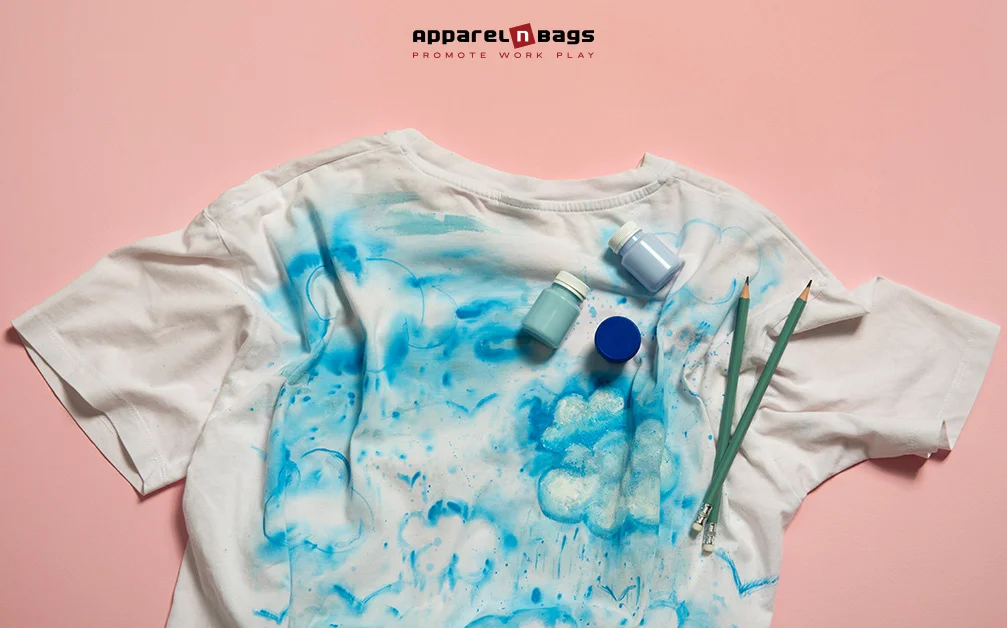
Dry tie dyeing involves applying dye to fabric that hasn’t been pre-soaked. This method creates more defined patterns and sharp contrasts between colors, offering greater control over the final design. Since, the clothing item is dry; it doesn’t shrink during the tie dyeing process, leading to more smooth prints.
Wet vs dry tie dye technique; which offers more benefits? Since we have already talked about wet tie dye, let’s have a look at what benefits dry tie dye offers!
• Less Color Bleeding: The absence of additional water means the dye doesn’t penetrate with additional liquid, which helps prevent colors from bleeding into each other.
• Bleach Control: If you use bleach, it will benefit from the lack of water, offering better control and more effective bleaching.
• Crisper Patterns: Dry fabric prevents the dye from spreading excessively, resulting in sharp and distinct lines and shapes.
• Controlled Application: Allows for more precise placement of colors and patterns, ensuring cleaner designs.
• Less Mess: Dry tie dye can be less messy since the dye remains more contained on the fabric’s surface. So, if you’re still confused about “wet vs dry tie dye” give dry tie dye a try and you will be amazed with the outcomes.
Below mentioned are a few best methods for dry tie dye:
Stripe Design: Perfect for creating sharp, well-defined stripes with clear boundaries between colors.
Sunburst Pattern: Ideal for achieving sharp and vibrant patterns with more visible edges.
Ice Dye: While ice dyeing can be done with either damp or dry fabric, starting with a dry item will give you sharper edges and more vibrant pops of color.
Bleach Tie Dye: Using dry fabric allows for better control over the bleach application and increases the effectiveness of the bleach solution (typically a 50/50 bleach/water mix).
Technically, you can use any tie dye pattern with dry fabric. However, be prepared to use more dye to fully saturate the fabric, which can add a unique touch to your design.
If you are still confused about “is it better to tie dye wet or dry”? Well, the choice between wet vs dry tie-dye depends on the desired outcome of your project. Wet tie-dye, where fabric is pre-soaked before dyeing, brings vibrant colors and smooth transition between colors, making it ideal for achieving bright and bold designs. This method is particularly more beneficial for beginners, allowing them to tie dye easily.
Conversely, dry tie-dye, where the fabric is dyed without pre-soaking, produces sharp, well-defined patterns and unique textures. This technique is favored by experienced dyers seeking precise color placement and less mess during the process. Ultimately, the best method is the one that aligns with your artistic vision and the specific requirements of your tie-dye project.