

T-shirts are key pieces in any clothing collection, and the fabric they are made from plays an important role. The right t shirt fabric can make all the difference, depending on the occasion and weather. The tshirt fabric also affects how breathable the shirt is and how long it will last after multiple washes.
Be it for casual wear or sports, knowing the features of different shirt fabric types contributes a lot to making better buying choices. A 2024 McKinsey report states that nearly 67% of consumers now consider fabric sustainability as a key factor when purchasing clothing, making fabric type more important than ever in buying decisions.
Below listed are the most common t-shirt fabric type along with their pros and cons, and uses to help you choose the perfect tshirt material.
Types of T shirt Fabrics Explained
Types of t-shirt fabrics fall into two main categories: natural and synthetic. Natural fibers like cotton and linen are breathable and comfortable. Synthetic fabrics such as polyester and rayon offer durability, stretch, and moisture-wicking qualities. Here are the types of shirt material that are most widely used based on their specifications:
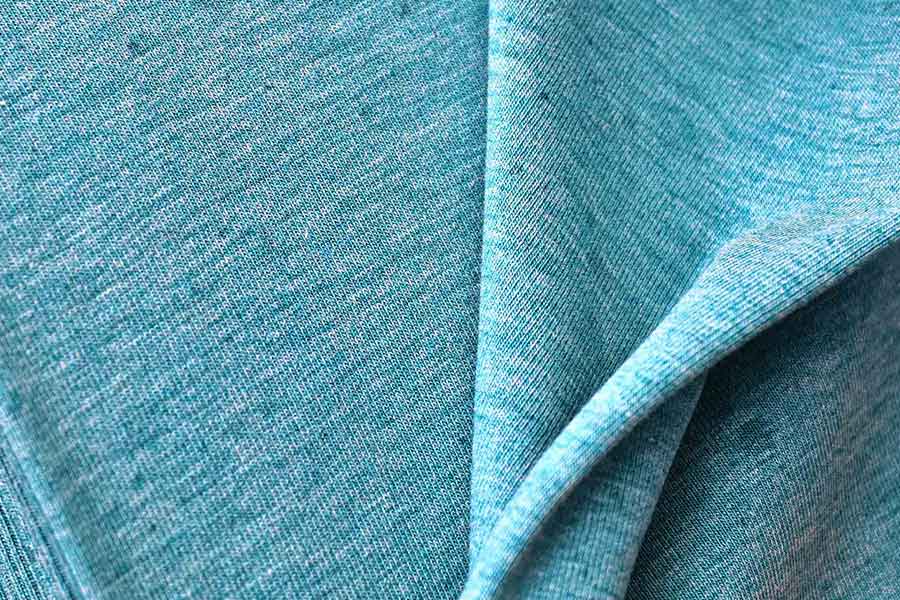
Cotton
Cotton is the most popular and softest t shirt material. It is lightweight, comfy, and reasonably priced. Cotton comes in various types, such as combed, organic, or ring-spun. Clothing made from cotton is also breathable and gentle on the skin, making it suitable for people with sensitivities. However, it may shrink slightly after washing if not pre-shrunk or blended with other fibers.
| Pros | Cons |
|---|---|
| Quick drying properties | Retains heat and smells |
| Highly resistant and durable | Less breathable compared to natural fibers |
| Good shape and color retention | May result in skin irritations |
Linen
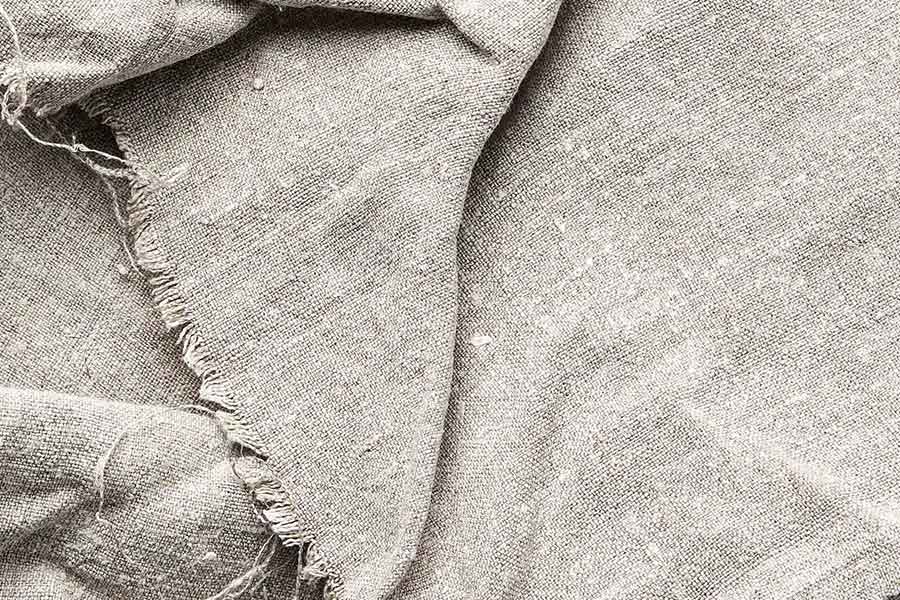
Linen is a plant-based fiber from flax seeds. It’s not only light but also very breathable and absorbent, which makes it one of the best shirt materials. It is used to make comfortable t-shirts that are perfect for staying cool in the summer.
| Pros | Cons |
|---|---|
| Highly breathable | Easily wrinkled |
| Absorbs moisture faster than cotton | Less elastic |
| Eco-friendly and natural | Feels stiffer initially when worn |


Polyester
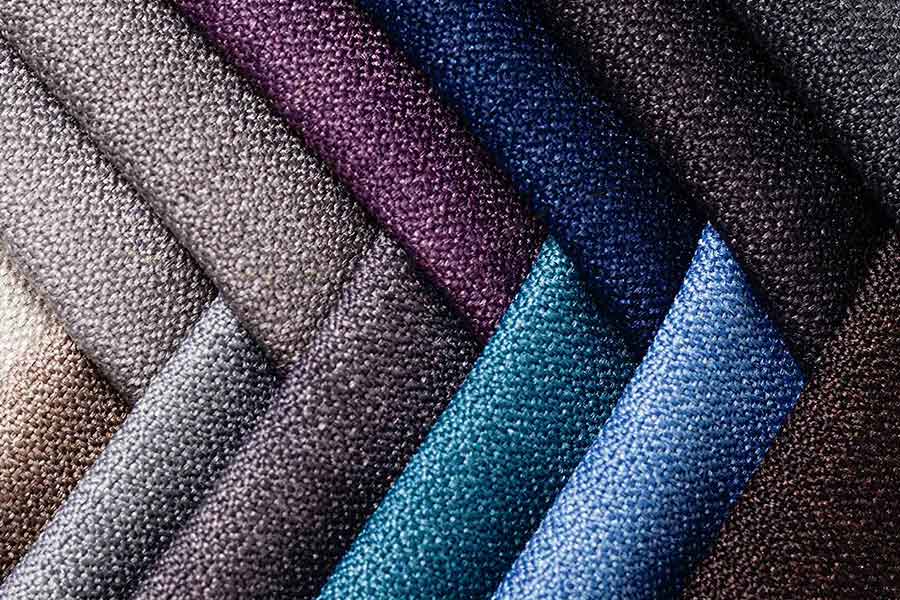
Polyester is the most durable t-shirt material, frequently used for making active wear and promotional t-shirts. It is also considered to be the best fabric for polo shirts because it resists water, stains, and chemicals. The fabric holds its shape well and can withstand frequent use. This makes it ideal for active environments like factories and kitchens.
| Pros | Cons |
|---|---|
| Quick drying properties | Retains heat and smells |
| Highly resistant and durable | Less breathable compared to natural fibers |
| Good shape and color retention | May result in skin irritations |
Silk
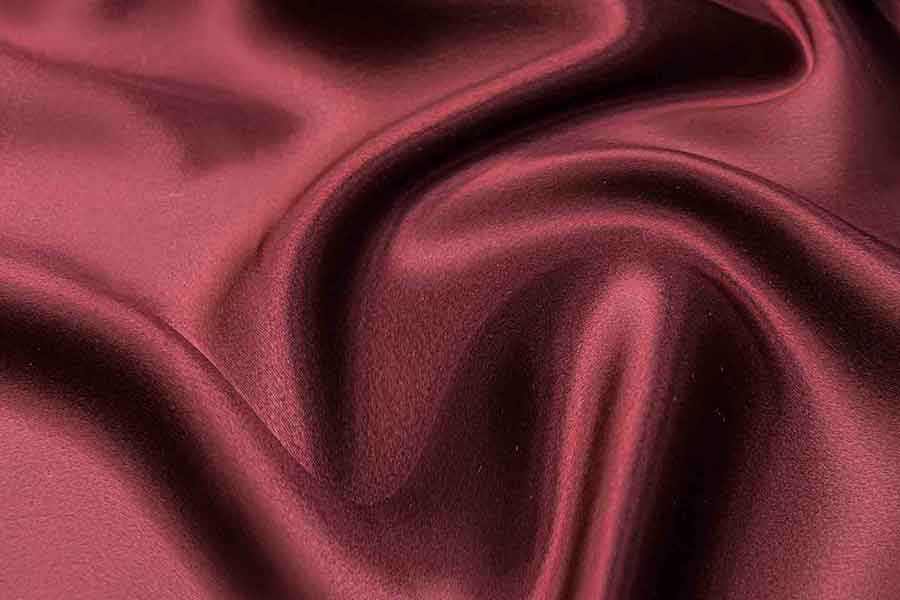
Silk is the best t shirt material currently available in the market. It is known for its very high quality, smooth texture, and beautiful shine. It is often used in the designer collections as a high-end option. Silk t-shirts are definitely not for everyday use, but they can be worn for events or special occasions to get a luxurious look.
| Pros | Cons |
|---|---|
| Extremely soft and light | High price |
| Breathable and hypoallergenic | Needs very careful treatment |
| Perfect option to get an elegant look | Wear and tear easily |
Chambray
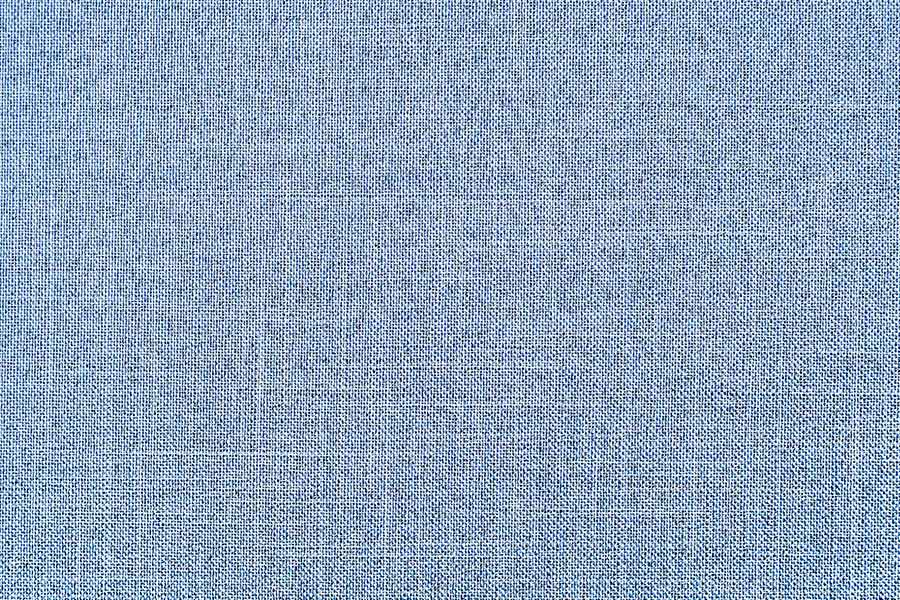
People often confuse this t-shirt material with denim, but chambray is much lighter and softer. It is a cotton plain-weave fabric, perfect for t-shirts that require a more structured and woven look.
| Pros | Cons |
|---|---|
| Light with a textured finish | Wrinkles easily and may need frequent ironing |
| Breathable and fashionable | Less durable compared to other types of t shirt fabrics |
Oxford Cloth
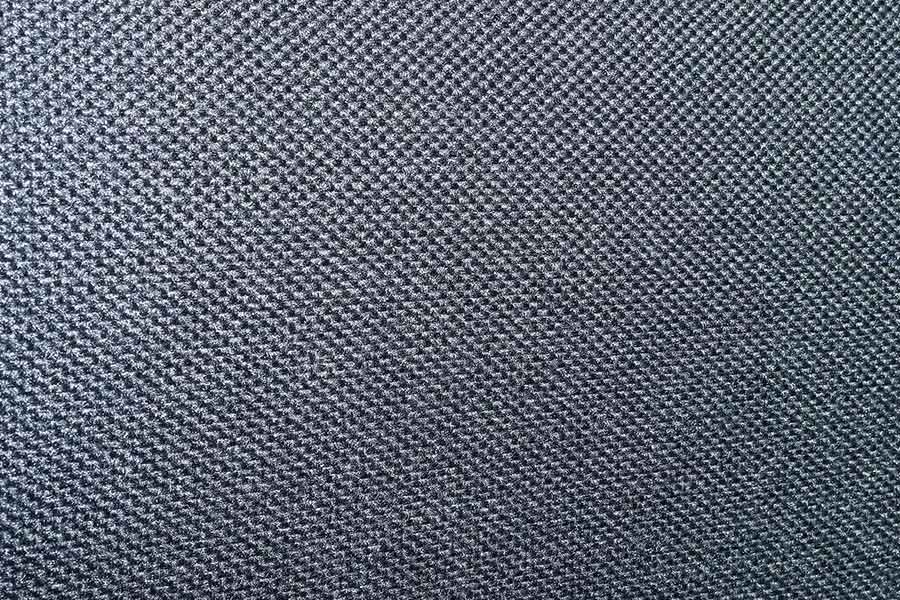
Oxford Cloth is a heavier material than the most commonly used t-shirt fabric options available. A lightweight version of Oxford Cloth, often referred to as “Pinpoint Oxford,” is now commonly used for t-shirts. Traditionally, this fabric was used in button-up shirts only, but it also gives a slightly polished look to casual tees.
| Pros | Cons |
|---|---|
| Thicker and more structured | Heavier for hot weather |
| Good weave | Not so soft |
| Has a more formal look | Lower stretch |
Flannel
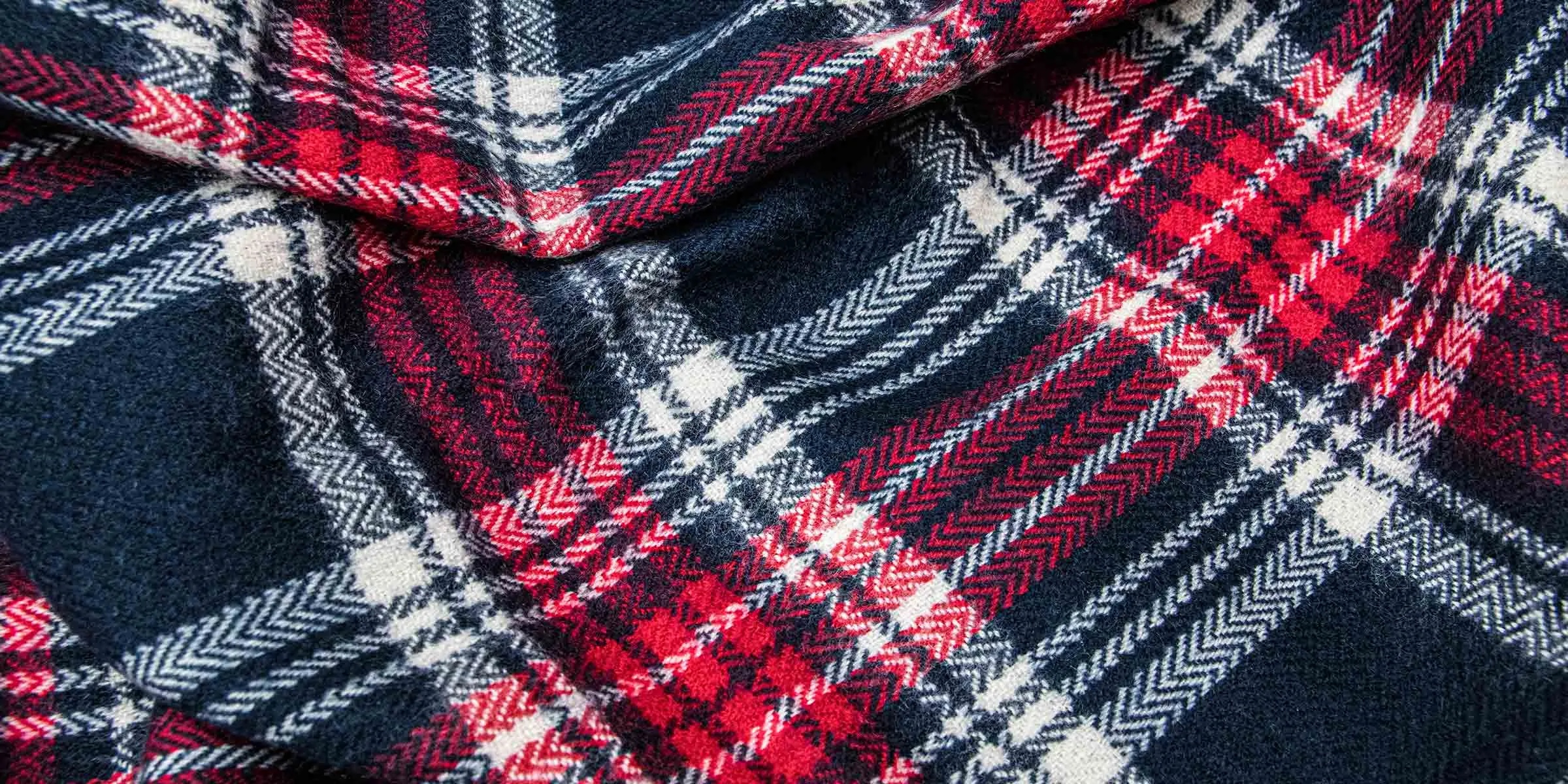
Flannel is usually made from brushed cotton or wool and is known for its warmth and softness. It is the best fabric for t-shirts available in winter collections. The textured fabric retains warmth, which makes flannel perfect for layering on cold days. Additionally, the fabric offers a retro aesthetic that goes well with street-inspired or outdoor-active clothing.
| Pros | Cons |
|---|---|
| Warm and insulating | May feel heavy |
| Very soft | Very soft |
| Perfect for winter to fall seasons | Can shrink and wrinkle with time |
Jersey Knit
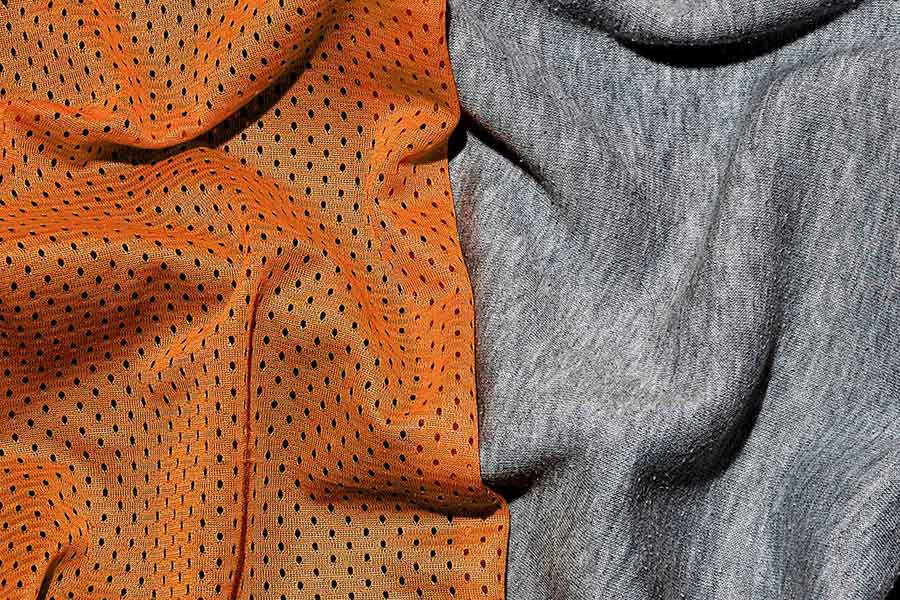
Jersey is a very stretchy and soft knit fabric made from cotton, synthetics, or their blends. It is the most widely used tee shirt fabric for its ease of wear and printability. The breathability and lightweight nature of the fabric have made it very popular for daily use, particularly in hotter regions.
| Pros | Cons |
|---|---|
| Elastic and soft t shirt material | May lose shape |
| Drapes well | Prone to pilling |
| Easy to print on | Can be thin depending on weight |
French Terry
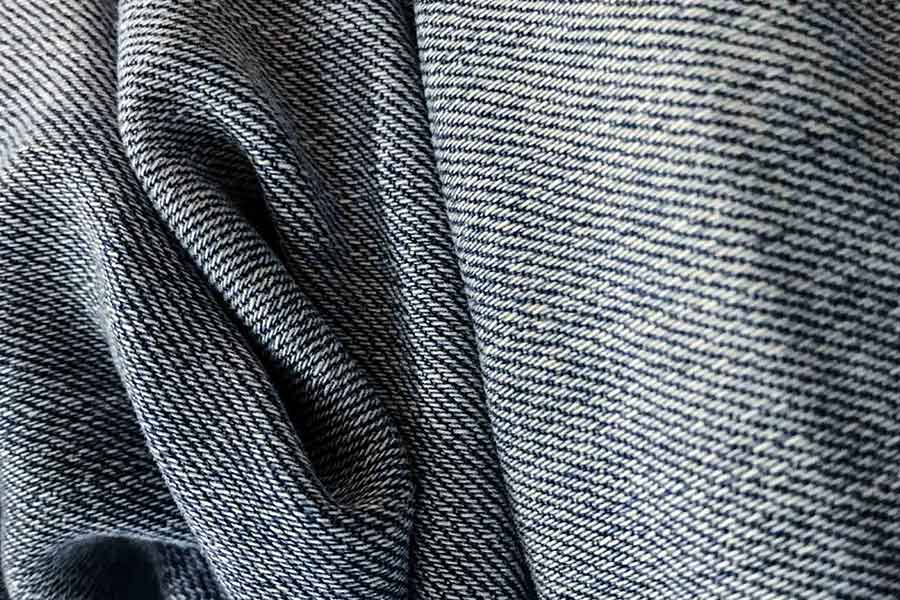
French Terry fabric is a knitted fabric that has a looped back and a smooth front. If you are wondering what is French Terry fabric, it has traditionally been used for sweatshirts and loungewear. French Terry is also gaining popularity amongst high-end t-shirt designers because of its comfort and breathability. It is suitable for outings, most especially in the transitional weather when you need something a bit warmer than a regular cotton tee but lighter than fleece.
| Pros | Cons |
|---|---|
| Soft and moisture-absorbent | Heavier than typical t-shirt fabrics |
| Slightly warm yet breathable | May feel warm in hot weather |
| Great for layering | Slightly more expensive |


How to Choose the Best T-Shirt Fabric: Key Factors to Keep in Mind!
The softness, elasticity, and texture of the t-shirt material decide its degree of comfort. To find the right feel, you can explore popular fabric options like cotton, jersey, and bamboo.
Comfort
The softness, elasticity, and texture of the t-shirt material decide its degree of comfort. To find the right feel, you can explore popular fabric options like cotton, jersey, and bamboo.
Weight
Fabric weight plays a key role in how warm or cool a t-shirt feels and also affects its breathability. The unit of measurement of fabric weight is GSM (grams per square meter). Keep in mind that light fabrics like cotton, jersey, and linen are breathable. In contrast, heavier fabrics such as flannel and Oxford cloth, feel heavier while offering greater durability.
Fit
The fabric’s drape and stretch are the major factors that affect the fit of a t-shirt. Types of t shirt fabrics, such as cotton blends or spandex-containing ones, give more flexibility. Fabrics that are soft and flowy such as lightweight cotton and linen offer a looser and more casual fit. However, structured t shirt materials like Oxford cloth provide a neater look.
Longevity and lifespan
T-shirts made of 100% cotton are very comfortable and airy but have a tendency to shrink or lose the shape if not correctly pre-shrunk. On the other hand, polyester and cotton-poly blends retain the character of the product much better after multiple washings, thus, they are great for high-rotation usage.
Cost
There is a large price difference between various types of t shirt fabrics. Cotton, cotton-poly blends, and basic jersey are comparatively budget-friendly and widely available in the market. However, fabrics like silk and flannel are priced higher due to their luxurious and premium feel. The key is to selecting the type of shirt materials based on how you plan to wear them.
Climate sustainability
Eco-conscious consumers lean toward organic cotton, bamboo, and recycled polyester. These types of shirt fabrics have a lower environmental footprint. Organic cotton has not been treated with toxic pesticides, therefore it is safer for farmers and the environment. Similarly, recycled polyester is a fabric made by turning plastic waste into usable fibers, helping reduce landfill waste and environmental impact.
Intended use
The t shirt fabric you select should be compatible with the intended use and where you are wearing it. For instance, while determining the best fabric for sportswear, you should check if fabric is breathable and has good elasticity. Similarly, when looking for nice work or formal shirts, go for fabrics with a neat finish. Opting for the right types of shirt material according to the use guarantees better look.
Print compatibility
Certain shirt material types are more suitable for some printing techniques. Cotton, being an extremely absorbent fiber, is perfect for Direct-to-Garment (DTG) and screen printing. Polyester has a smooth surface and it also acts as a moisture wick. Therefore, sublimation and screen printing are more suitable for it. Jersey fabric is a bit elastic and is generally available in blended variants, which makes it the most popular tshirt fabric for heat transfer printing. It is important to choose a fabric that suits the printing technique you plan to use as it helps achieve better print quality and ensures the design lasts longer.
How to Create Custom T-shirts with ApparelnBags?
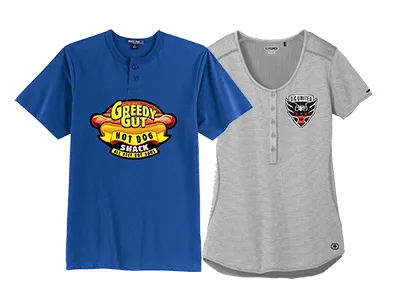
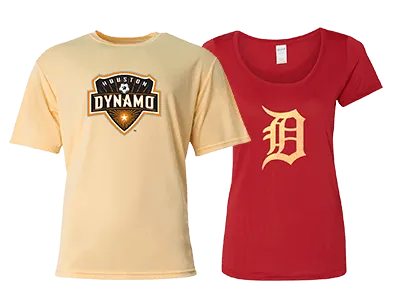
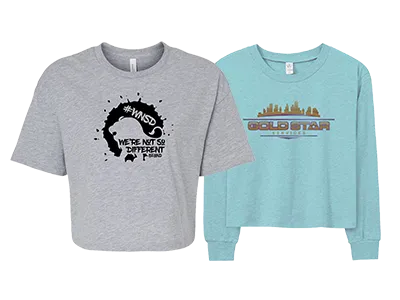
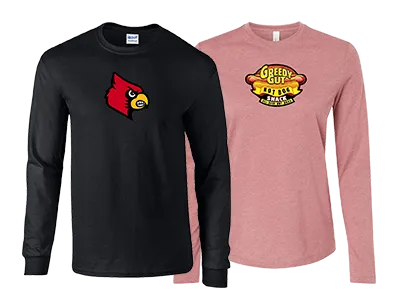
ApparelnBags offers you an extensive collection of fabrics, styles, and custom services that are compatible with all your clothing requirements. If you need a breathable cotton fabric for casual wear, polyester fabric for athletic use, or an ultra-soft jersey for a premium feel, ApparelnBags is your go-to shop.
With budget-friendly prices and premium choices, such as silk, Oxford cloth, and French Terry, you can safely make custom t-shirts that are both trendy and durable. ApparelnBags makes the process smooth, from helping you choose the right fabric to the final printing.

Frequently Asked Questions
T-Shirt Fabric Matters: Invest Wisely!
Understanding the best material for t shirts is crucial if you want to purchase the perfect shirt. Natural materials like cotton, linen, and synthetic ones like polyester offer different characteristics. Some fabrics offer excellent breathability and a soft and comfy feel, while others provide a more luxurious appearance.
No matter if you need to buy a t-shirt for everyday use, work, or for a particular season, knowing t shirt fabric types makes you able to select the best available options. Remember that each fabric type is meant to serve a specific purpose. So, choose your fabric wisely based on your varied individual requirements.