

Walk into any store and you’ll see shelves full of pens. They all look pretty similar, right? Well, you need to think again! Pens come in many varieties that do totally different jobs. Some types of pens have tiny rolling balls at the tip that make your writing look neat. Other pens have thick brush tips, which makes them ideal for drawing and labeling.
Let’s jump in and discover what makes each pen type unique!
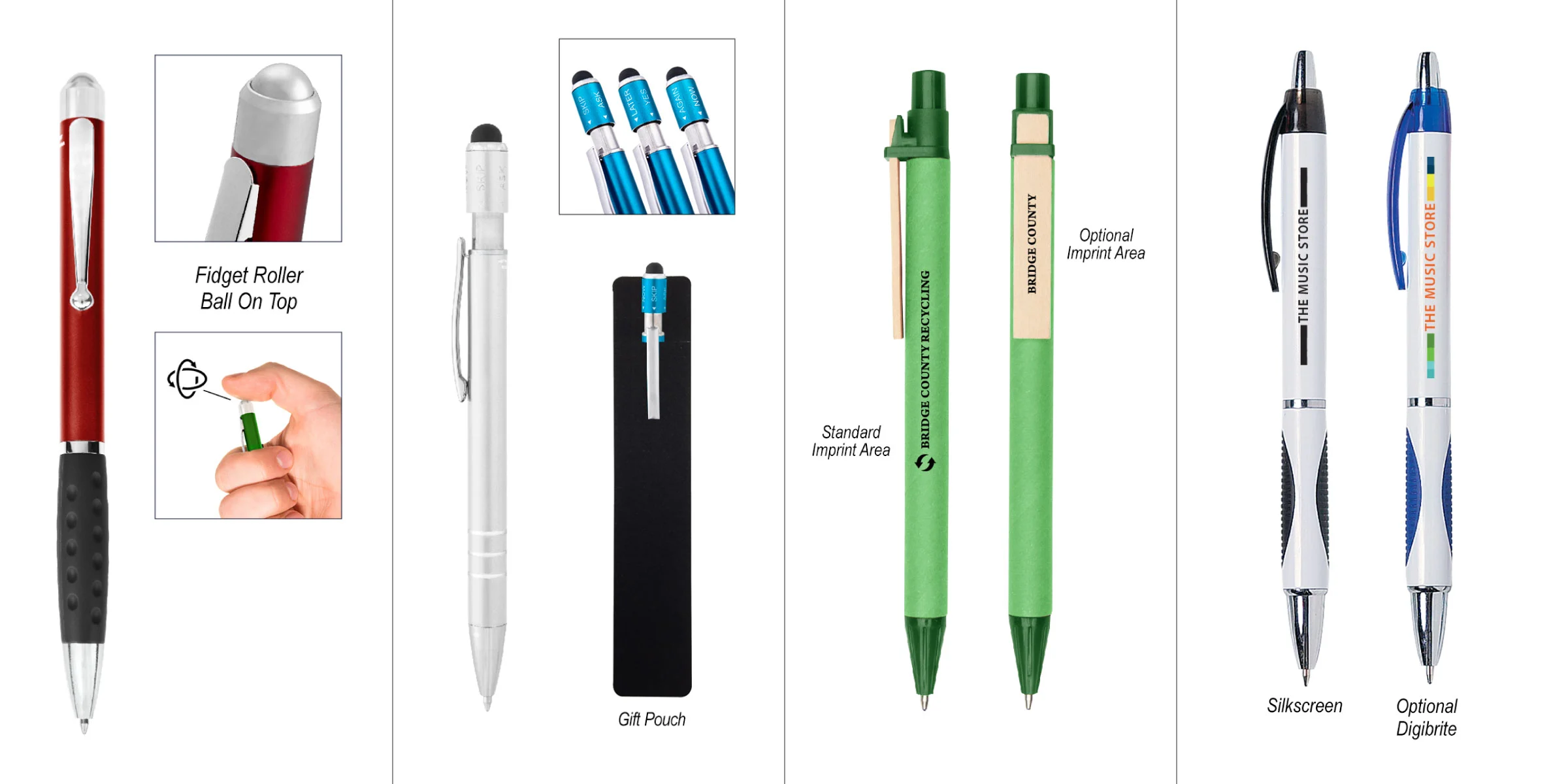
Popular Types of Pens You Should Know About
Since school days, pens have been right there with us. We use gel pens for notes and fountain pens for fancy writing. But did you know there are many more types of pens that people use every day? Below, we list the top types of pens and what each one does the best.

Ballpoint Pens
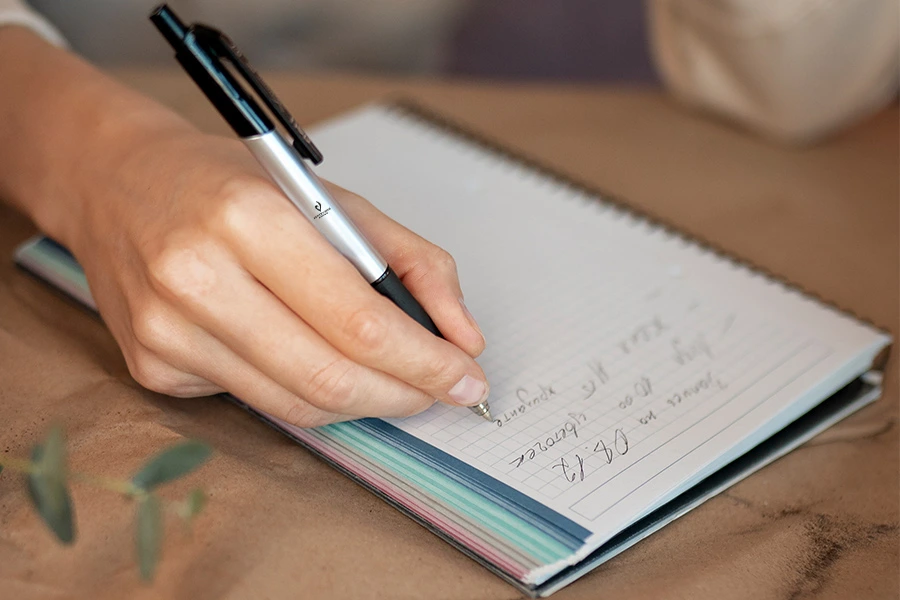
Ballpoint pens are the ones we all reach for. We’ve used them to jot down grocery lists, take quick notes at the office, or write anything in between. Their ink doesn’t leak, keeping our hands and pockets clean, and the thick gel combined with the rolling ball tip makes writing smooth and easy on almost any paper. That’s why ballpoint pens remain a go-to choice for everyday writing.
Advantages:
- Its thick gel ink make it last a long
- Works across different paper types
- Oil-based ink dries instantly and prevents smudging
Drawbacks:
- Limited color
- Can feel scratchy on paper
- Can make lines uneven if the ball tip gets worn out
- Thicker ink requires more hand pressure than water-based ink pens
Users:
- Students take class notes
- Office workers for daily documentation
- Healthcare professionals document patient information on forms
Rollerball Pens
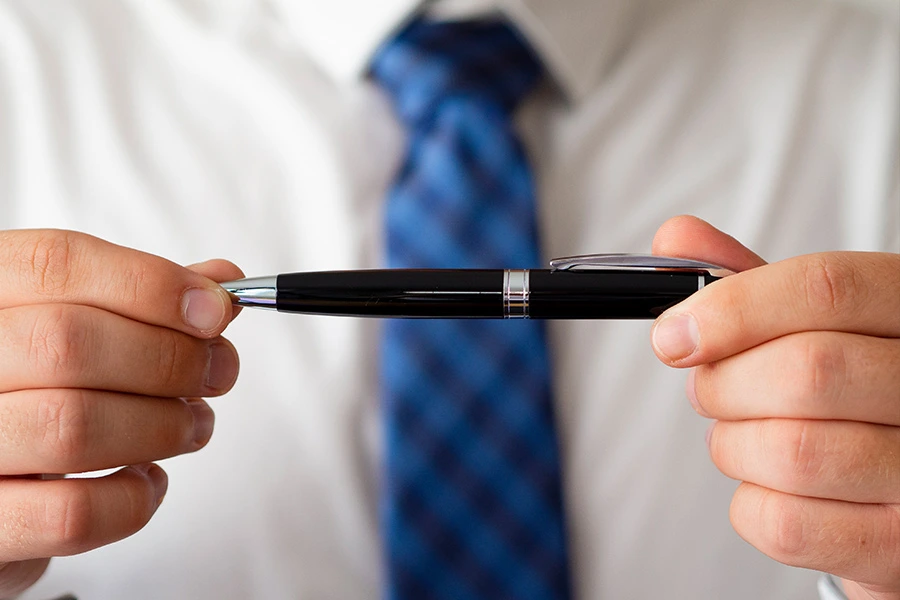
Rollerball pens are perfect for people that want a type of pen that can work as a premium pen. These pens use the same ball bearing mechanism as ballpoints but deliver water-based or gel ink instead of oil paste. The thinner ink flows more freely and creates darker, richer lines that look more professional than standard ballpoint output.
Advantages:
- Work on various paper types
- Ideal for signatures on document
- Creates darker and more saturated lines than ballpoints
Drawbacks:
- Ink pass through thin paper
- Higher prices than comparable ballpoint options
- Water-based ink takes longer to dry than ballpoints
- Higher ink consumption leads to more frequent refills or replacements
Users:
- Business executives sign important documents
- Lawyers draft contracts and legal documents
- Journalists take rapid notes during interviews and press conferences
Fountain Pens
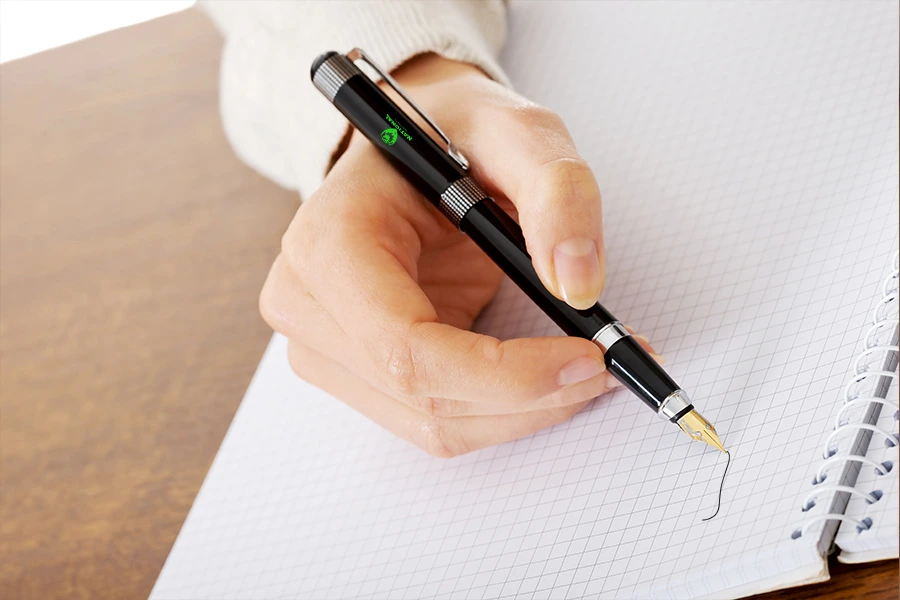
Fountain pens show a clear sense of class and style. People see them as luxury writing tools with a rich history. The nib comes in metal and some users upgrade it with gold too. The nib has two flexible tines with a thin channel between them. This channel guides the ink with smooth and steady flow. The writer controls the line by pressing harder or softer. This control gives the writing a lively look that other pens cannot match.
Advantages:
- Come in different nib sizes
- Write in bold and simple fonts
- Refillable design provides environmental sustainability
Drawbacks:
- Requires regular maintenance and cleaning
- Ink can smudge before complete drying occurs
- Not ideal for carbon copy forms or certain paper types
Users:
- Calligraphers practice decorative arts
- Executives use for business communications

Gel Pens
Gel pens open a wider world of colors. Most of the types of pens come in blue, black, red and green ink colors. But, gel pens push past this limit. They bring glitter shades and bright tones that people once saw only in colored pencils. This happens because gel ink uses a water based formula with strong pigments.
The ink moves across the page with a smooth glide and produces bold colors that stay clear on any surface. The ink also works well on glossy sheets and dark pages where other type of pens fail to leave a clean mark.
Advantages:
- Extremely smooth ink flow
- Works effectively on dark or glossy surfaces
- Available in extensive color ranges including metallic and pastels
Drawbacks:
- Uses more ink and needs quicker replacement
- More expensive per unit than comparable ballpoints
- Ink takes longer to dry than ballpoints and can smudge easily
Users:
- Students use in making notes
- Artists create detailed illustrations
- Administrative staff highlight important documents
Felt-Tip Pens/Markers
Crayola markers, fine liners, and brush pens, are all comes under the umbrella of Felt tip pens. The felt tip absorbs ink and spreads it evenly, giving neat and consistent lines that show up on paper, cardboard, and even some glossy surfaces. Some felt-tip pens come with flexible brush tips for calligraphy or drawing, while others have fine tips for sketches.

Advantages:
- Wide variety of tip sizes and shapes available
- Bright colors attract attention on signs and labels
- Permanent ink options resist water and environmental fading
Drawbacks:
- Ink passes through most standard paper
- Tips can fray or flatten with heavy use
- Permanent markers create strong chemical odors
- Difficult to remove permanent ink
Users:
- Artists create illustrations
- Teachers write on whiteboards
- Retail staff create signs and price tags for displays
- Warehouse workers label packages and mark inventory items
- Graphic designers develop concept sketches and storyboards

Highlighters
You know how every pen tips makes writing little differently? That makes them different from other type of pens. But highlighters are a different kind of tool. They are not meant for writing. Instead, they are made to make the most important lines and notes pop. Their ink is bright, transparent, and fluorescent, so the words underneath stay clear while the text pops.
Plus, their chisel-shaped tip makes it easy to switch between wide strokes and narrow underlines. Students use highlighters to mark key points in textbooks and notes. Researchers and office workers rely on them to spot important information quickly.
Advantages:
- Chisel tip provides versatility for different marking widths
- Fluorescent colors remain highly visible under various backgrounds
- Quick-drying formula prevents smudging and pass-through papers
Drawbacks:
- Tips dry out quickly if caps remain off
- Not suitable for permanent archival documentation
Fluorescent colors may fade over extended time periods
Users:
- Students mark textbooks and prepare for exams
- Editors review manuscripts and mark important passages
- Lawyers mark case files and legal documents for reference
- Researchers organize academic papers and reference materials
- Office managers review documents and highlight action items
Calligraphy Pens
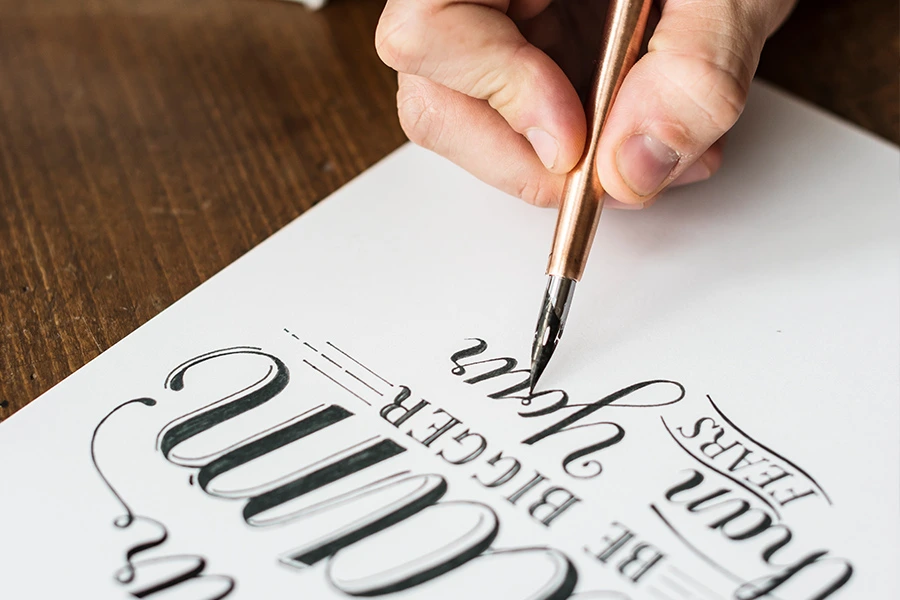
Calligraphic work on fine papers or even decorative sheets cannot be done with a standard pen. For this type of writing, you need the type of pen that have tilted flat nibs instead or round ones. These nibs let you create thin or wide lines, light strokes, or heavy lettering on the page.
Advantages:
- Control over line variation on letter
- Produces impressive visual impact for special occasions
- Creates beautiful decorative lettering and ornamental designs
Drawbacks:
- Specialized nibs require careful maintenance
- Higher cost than standard writing instruments
- Old pens demand frequent ink reloading during use
- Steep learning curve requires significant practice time
Users:
- Create invitations card and certificates
- Hand-lettering artists produce custom signage and artwork
- Graphic designers develop custom typography for projects
Brush Pens
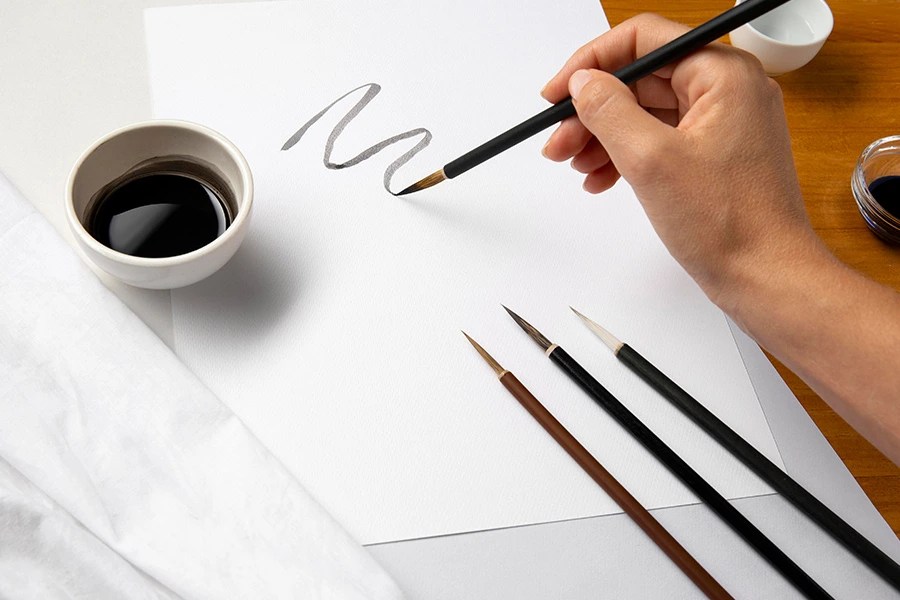
For painting, you usually grab a brush and dip it in paint plates that sometimes make a mess. To avoid this, use brush pens. They have little cartridges that keep the ink flowing all the time. This makes them perfect for sketching or drawing. The tip is flexible, so you can make thick strokes, thin lines, or anything in between. Lettering artists love brush pens because they can mix modern styles with traditional calligraphy, creating designs that look fresh and lively.
Advantages:
- Flexible tips make different line widths
- Less messy than traditional brush and paint systems
- Portable format eliminates need for separate ink containers
- Consistent ink flow prevents interruptions during artwork
- Creates both fine details and bold strokes with single tool
Drawbacks:
- Tips can fray or lose shape
- More expensive than standard markers or pens
Users:
- Illustrators create professional artwork and comic panels
- Urban sketchers capture scenes during location drawing
Multi-Function Pens
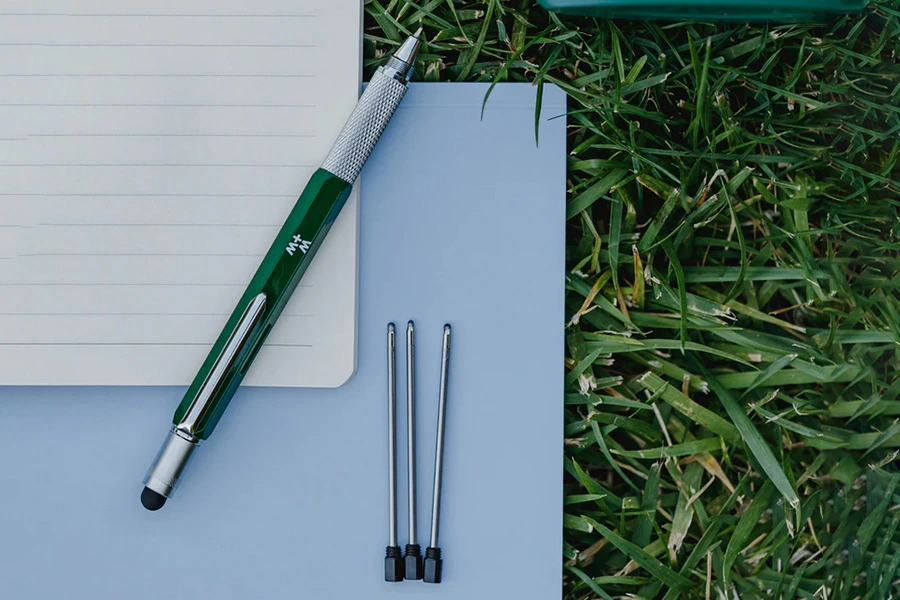
We all need more than one color pen when we write. Blue for notes, black for final copy, red for corrections. Carrying all of them separately can get messy. Multi-function pens solve that problem. They have several ink cartridges inside, and each one comes up when you press a tab. With a single pen, you can write, highlight, or mark anything you need. The compact design makes these pens popular with travelers and people who like to carry less.
Advantages:
- Compact design fits easily in pockets or small bags
- Multiple functions in single tool reduce items to carry
Drawbacks:
- Bulkier than single-function alternatives
- Refills may be harder to source for some models
- More complex mechanisms can fail more frequently
Users:
- Project managers track tasks with color-coded systems
- Office workers process documents requiring multiple ink colors
Stylus Pens
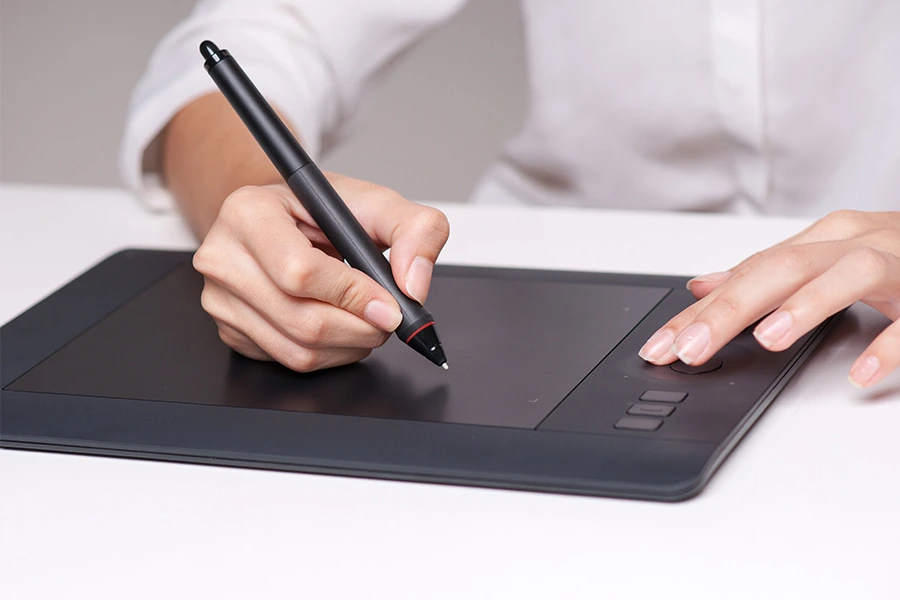
As everything becomes digital, from office work to education, then why not pens? The stylus pen is a type of pen designed to work on screens instead of paper. It detects the ITO (indium tin oxide) layer on the touchscreen and translates the movement of the pen into digital input, allowing you to draw or write just as you would on paper.
Advantages:
- Professional appearance suits business environments
- Eliminates need to carry multiple separate paper pile
- Works across various device types
Drawbacks:
- Higher cost than standard pens
- Passive stylus tips lack pressure sensitivity features
- Active stylus models require battery charging or replacement
Users:
- Digital artists create illustrations on tablets and iPads
- Business professionals take digital meeting notes efficiently
- Graphic designers sketch concepts on touchscreen displays

Find Your Perfect Type of Pen: Quick Comparison
| Pen Type | Best For | Ink Type | Drying Speed | Main Users |
|---|---|---|---|---|
| Ballpoint | Daily writing on notebooks | Oil-based | Instant | Office workers, students, bankers |
| Rollerball | Professional documents, signatures | Water-based | Moderate | Business executives, lawyers, journalists |
| Fountain | Daily and dairy writing | Liquid ink | Slow | Writers, calligraphers, collectors, executives |
| Gel | Colorful notes, creative projects | Gel | Slow | Students, artists, journalists |
| Felt-Tip/Markers | Labels, signs | Water-based | Fast | Warehouse workers, teachers, artists |
| Highlighters | Emphasizing text | Transparent fluorescent | Very fast | Students, researchers, office managers |
| Calligraphy | Decorative writing | Liquid ink | Moderate | Calligraphers, hand-lettering artists |
| Brush | Art, calligraphy | Water-based gel | Moderate | Illustrators, sketchers, lettering artists |
| Multi-Function | Checking notes, writing | Oil/gel-based | Varies | Office workers, students, teachers |
How to Choose the Best Pen for Your Work?
Here’s what to consider when picking the right pen type:
- Grip and Weight: Choose a pen that has lightweight and a comfortable grip. It prevents hand strain during long writing sessions.
- Writing surface: Ballpoint pens work well on paper because their tips have balls that glide smoothly. Similarly, felt-tip pens are more convenient for writing on boxes. So pick the pen according to your needs and what surface you have to write on.
- Drying speed: Use fast-drying ink to avoid smudges on paper.
- Ink longevity: Select pens with durable ink and easy refills. They save money and reduce interruptions.
- Comfortable: Rubber grips, smooth ink flow, and easy-to-use designs make writing look clean.