

When you see someone in a long white coat walking through a hospital, you immediately recognize them as a doctor. But the term “doctor” actually covers a wide range of specialties, each with a unique role in healthcare. Some specialize in treating brain conditions, while others focus on heart-related medical concerns or other specific areas of the body.
Each type of medical doctor not only practices in a different field of medicine but also works in distinct environments that require specific uniforms. A pediatrician’s attire emphasizes comfort and approachability, while a surgeon’s scrubs must be sterile, durable, and allow full mobility in the operating room.
For most people, it can be difficult to distinguish between the various types of medical doctors or understand why their uniforms differ. This guide provides a clear overview of the different types of doctors and the uniforms that best suit their work.

Categories of Medical Doctors in the Healthcare Field
There are countless branches within medicine, but most doctors fall into a few main categories based on what they treat and how they practice. Below are the most common types of doctors found in the medical field.


Primary Care Doctors
Primary care doctors are usually the first point of contact for all patients. These types of medical doctors do regular checkups, perform first aid, and diagnose health issues at an early stage. Adults often visit family medicine or internal medicine doctors for help with their health concerns. Whereas, parents take their children to pediatricians who specialize in routine checkups of childhood illnesses and growth concerns.
- Key Responsibilities: Conduct general questions, manage chronic illnesses, provide preventive care, and refer patients to specialists when needed.
- What They Treat: Common illnesses, infections, and minor injuries, chronic diseases like diabetes or hypertension.
- Tools or Equipment Used: Stethoscopes, thermometers, blood pressure monitors, and digital health record systems.
- Dress Code: Lightweight scrub, lab coats, and ID badges for easy identification and comfort during rounds.
Specialists (Cardiology, Neurology, Orthopedics, etc.)
Specialists are doctors who focus on a specific area of medicine after completing their general training. They diagnose and treat complex conditions that require in-depth expertise and advanced diagnostic tools. Some of the common specialists are:
Cardiologists: They specialize in treating and preventing heart-related diseases. They prescribe medicines to cure from blood pressure, cholesterol, and heart problems.
Neurologists: They focus on the brain, spinal cord, and nervous system problems. They diagnose and treat conditions like migraines, epilepsy, Parkinson’s disease, and other nerve disorders.
Orthopedic Doctors: For bone, joint, and muscle issues, patients go to orthopedic doctors. They check fractures, arthritis, and sports injuries, and help patients to recover movement after accidents or surgeries.
- Key Responsibilities: Diagnose and manage diseases within their specialty, perform specialized tests, and collaborate with other medical teams.
- What They Treat: Heart conditions, neurological disorders, bone fractures, joint pain, and other organ-specific issues.
- Tools or Equipment Used: Stethoscopes, ECG machines, MRI or CT scanners, and specialty instruments relevant to their field.
- Dress Code: Profession-specific scrubs or lab coats with color-coded designs to represent their department or specialty.
Surgeons
Instead of recommending and suggesting medicine like other types of md’s, surgeons do operations. They treat diseases, injuries, and deformities to heal quickly. For this, they do operations to repair tissues, remove tumors, or correct physical abnormalities.
Here are the some common types of operation that different medical doctor types do:
General Surgeons: These doctors do common surgeries of stomach, intestines, liver, and other abdominal organs.
Neurosurgeons: They are the expert of surgeries related to the brain, spinal cord, and nervous system.
Orthopedic Surgeons: In simple terms they fix “broken bones”. They do surgeries of bones, joints, and muscles to repair fractures or replace damaged joints.
- Key Responsibilities: Perform surgical operations, manage pre and post-operative care, and ensure patient safety during procedures.
- What They Treat: Injuries, tumors, congenital defects, and conditions requiring surgical intervention.
- Tools or Equipment Used: Scalpels, surgical scissors, retractors, forceps, and advanced imaging equipment.
- Dress Code: Sterile surgical scrubs, disposable gloves, scrub caps, and masks to maintain a germ-free environment.
Emergency Medicine Doctors
They act as the “first aid” providers. You’ll mostly find them working in situations like accidents, food choking, or any severe emergency where patients need immediate treatment to survive.
- Key Responsibilities: Provide immediate care, stabilize patients, and make quick decisions in life-threatening situations.
- What They Treat: Traumatic injuries, strokes, heart attacks, respiratory distress, and other medical emergencies.
- Tools or Equipment Used: Defibrillators, oxygen masks, IV kits, monitors, and emergency diagnostic tools.
- Dress Code: Breathable scrub sets, non-slip shoes, and lab coats or scrub jackets for protection during long shifts.
Psychiatrists and Mental Health Specialists
Most doctors we’ve talked about focus on diagnosing organs or performing procedures. But psychiatrists work in a completely different world. Instead of tests and machines like all types of medical doctors do, they focus on mental health. They listen to patients, understand their struggles with anxiety, depression, trauma, or other emotional challenges. After observing their conditions they guide them towards better mental well-being.
Psychiatrists’ work is all about human nature and relaxation, so unlike doctors in operating rooms or emergency units, they spend most of their day in calm, private spaces. They ask questions, notice patterns, and help patients heal from mental stress and tension, or what is commonly called depression.
- Key Responsibilities: Diagnose and treat mental and emotional disorders, prescribe medications, and provide therapy or counseling.
- What They Treat: Depression, anxiety, bipolar disorder, trauma, and behavioral or stress-related issues.
- Tools or Equipment Used: Notebooks, assessment forms, diagnostic tests, and communication tools for therapy sessions.
- Dress Code: Light-colored, soft-fabric scrubs or tailored lab coats that project calmness and professionalism.
Other Specialists (Dermatologists, Radiologists, etc.)
Just like specialized doctors who treat the heart, liver, and other human organs, there are other types of MD who are not specialized on any particular inside body organ. Take dermatologists, for example, they are skin specialists and focus on healing the skin from allergies or fungal infections. People also consult them for skin, hair, and nail checkups and overall health.
Other than them, radiologists are also the sort of doctors who don’t fit into general practice. They specialize in reading X-rays, CT scans, and MRIs to spot issues that other doctors can’t see. Their insights are critical in making accurate diagnoses.
These specialists often spend time in clinics, labs, or imaging centers. They work carefully, observe closely, and communicate with other doctors to ensure patients get the right treatment.
- Key Responsibilities: Spot, diagnose, and manage conditions in their specialty; consult with other doctors; guide patients through treatment plans.
- What They Treat: Skin issues, imaging-based diagnoses, minor injuries, and specialty-specific conditions.
- Tools or Equipment Used: Dermatoscopes, imaging machines, ultrasound devices, and other specialized diagnostic tools.
- Dress Code: Comfortable, professional scrubs or lab coats suited to clinic or lab work.
Other Specialists (Dermatologists, Radiologists, etc.)
Just like specialized doctors who treat the heart, liver, and other human organs, there are other types of MD who are not specialized on any particular inside body organ. Take dermatologists, for example, they are skin specialists and focus on healing the skin from allergies or fungal infections. People also consult them for skin, hair, and nail checkups and overall health.
Other than them, radiologists are also the sort of doctors who don’t fit into general practice. They specialize in reading X-rays, CT scans, and MRIs to spot issues that other doctors can’t see. Their insights are critical in making accurate diagnoses.
These specialists often spend time in clinics, labs, or imaging centers. They work carefully, observe closely, and communicate with other doctors to ensure patients get the right treatment.
- Key Responsibilities: Spot, diagnose, and manage conditions in their specialty; consult with other doctors; guide patients through treatment plans.
- What They Treat: Skin issues, imaging-based diagnoses, minor injuries, and specialty-specific conditions.
- Tools or Equipment Used: Dermatoscopes, imaging machines, ultrasound devices, and other specialized diagnostic tools.
- Dress Code: Comfortable, professional scrubs or lab coats suited to clinic or lab work.
Medical Uniforms for Different Types of Doctors
Medical doctors involve in the activities that requires 100% attention and no room for screw-ups. So for those high intensity jobs, they need doctor’s uniform that are comfortable, stretchable, and tough enough. Here’s a look at the usual uniform pieces and accessories different doctors use every day:

Medical Scrub Tops
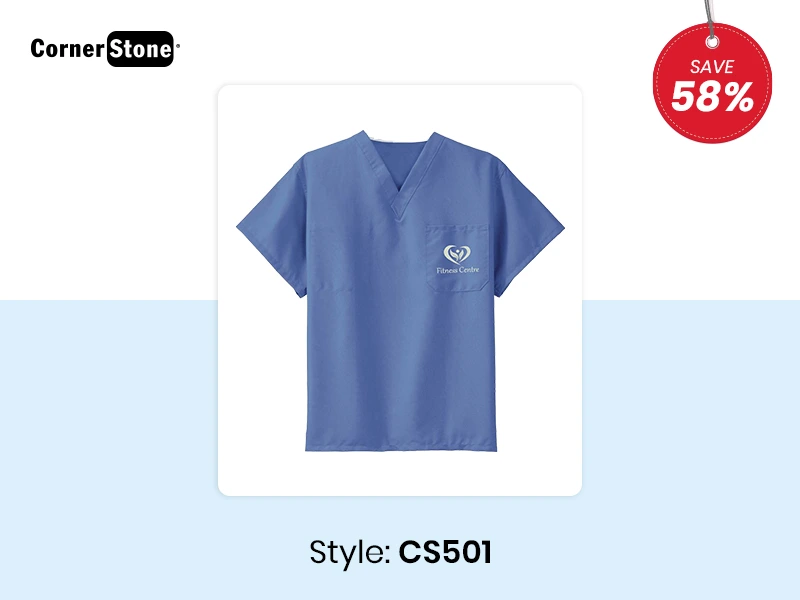
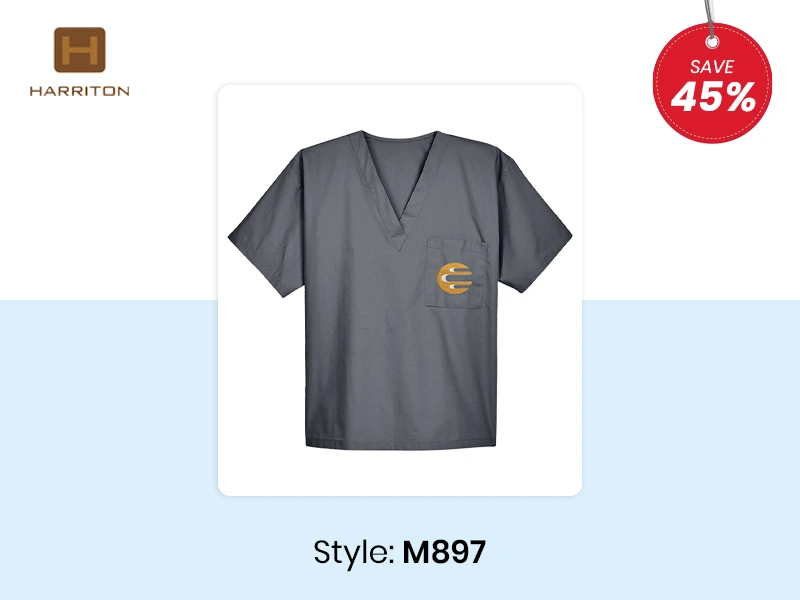
Just like office shirts, doctors use medical scrub tops every day. They’re comfy, stretchable, and usually have two front pockets to keep whatever gadgets or tools they need.
Most doctors want scrub top that stretch, hold their color, and last a long time. Hospitals also look for custom scrub tops so they can print their logos and keep the staff unified.

Medical Scrub Pants
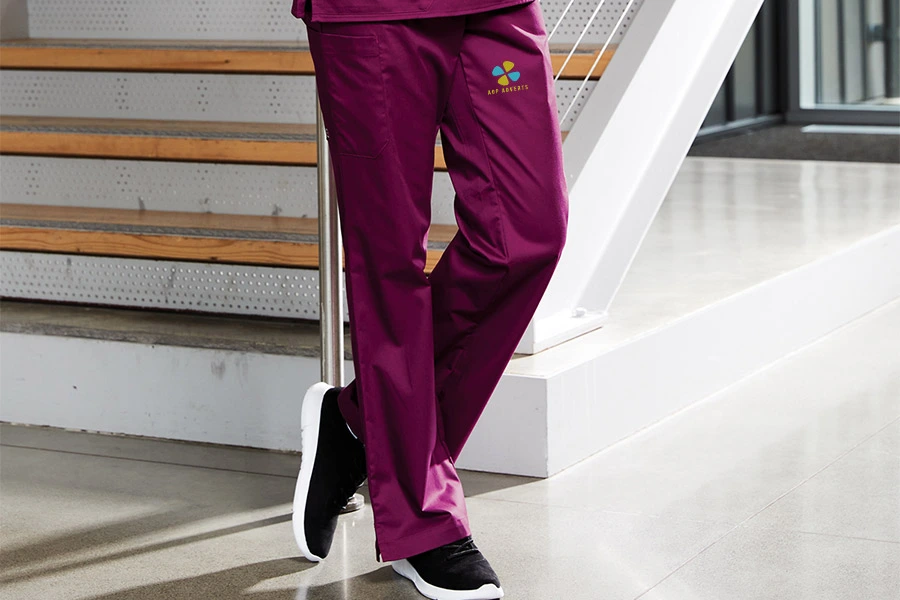
Doctors spend most of their working hours on their feet, moving from one patient to another and often rushing to handle emergencies. Because of this constant activity, regular pants aren’t practical, so they prefer lightweight and flexible scrub pants for better mobility.




Medical Lab Coats
How often do you see a doctor without a white lab coat? Not very often, because it’s like their “identity.” In clinics, OPDs, or any place where patients go for consultation, doctors usually wear a custom-made lab coat.
Since lab coats are worn daily, it’s important to get them in light, breathable fabrics like cotton. Otherwise, they can make you sweaty and uncomfortable during long hours of work.




Medical Scrub Jackets
Doctors use scrub jackets mostly in operation theaters or when doing procedures that need extra protection. They help keep uniforms germ-free and are easy to wipe down or clean with antibacterial solutions if needed.
Most scrub jackets are made from polyester, so they’re durable, lightweight, and ready for the long shifts where doctors are constantly on the move.



Medical Scrub Caps
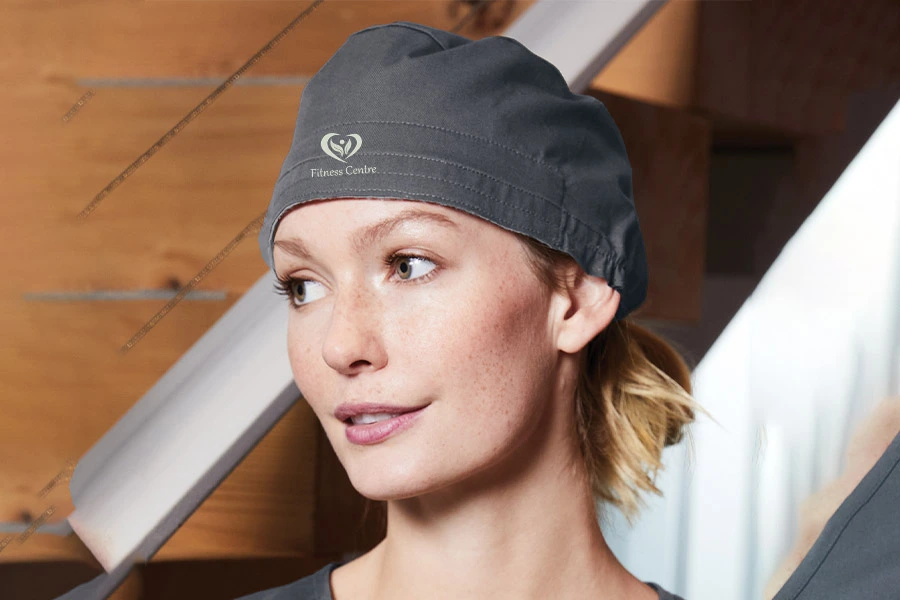
In all the moving and high-intensity work where focus is super important, hair can really get annoying. You know how your hair sometimes just won’t stay put? Same goes for doctors. That’s why they use scrub caps. They keep hair tucked away, stop germs from spreading, and make sure nothing distracts them while they’re seeing or operating patients.
Scrub caps keep hair out of the way and help doctors stay comfortable while working. That’s why they’re made to be lightweight, breathable, and easy to wash, so doctors can stay focused instead of fixing their hair.





Why Medical Uniforms Are Essential for Doctors
Quality medical staff uniforms protect both doctors and patients from germs, bodily fluids, and accidental spills. On top of that, clean, well-chosen fabrics help prevent cross-contamination between patients in hospitals.
On top of hygiene, hospitals often provide custom doctor’s uniforms for all types of medical doctors as well. It keeps the team looking professional, coordinated, and makes it easy to identify staff at a glance.
Shop Quality Scrubs and Medical Uniforms at ApparelnBags
We make sure medical staff uniforms are always durable and comfortable to make the doctor feel relaxed throughout the working hours. To ensure this, we only offer the medical staff uniforms form the trusted brands including Carhartt, Collegiate, WonderWink, and Dickies.
At ApparelnBags, we don’t just focus on delivering top-quality medical staff uniforms. We make the process as easy as possible for buyers. That’s why we offer customization services too. You don’t need to order first and send uniforms somewhere else for customization. We handle everything in one step, from making the scrubs to adding your logos or custom designs, all with a fast turnaround.
Types of Medical Doctors FAQ’s