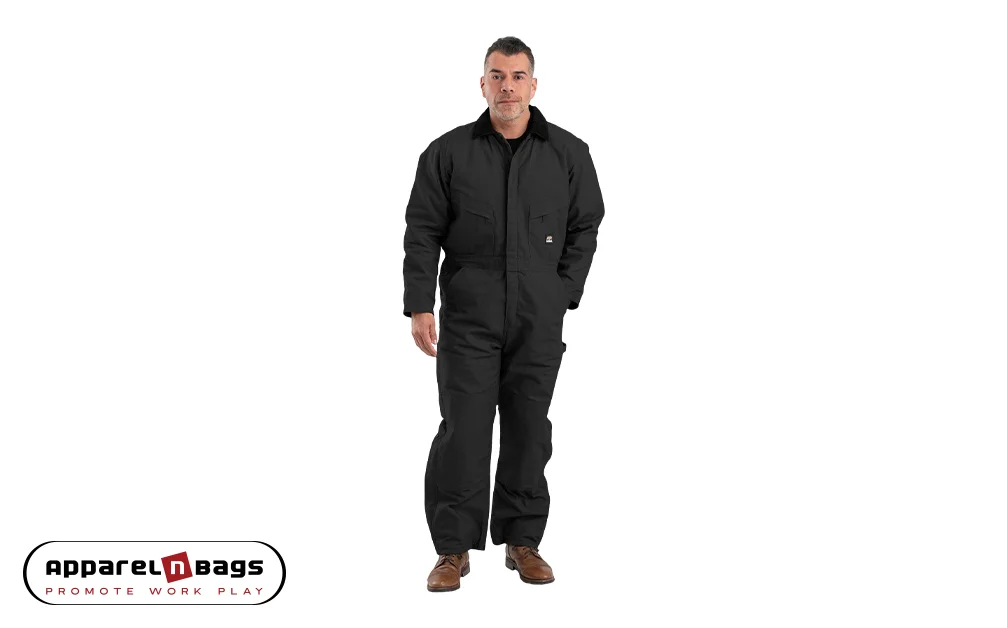

Hazmat suits are protective workwear outfits that protect individuals from hazardous materials, including chemicals, toxins, and other harsh substances by providing them full body coverage. Different types of hazmat suits offer different levels of protection against harmful elements. They help minimize the risks of contamination and potential health injuries, ensuring the overall well-being of individuals.
Moreover, in various conditions such as chemical spills, cleanups, and harmful material handling, hazmat suits are important to ensure the safety and protection of individuals working in these environments. But with a large number of options available, it can be tricky to choose the right types of hazmat suits following your industry requirements.
The blog explains everything you need to know about hazmat suits, different types of hazmat suits, and hazmat protection levels to help you get the best hazmat body suit. Let’s first explore what is a hazmat suit!
A Hazmat suit – also known as a hazardous materials suit – is an overall protective garment that acts as a barrier against harsh chemicals and substances while being worn by the wearer. A hazmat suit typically consists of a coverall, boots, gloves, and a hood to cover the entire face and body of the wearer. These suits prevent any interaction between the wearer and harmful elements. They are usually manufactured from non-porous synthetic fabrics to provide wearers with maximum protection.
Hazmat suits are typically made following the safety requirements in various industries such as oil and gas, chemical, and more. They are designed to be lightweight yet sturdy to provide enough protection to wearers. Hazmat suits are also used to withstand exposure to severe temperatures and elements while providing complete protection. Hazmat suits and PPE ponchos are easy to wear and maintain during a job, making them one of the best protective work gear.
A Hazmat suit – also known as a hazardous materials suit – is an overall protective garment that acts as a barrier against harsh chemicals and substances while being worn by the wearer. A hazmat suit typically consists of a coverall, boots, gloves, and a hood to cover the entire face and body of the wearer. These suits prevent any interaction between the wearer and harmful elements. They are usually manufactured from non-porous synthetic fabrics to provide wearers with maximum protection.


How Do Hazmat Suits Work?
A hazmat suit works as a protective barrier between a wearer’s body and hazardous elements. Hazmat suits are lightweight, breathable, and waterproof, and play an effective role in providing wearers the safety from corrosive substances and chemicals.
Therefore, choosing the right type of hazmat suit is crucial to safely navigate through the toughest of environments and unexpected incidents. Different types of suits have different hazmat protection levels which can be characterized by the type and quality of material used.
What Materials Are Hazmat Suits Made Of?
Hazmat suits are made from a variety of specialized materials based on their protective properties. However, the most common material that is used to manufacture hazmat suits is rubber or plastic which offers protection against chemical splashes and airborne particles.
The materials are carefully selected to ensure that the suits offer maximum protection against a range of hazards. Moreover, certain hazmat suits may incorporate multiple layers or laminates to enhance their protective capabilities, depending on the specific requirements of the environment or task at hand.
What Do Hazmat Suits Protect Against?
Hazmat suits provide protection against a wide range of hazardous materials, harmful chemicals, and environments. They help prevent them from coming into contact with the skin or being inhaled.
The United States Department of Homeland Security describes a hazmat suit as a full-body protective outfit made to protect individuals from dangerous materials like chemicals, germs, and radioactive substances.
In addition to that, they guard against biological hazards like viruses and bacteria, ensuring that no pathogens can enter the protective barrier. They also offer defense against radioactive substances, protecting the wearer from harmful radiation exposure. Hazmat suits are crucial in environments where individuals may encounter extremely dangerous situations such as radiation exposure and more.
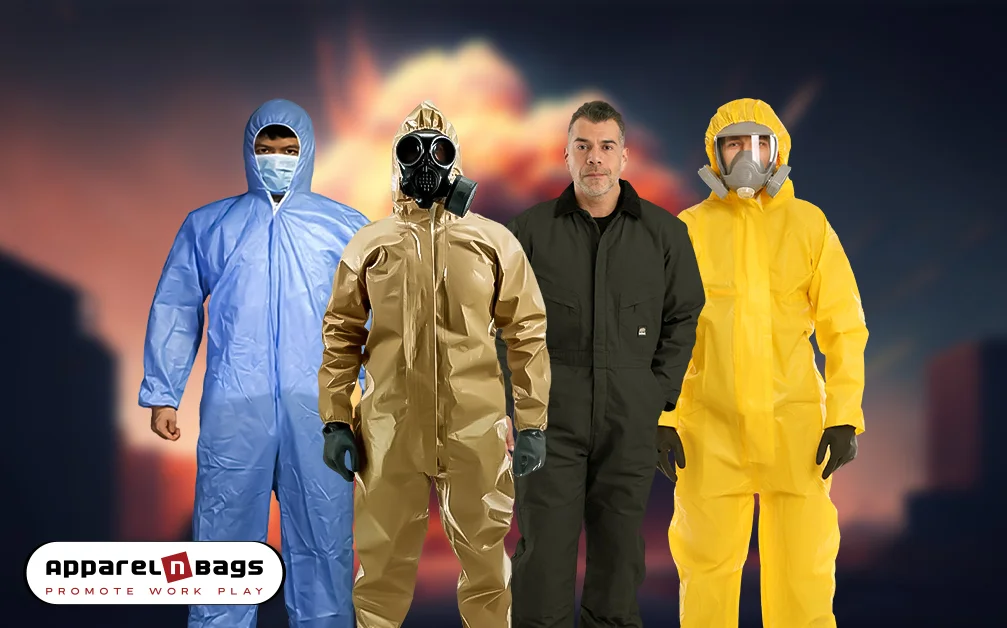
OSHA, the Occupational Safety and Health Administration, defines four different hazmat levels, each comes with different degrees of hazards. The four major types of hazmat body suits provide varying levels of protection depending on the hazard level involved.
Below is a breakdown of 4 different types of hazmat suits!
Level A Hazmat Suit
Level A Hazmat suits offer the highest level of defense against hazardous materials as compared to other hazmat suits levels. These hazmat suits are made to protect the wearer from the most severe hazards. This might include highly toxic chemicals
or other external substances such as solid, liquid, and gaseous chemicals. Made with specialized materials such as flame-resistant, level A hazmat suits are worn by emergency workers at places with oil spills or nuclear incidents, doctors who treat patients exposed to harmful substances, and people who work with dangerous chemicals in factories.
These suits also guard against things like blood or virus-filled sprays that could be at crime scenes or during medical procedures, making them one of the best types of hazmat suits.
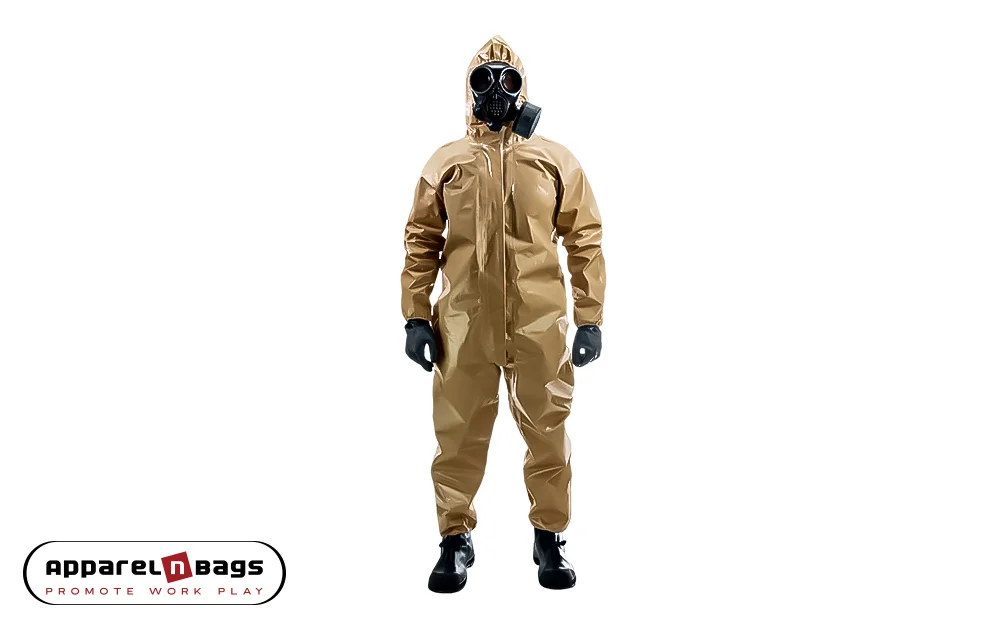
Level B Hazmat Suit
Level B hazmat suits are considered the second best in levels of hazmat suits made to offer solid protection while being a bit
more flexible than Level A suits. These suits are made from durable materials to effectively protect workers from various hazardous substances, including chemicals and biological agents. Level B hazmat suits feature specialized respirators to ensure safe and easy breathing for the wearer.
Level B hazmat suits are one of the best options for providing effective protection as well as ensuring ease of movement so wearers can perform their tasks without any hassles.
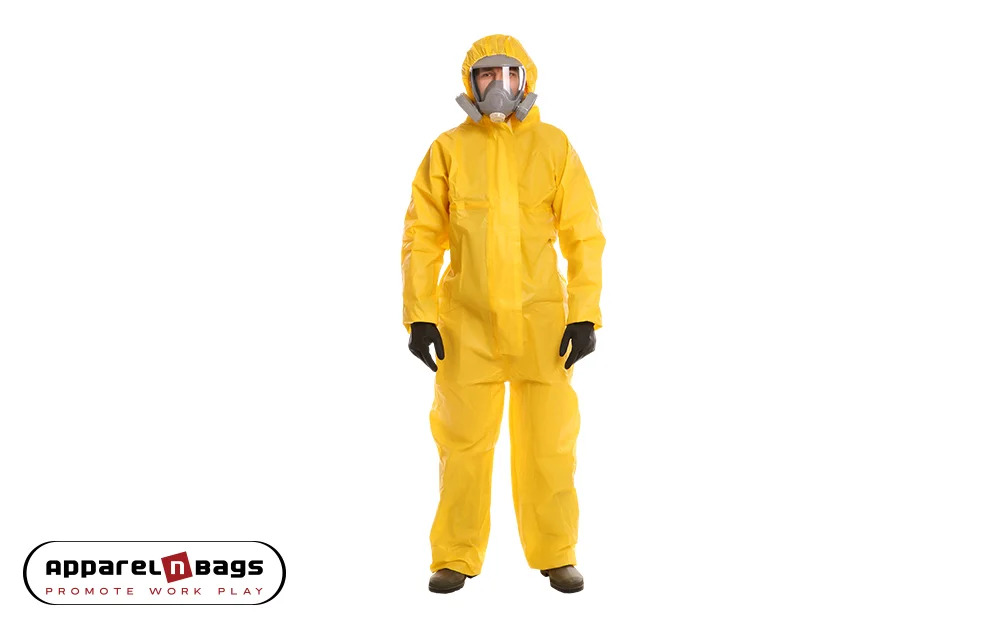
Level C Hazmat Suit
Level C hazmat suits offer the same level of skin and body protection as level B. However, it offers a lower level of respiratory protection. Level C hazmat suit falls under the levels of PPE hazmat suits that offer enough protection from liquid splash but
lower protection from chemical vapors and gaseous chemicals. Typically, this type of hazmat suit includes a respirator mask and is made from durable materials that provide a barrier against harmful substances.
In addition to that, Level C hazmat suits offer more flexibility and comfort compared to Level A and Level B hazmat suits. Level C hazmat suits are suitable for many hazardous environments, providing essential protection for workers in various industries.
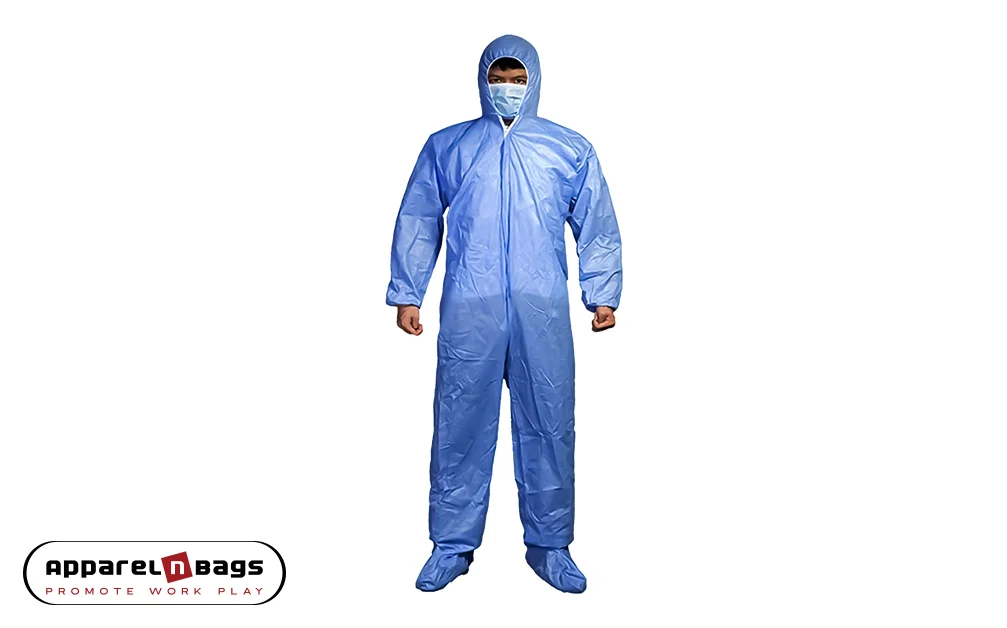
Level D Hazmat Suit
Level D hazmat suits fall under the levels of hazmat PPE that act as workwear uniforms with a little more protection level for wearers. Moreover, this type of hazmat PPE is typically simple coveralls made from less protective materials and does not
offer a This type of hazmat suit provides protection from immersion, splashes, chemicals, and direct contact with hazardous elements.
While they may not be suitable for environments with known or potentially hazardous exposure, Level D suits still serve a purpose in situations where minimal protection is required, such as general cleanup or maintenance tasks where the risk of exposure is low. higher level of hazmat protection.