

Every day, from busy streets to trade shows and corporate events, we see different types of banners. Because they play a crucial role in grabbing attention and boosting brand visibility. But not all banners are created equal.
From years of designing, producing, and analyzing 500+ campaigns across industries, we’ve learned what makes a banner truly effective. The right type of banner can mean the difference between a message that gets noticed and an investment that goes unnoticed. Using the wrong material, size, or format can dilute your impact and waste valuable marketing resources.
In this guide, we break down the key types of banners, their advantages, and the environments where each delivers the highest impact. This helps you choose banner formats that maximize visibility, engagement, and marketing return.
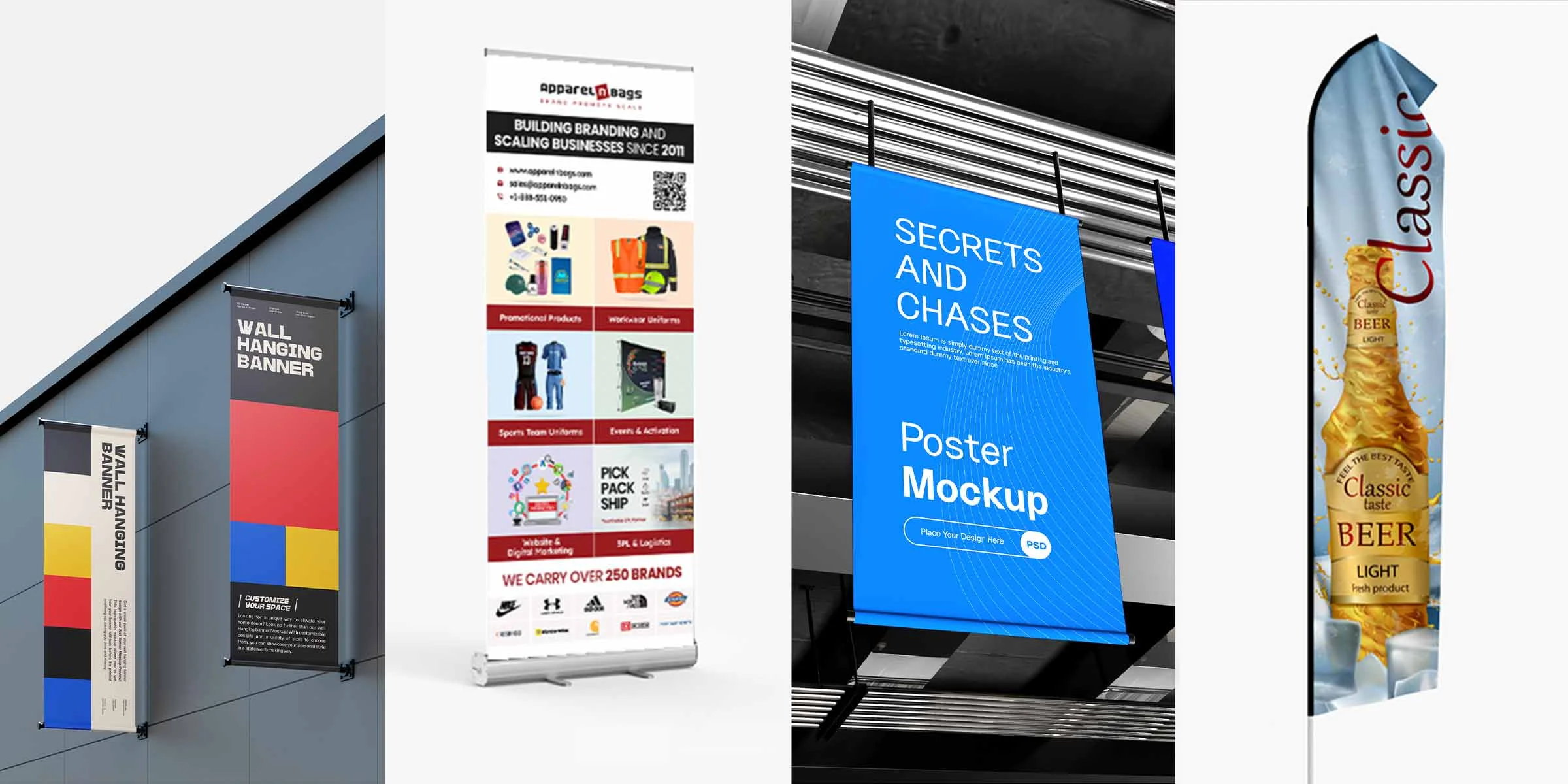
What Are the Different Types of Banners?
Banners effectively convey messages at exhibitions, retail locations, and promotional events when properly matched to the environment. Our hands-on testing across 200+ installations proves that banners selection impacts campaign performance more than graphic design. Fabric type, size, shape, and finishing all play a role in how noticeable and durable a banner is in real-world use.
Below, we break down the different types of banner designs, explain where each works best, and help you choose the right option for your specific use.
Types of Outdoor Banners for High Visibility
In outdoor marketing, banners are typically installed on building exteriors, fences, and roadside billboards. Out there, they face direct sunlight, rough weather, and the occasional downpour. For this reason, we recommend using weather-resistant materials such as PVC vinyl, mesh, and vinyl for banners. They keep your message clear and visible, no matter the conditions.
Vinyl Banners
In our client surveys, 78% of B2B buyers prioritize durability as the primary outdoor banner requirement. Without proper materials, UV degradation and moisture damage can compromise banner visual within 30-90 days. For these conditions, we recommend vinyl banners made from polyvinyl chloride. These materials makes them excellent water resistance and UV protector.
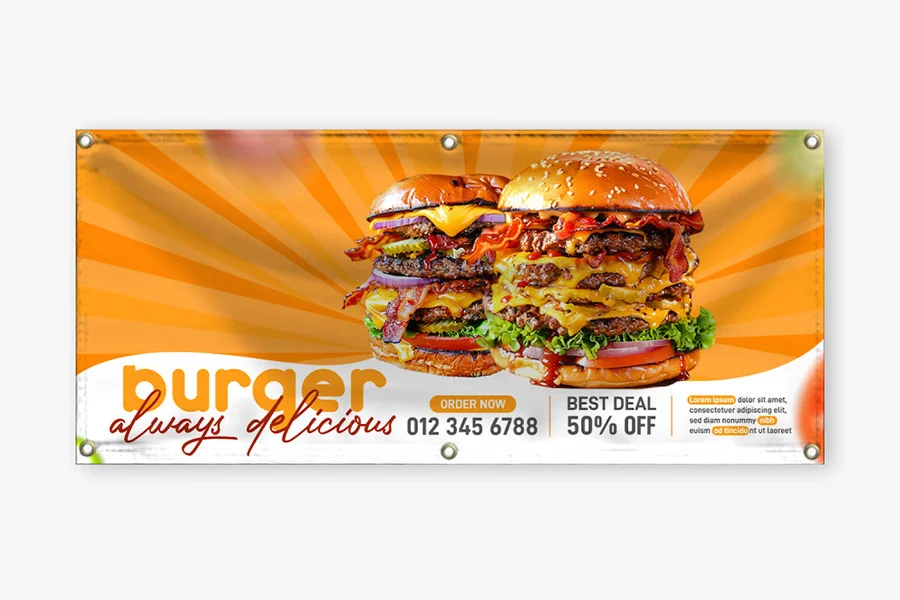
Plus, vinyl’s smooth surface supports high-resolution digital printing up to 1440 DPI. This ensures sharp text visibility even from nearby viewing distances, which is critical for trade show environments. When you use vibrant full-color graphics, they retain up to 85% of their color even after years of sun exposure.
When to Use:
- B2B outdoor advertising at industrial facilities and warehouses
- Trade show outdoor spaces and parking lot directional signage
- Building wraps for long-term corporate branding campaigns
- Street-facing walls for maximum brand visibility to passing traffic
- Construction site branding that requires banners to resist debris and damage
When to Avoid:
- Premium B2B corporate events
- Situations requiring daily repositioning
- Environmentally conscious B2B clients
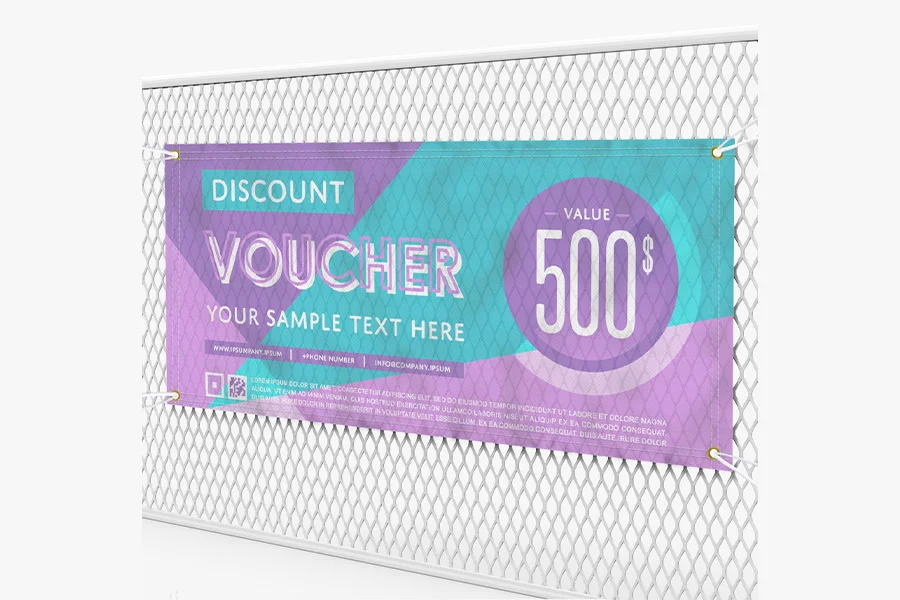
Mesh Banners
Mesh banners are also made from vinyl, but they are designed to stay put even when the breeze picks up. They contain 40–60% vinyl with a 9-ounce polyester scrim sandwiched between the layers. In addition, tiny 1mm holes allow air to pass through, making these banners ideal for coastal or windy areas. Those little openings reduce the “billowing” effect, keeping the banner in place and fully visible.
When to Use:
- Bridge and overpass advertising
- Coastal locations with sustained sea breezes
- Large-format B2B outdoor installations exceeding 100 square feet
When to Avoid:
- Close-up viewing situations where holes become visible
- Indoor displays where wind isn’t a concern
- Locations requiring maximum color vibrancy
Feather Flags
Clients usually associate feather flags with coastal activities or car racing events. But feather flags are perfect for rooftop spaces like restaurant patios, real estate offices, promotions in cruise, or fitness centers. Feather flags hold their three corners taut, letting the wind flow through. This movement makes them 3–5 times more attention-grabbing than static signs.
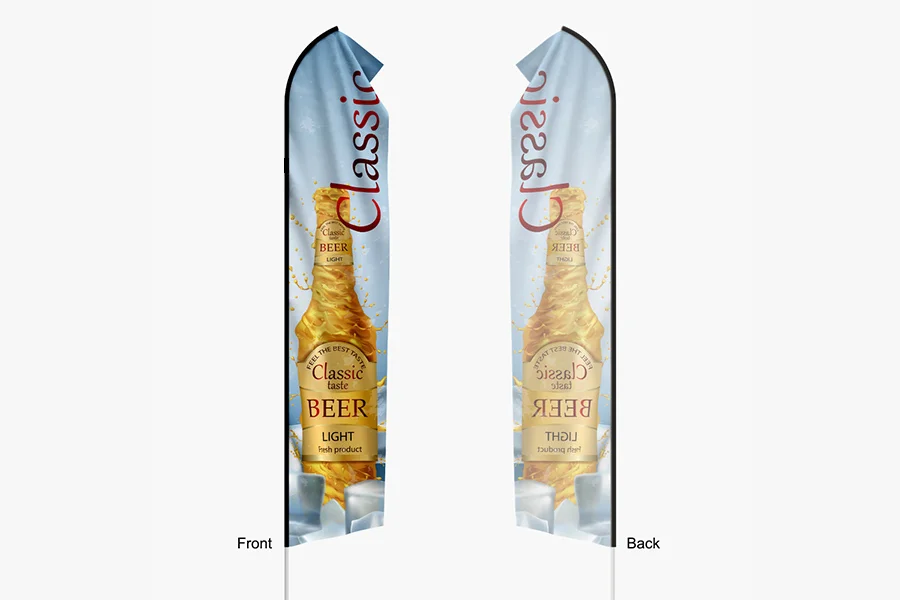
They’re made from 4-ounce polyester knit fabric, and use dye-sublimation printing that penetrates the fibers. This gives them scratch resistance and long-lasting color vibrancy.
When to Use:
- Beach and park events where portability matters
- Outdoor corporate events and company picnics for wayfinding Grand openings and promotional campaigns lasting 2-6 months
- Exhibitions in open areas, such as parks and office complexes, for directional branding.
When to Avoid:
- Indoor venues with low ceilings
- Locations with strict zoning regulations
- Locations with strict municipal signage ordinances limiting heights
Types of Indoor Banners for Displays and Events
Indoor banners are commonly used for B2B marketing campaigns and sharing information. They don’t have to withstand outdoor weather. So businesses usually choose banners that look more polished and professional rather than super durable.
Below, we break down the different banner designs for indoor use. Also, explain where each works best, helping you choose the right option for your marketing goals.
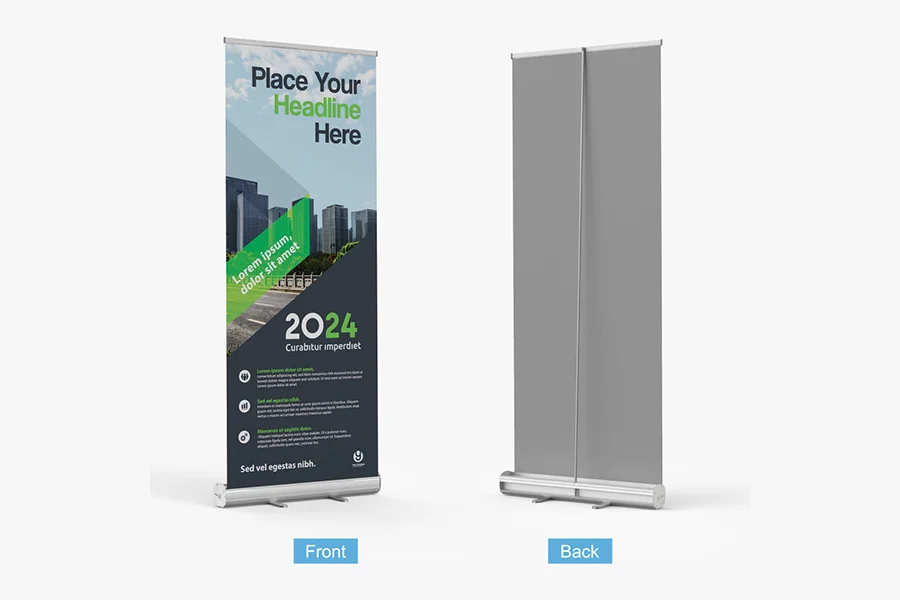
Plus, these banners come with telescoping poles. They adjust between 79 and 95 inches. That flexibility makes them work across different venues. Clients from hotel ballrooms to large convention centers, use them because they do not need to buy separate display systems.
When to Use:
- Hotel lobby promotions
- Corporate reception areas
- Retail point-of-purchase displays
- Trade show booths and exhibitions
- Conference presentations and networking events
When to Avoid:
- Outdoor environments where wind causes instability
- Extremely large spaces requiring oversized graphics
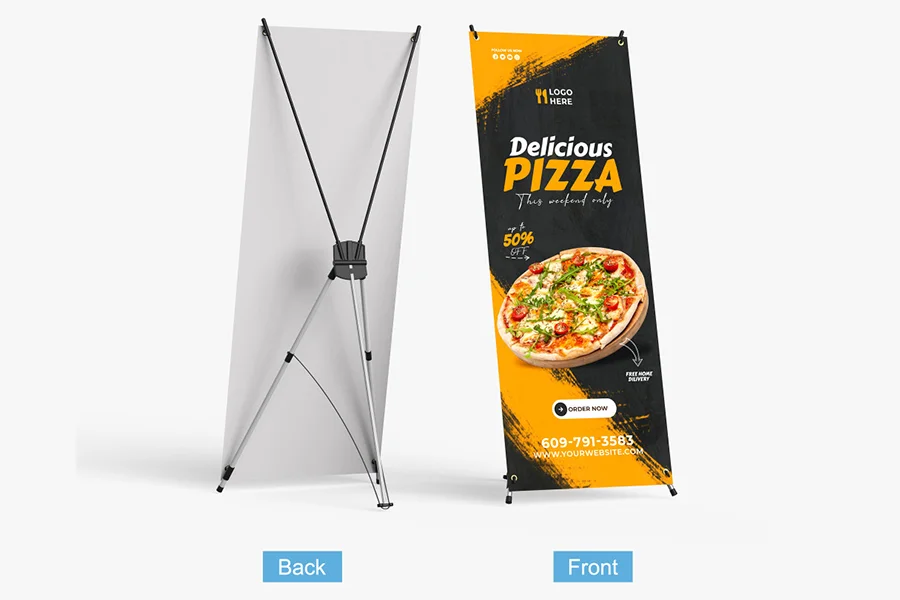
The X-shaped frame expands from about 24×63 inches to 31×71 inches, depending on the model. Corner hooks or elastic pockets hold the vinyl or fabric graphic in place. This shape keeps the banner tight, making the text easy to read.
Because of the low cost and easy portability, startups often use X-stand banners for marketing. They are also common at hotels, trade shows, and business exhibitions where quick setup and budget matter.
When to Use:
- Budget-conscious marketing campaigns
- Short-term indoor promotions
- Small booth spaces at events
When to Avoid:
- Outdoor environments
- High-traffic areas where stability matters
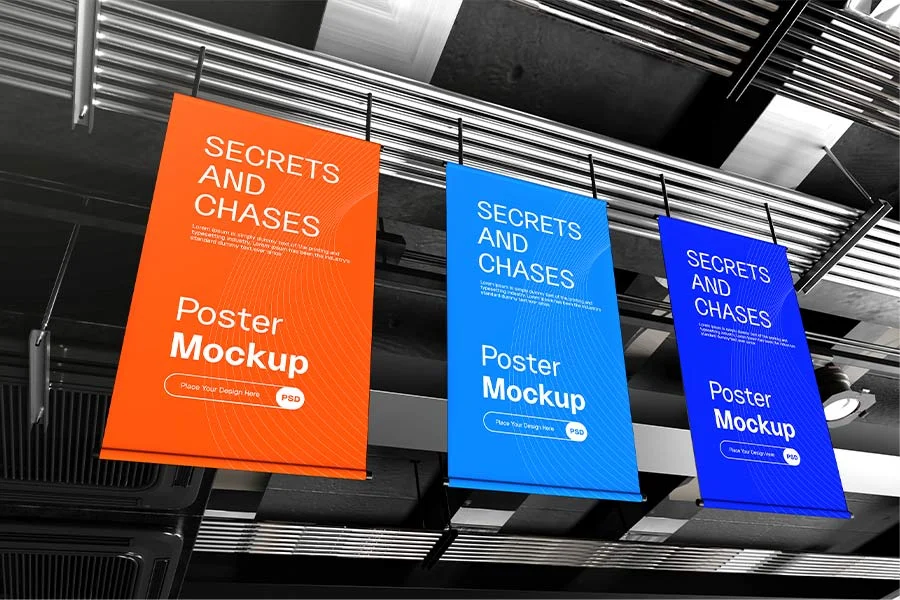
Hanging Banners
Use these custom banners for building brand awareness, announcing new services, or promoting a grand opening. They hang from the ceiling and often feature printing on both sides, so client message stays visible from multiple directions.
Hanging banners are a smart choice for large indoor spaces. They boost visibility without taking up valuable floor space, making them ideal for malls, exhibitions, and event halls.
When to Use:
- Shopping malls and airports
- Retail stores with high ceilings
- Corporate lobbies and atriums
- Convention centers and exhibition halls
- Sports arenas and entertainment venues
When to Avoid:
- Small spaces where banners take up too much area
Hanging & Wall-Mounted Banners
These banners work well for businesses with limited floor space. They can hang from ceilings or mount on walls using tension rods, adhesive strips, magnetic attachments, or aluminum frame rails. This makes them easy to install and simple to adjust when needed.
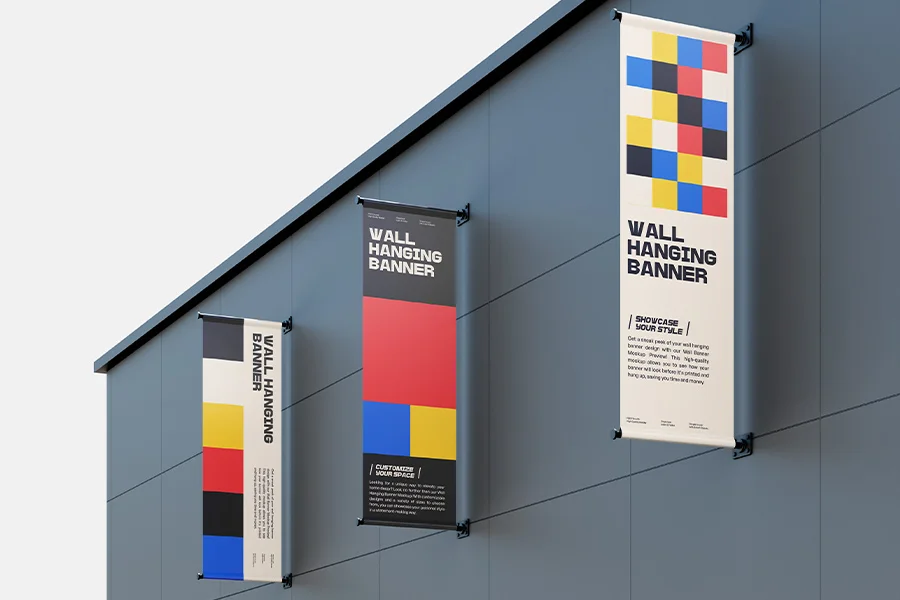
Wall-mounted banners are especially useful for retail stores running seasonal promotions. Removable adhesive strips can support up to 16 pounds, which allows staff to swap graphics without damaging the walls. The flat, wrinkle-free display also creates a clean backdrop that helps products stand out and encourages buying.
When to Use:
- Corporate office branding
- Museum and gallery exhibitions
- Educational institution hallways
- Retail store interiors and window displays
- Restaurant and hospitality environments
When to Avoid:
- Locations requiring maximum portability
- Temporary events requiring frequent changes
Fabric Backdrop Banners
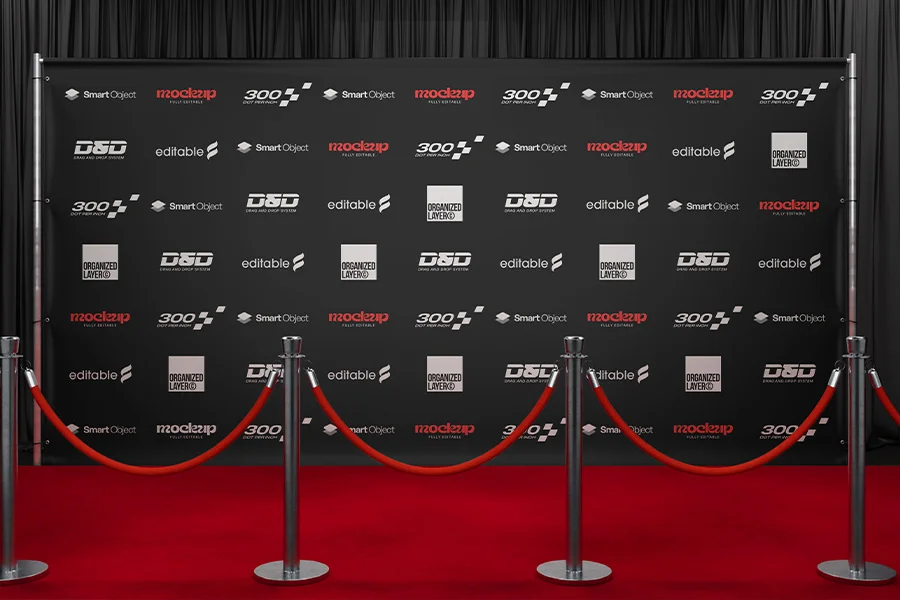
At corporate events like trade shows, there’s usually a dedicated spot where people stop to take photos with the company logo in the background. Fabric backdrop banners are commonly used for this purpose. These banners stretch neatly over lightweight aluminum tube frames and attach using fabric sleeves, zippers, or hook-and-loop fasteners. The setup stays visible and impactful.
Corporate teams often use fabric backdrops for press conferences and executive announcements. With print resolution of up to 1200 DPI, logos and text stay sharp on camera. They look clear on live streams and hold up well on broadcast screens too. That level of clarity makes these types of banners a strong choice for media-focused events.
When to Use:
- Photo booths and red carpet events
- Press conferences and media backdrops
- Wedding receptions and social gatherings
- Corporate presentations and award ceremonies
- Streaming and video production backgrounds
When to Avoid:
- Budget-constrained projects where vinyl costs less
- Locations without adequate space for frame assembly
Step and Repeat Banners
Step-and-repeat banners feature repeated logos or graphics across the entire surface. This layout makes them one of the most effective types of advertising banners, keeping your brand visible from every angle. No matter where someone stands, your logo shows up in the photo.
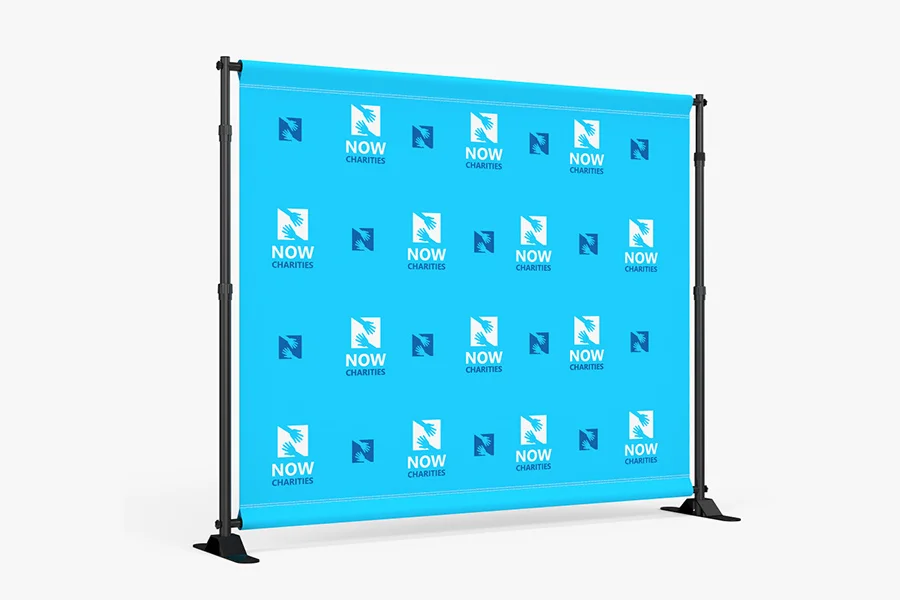
Businesses use these kinds of banners at events where media coverage and social sharing matter most. They help keep branding consistent across press photos, red carpets, and guest pictures.
When to Use:
- Charity galas and fundraisers
- Corporate anniversary celebrations
- Awards ceremonies and recognitions
- Social media-driven marketing events
When to Avoid:
- Events where photography isn’t emphasized
- Outdoor events without weather protection
Specialized Types of Banners for Marketing and Events
You now have an understanding of the different types of banners and their specialties. Below, we’ve listed which banner types work best for specific events. These banners are designed to meet the specific needs of different industries.
Trade Show Banners
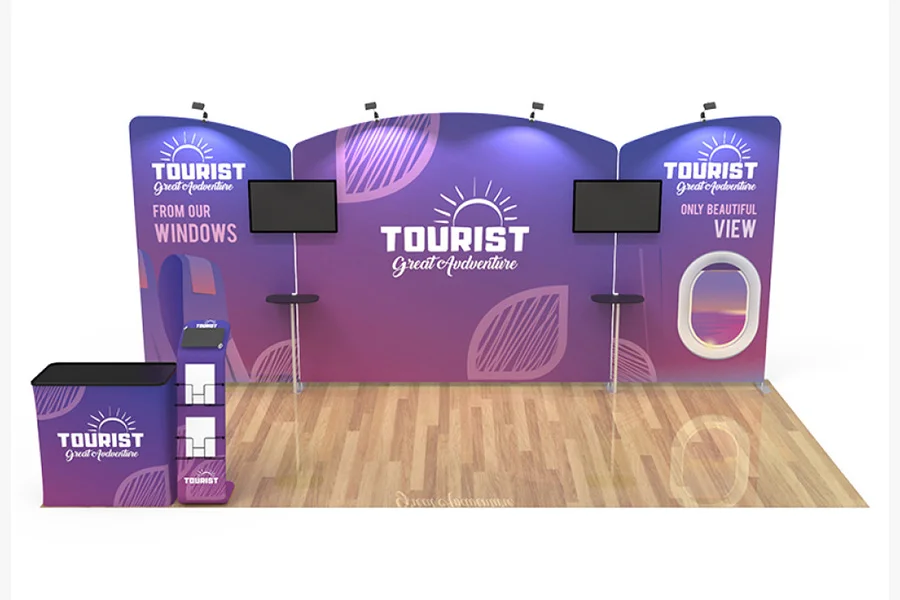
At trade shows, you need the right branding banners types. They differentiate booth presence in high-density exhibition floors averaging 400-600 exhibitors. The right type of banner catches eyes, sparks curiosity, and pulls attendees toward your space.
Popular options for this include table throws, backlit displays, and modular systems. These banners are built to handle repeated setup and teardown. They keep looking sharp and professional throughout the event.
When to Use:
- B2B marketing events
- Networking conferences
- Exhibition booth branding
- Industry exhibitions and trade shows
- Product demonstrations and launches
When to Avoid:
- Small-scale local events
- Permanent retail installations
- Outdoor promotional campaigns
Event & Conference Banners
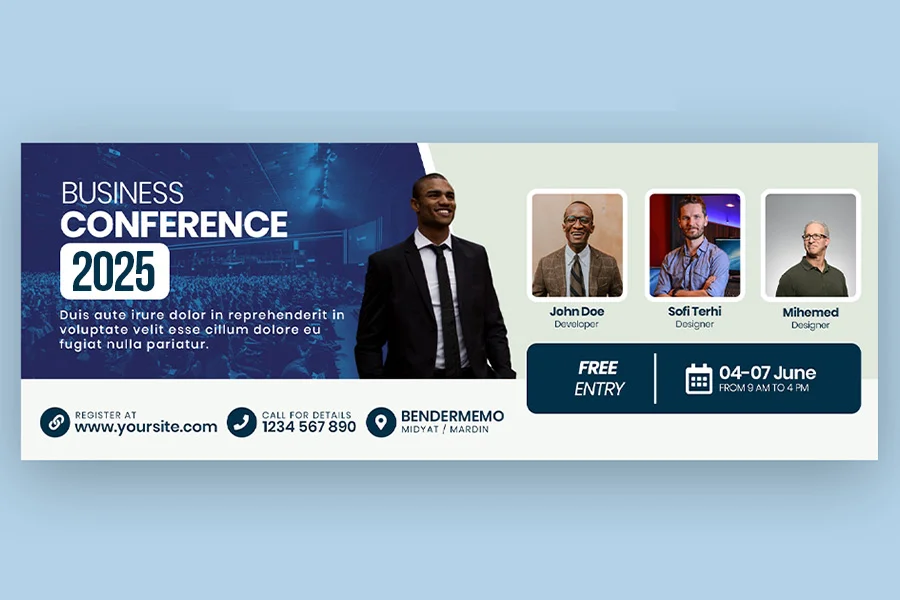
The main purpose of event and conference banners is to provide clear guidance in large, multi-session events such as trade shows and exhibitions. They act as clear wayfinding systems, guiding attendees through multi-track conferences. Without them, participants can easily get lost or frustrated in venues hosting 10–50 breakout sessions across hotels or convention centers.
When to Use:
- Corporate training sessions
- Networking events and meetups
- Conference room branding
- Multi-day conferences and conventions
- Educational seminars and workshops
When to Avoid:
- Limited budget
- Casual gatherings without formal branding needs
- Outdoor events requiring weather resistance
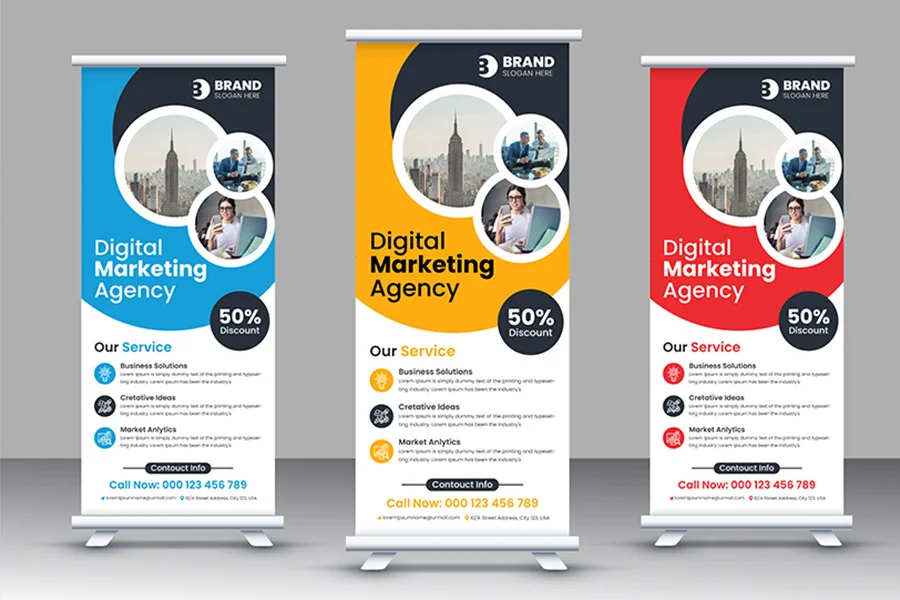
Promotional & Marketing Banners
Promotional and marketing banners support specific campaign goals, such as sales, grand openings, limited-time offers, or seasonal promotions. They feature bold calls-to-action, pricing, and eye-catching graphics to drive an immediate response. These kinds of banners are temporary by design and focused on conversion.
When to Use:
- Grand opening celebrations
- Seasonal marketing pushes
- Product launch announcements
- Flash sales and limited-time offers
- Retail sales and promotional campaigns
When to Avoid:
- Investor meetings or executive offices
- Luxury retail stores or premium showrooms
To Choose the Right Banner Type?
Banners come in different types. Some work best on roads, while others are perfect for conference rooms. For every situation, you want a banner that clearly shows your message without costing too much. To do that, it is better to know the right factors that make a banner effective and affordable. Below, we’ve listed these factors so you can pick the banner type that works best for your project.
- Material Selection: Outdoor applications require UV-resistant and weather-rated materials (13-18 oz vinyl, mesh).
- Durability & Weather Resistance: Banner printing is an investment, so the fabric needs to last. Choose materials that resist sun, rain, wind, and temperature changes. The colors should stay bright and bold without fading, even after long exposure to UV exposure, rain, wind, and temperature.
- Print Quality & Color Retention: Color contrast ratios of 4.5:1 or higher ensure readability at viewing distances of 15+ feet. Make sure your printing is sharp, with crisp text and bright and bold images. For outdoor banners, UV-resistant inks are a must to stop the sun from turning your colors dull.
- Cost-Effectiveness: Every type of banner has its own specialty and performs best in the right setting. Before buying a random banner, take a moment to figure out what you really need. Picking the right type of banner for the job saves money and avoids wasted spending.
Choose the Right Banner Size for Every Event
| Banner Size (WxH) | Common Use | Best Placement | Ideal For |
|---|---|---|---|
| 2 ft × 4 ft | Small promotions | Tables, counters | Product launches, indoor signage |
| 3 ft × 6 ft | Standard banners | Walls, fences | Sales, brand awareness |
| 3 ft × 8 ft | Vertical displays | Indoor stands | Events, storefronts |
| 4 ft × 8 ft | Medium advertising | Outdoor walls | Business promotions |
| 4 ft × 10 ft | Large banners | Building exteriors | Grand openings |
| 5 ft × 10 ft | High-visibility banners | Outdoor fences | Seasonal campaigns |
| 6 ft × 12 ft | Extra-large banners | Outdoor venues | Festivals, concerts |
| 8 ft × 8 ft | Backdrop banners | Event booths | Trade shows, media walls |
| 8 ft × 10 ft | Step-and-repeat | Photo areas | Brand exposure |
| 10 ft × 20 ft | Oversized banners | Large venues | Major events, exhibitions |