

Different types of backpacks like laptop backpacks, hiking packs, travel backpacks, tactical backpacks, all look kind of similar. But once you start using them in real life, the differences become very clear.
- Some look spacious but barely fit essentials.
- Some feels heavier to your shoulders after 20 minutes.
- Some claim to be travel-friendly but don’t meet carry-on limits.
So instead of just listing backpack types, we spent time actually using them, so you know what types of backpacks you should buy in 2026.


Here’s How We Tested All Types of Backpacks:
- We traveled with them.
- We carried them to work.
- We loaded them with weight.
- We used them on short hikes.
We tested zippers, straps, padding, compartments, and comfort level of different types of backpack styles. So, without further ado, get into the guide to know different types of backpacks, who they’re really for, and what we learned after real-world use.
Backpack Types for Everyday Use
Not all backpacks are designed for everyday use, and for the same purpose. A hiking backpack distributes weight through your hips whereas a laptop backpack protects your tech. A travel backpack makes your good companion for long trips and a sling backpack allows you quick access during travels.
Choosing the wrong backpack type might lead to:
- Shoulder pain
- Limited storage
- Faster wear and tear
- Poor weight distribution
Understanding the different types of backpacks helps you match the bag to your real-time use and have your peace of mind!
Standard Daypack
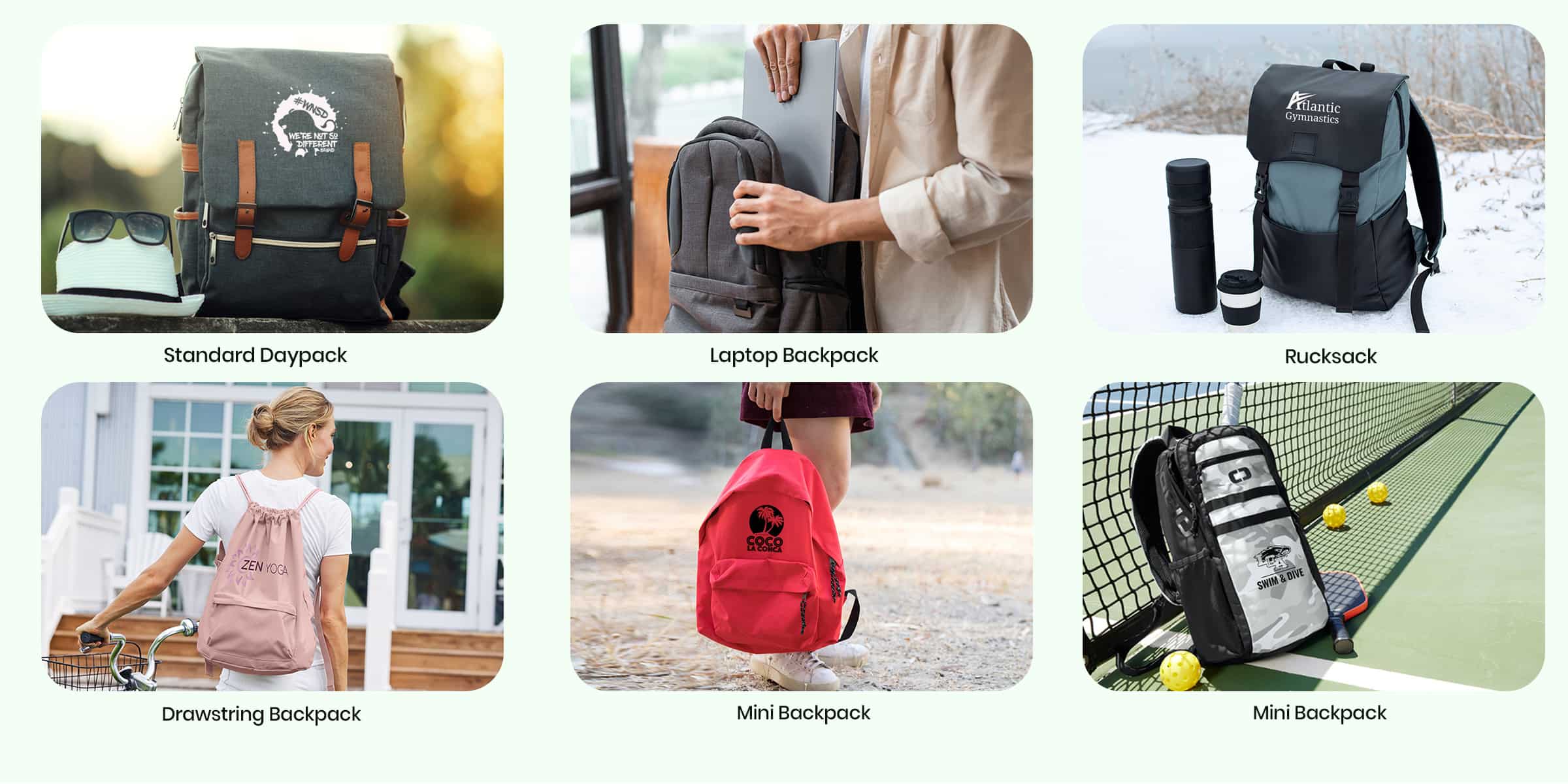
The standard daypack is easily the most common option among different types of backpacks, and for good reason. With a typical capacity between 18L and 25L, it comfortably handles daily essentials like books, a light jacket, and a water bottle.
We spent full workdays carrying standard daypacks in the 18L–25L range. We loaded them with everyday items like notebooks, lunch box, and tech items. Padded mesh back panels made a noticeable difference in airflow and long-wear comfort.
Strength
- Affordable
- Lightweight
- Easy to use daily
Why We Love It
Simple, lightweight, and practical.
Limitations
- Can sag under heavy weight
- Not laptop-protective
Laptop Backpack
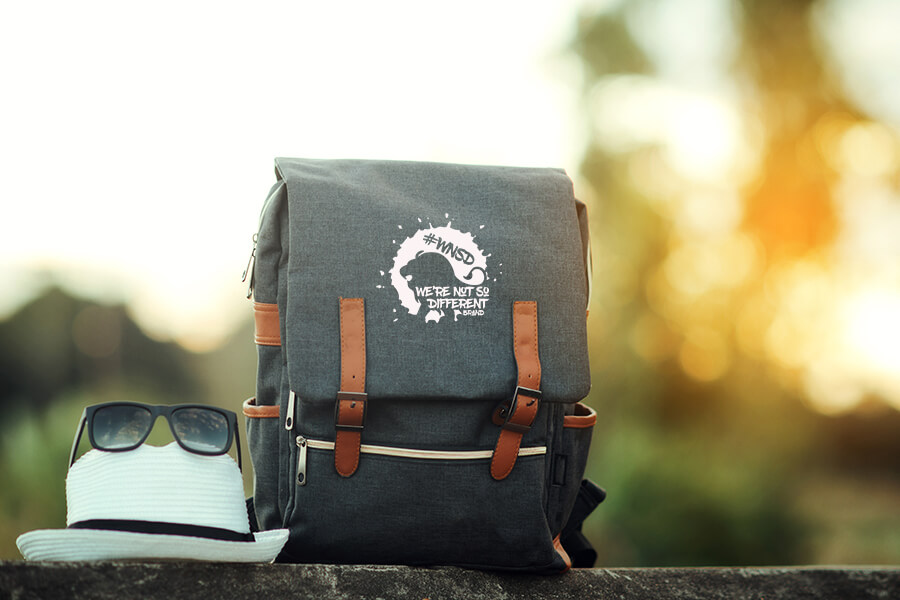
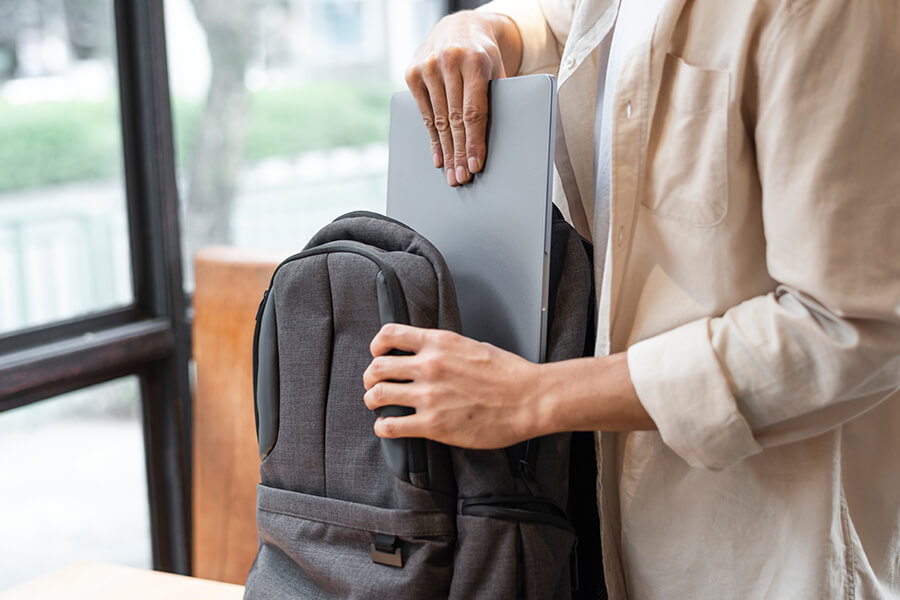
Among all types of backpacks designed for everyday use, the laptop backpack stands out for structure and protection. A properly designed model includes a padded and elevated sleeves so your device doesn’t get damaged when the bag is placed on the ground.
We carried a few laptop backpacks during regular office commutes, loading them with a 15-inch laptop, charger, and daily essentials. The biggest difference came down to padding and structure.
Models with elevated laptop sleeves prevented impact when setting the bag down. While poorly padded designs felt like regular backpacks.
Why We Love It
Tech protection make daily commuting easier
Strength
- Highly durable
- Organized tech storage
- Padded laptop compartment
Limitations
- Slightly higher cost
- Heavier than basic daypacks
Rucksack
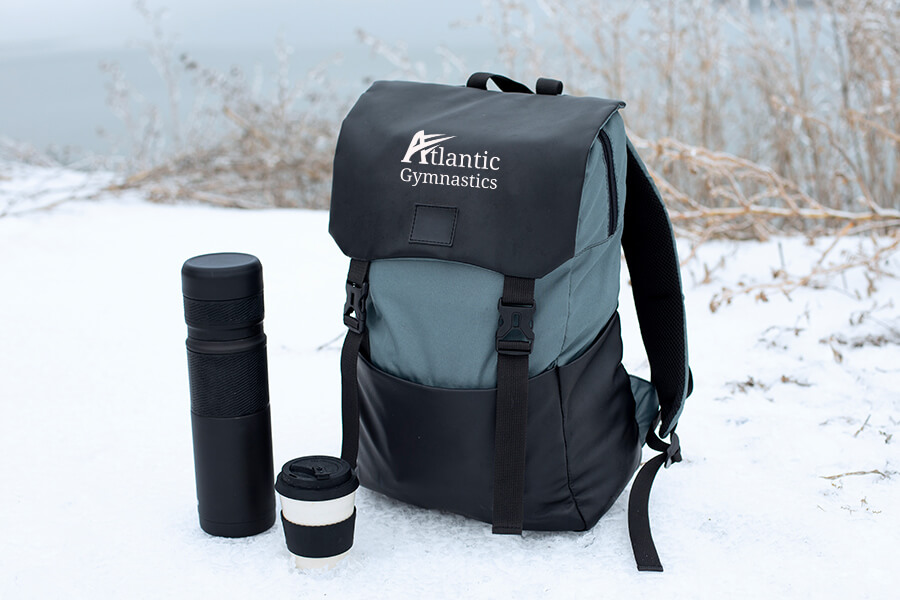
Often made from canvas or heavier synthetic fabrics, rucksacks are durable and large-capacity kinds of backpacks. They are good for carrying heavy loads over long distances. However, they do add extra weight compared to lighter materials.
Our team tested several rucksacks by carrying them on short city walks to see how practical they really feel. The large open compartment makes packing simple at first but once fully packed, finding smaller items at the bottom takes more time compared to zippered designs.
Strength
- Stylish design
- Durable materials
- Spacious central compartment
Why We Love It
Large open storage works well for clothes and other essentials during trips.
Limitations
- Heavier fabric options
- Not ideal for tech carry
Drawstring Backpack
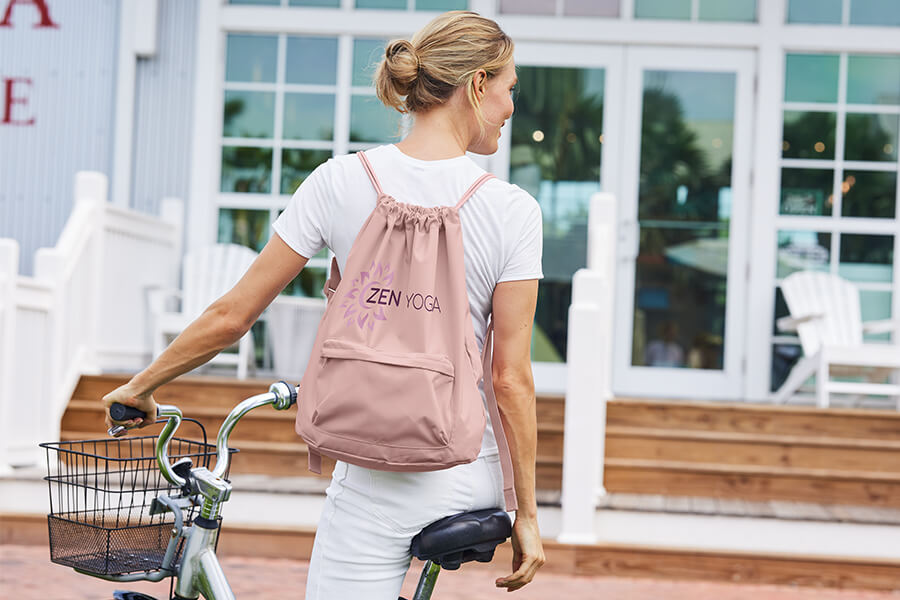
The drawstring backpack is one of the most common among different types of backpack bags. It is designed for short-term use rather than heavy daily carry. It stands out among all types of backpacks as it is portable and folds flat.
We used drawstring backpacks for gym sessions to see whether or not they will work for us. We observed they are the most lightweight types of backpack. And, the best part is that they are easy to fold away when not in use.
Why We Love It
Budget-friendly and ultra-light.
Strength
- Highly affordable
- Easy grab-and-go
- Compact storage
- Extremely lightweight
Limitations
- No padding
- Minimal security
- Less weight distribution
Mini Backpack
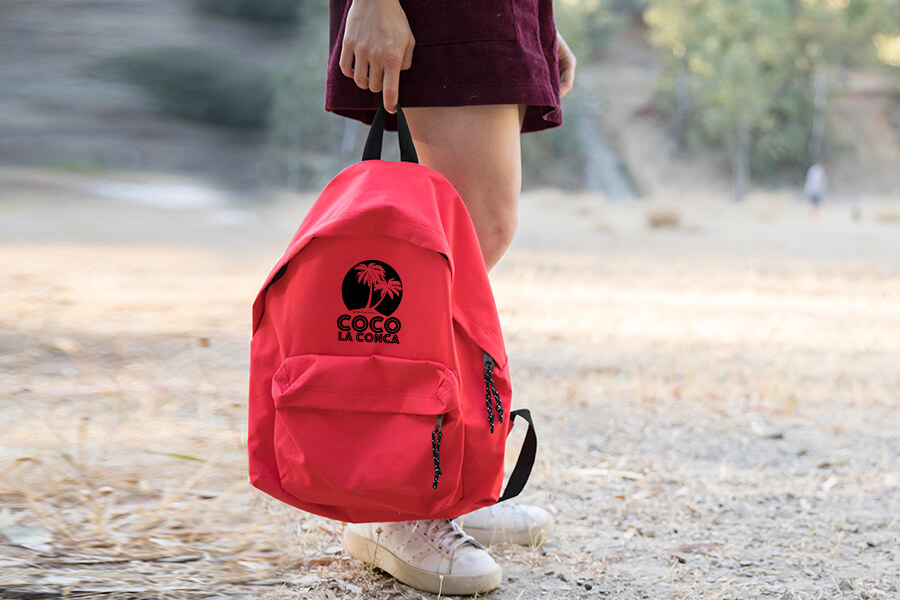
Mini backpacks are more of compact, lightweight, and ideal when you only need some space to keep your essentials safe and secure. While they look good and easy to carry, the only limitation is that the storage is pretty limited. Also, the smaller straps aren’t designed for heavier loads.
We tested mini backpacks during light-carry days. We found out they perform best when used for light carry situations. Their compact design works well when you keep packing minimal.
Strength
- Compact
- Lightweight
- Easy to carry
- Fashion-forward
Why We Love It
Perfect for light outings without shoulder strain
Limitations
- Thin straps
- Limited storage
Sling Backpack
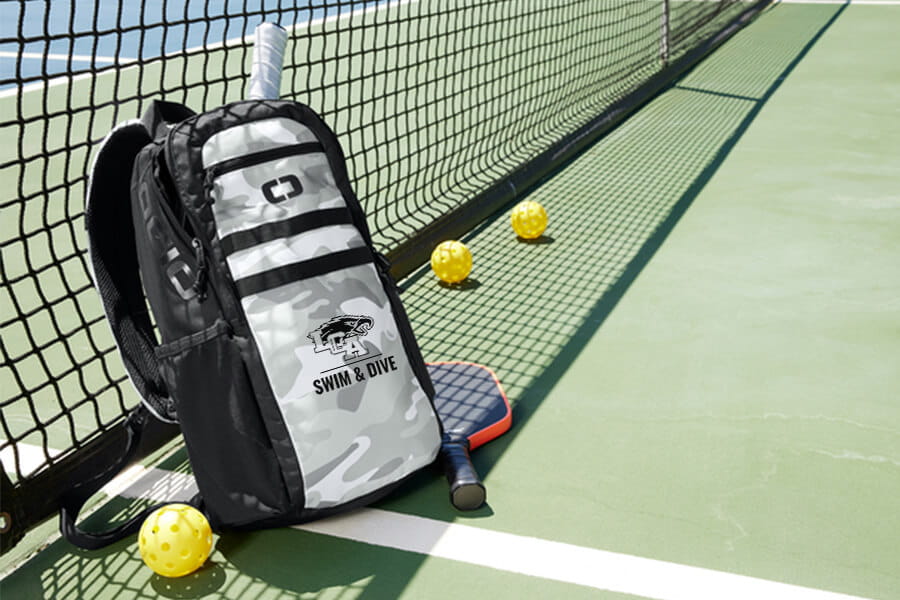
We took sling backpacks with us for daily use and we observed that the ability to slide the bag from back to front makes it very convenient for the user. For light gear, the single-strap design feels pretty good.
However, when we pack it with more items, the weight gets on one shoulder, which becomes uncomfortable. Sling backpacks work best when you pack smart and keep the load minimal.
Why We Love It
Easy access without removing the bag completely.
Strength
- Compact
- Quick access
- Travel-friendly
- Good for light gear
Limitations
- Not for heavy loads
- Less balanced carry
Sports & Outdoor Backpack Types
Once real movement begins, comfort and stability matter more than looks. After testing several sports and outdoor backpack styles, we’ve seen how much difference the right backpack makes.
Hiking Backpacks
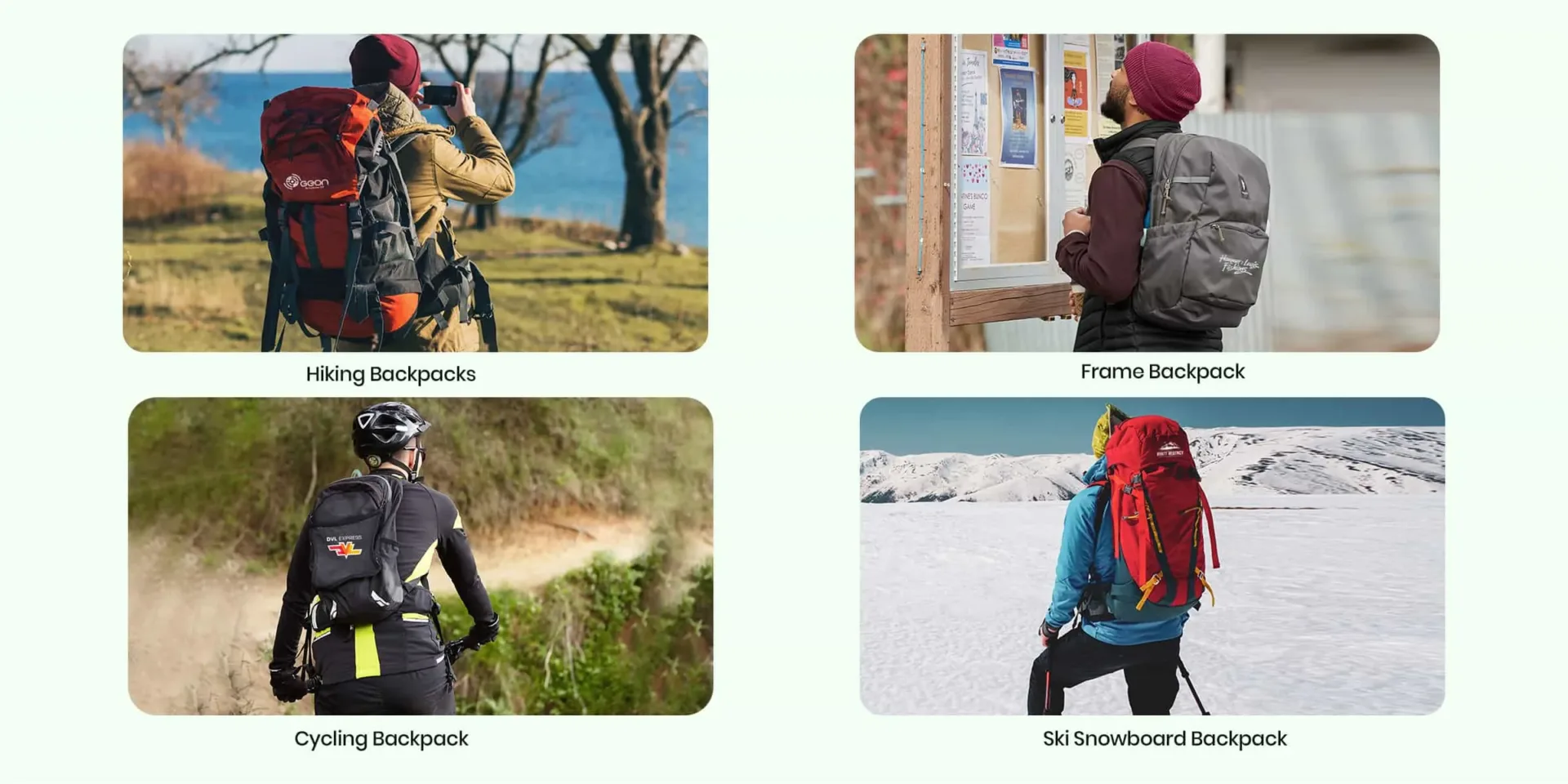
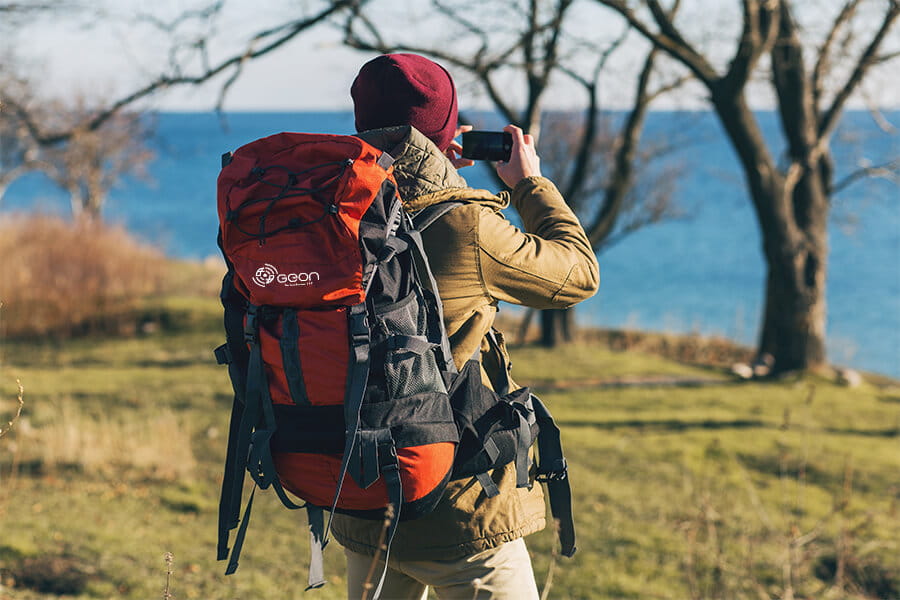
Hiking backpack types, unlike everyday backpacks types, handle weight over long distances. And, the best part is its features like padded hip belts and adjustable chest straps that make a huge difference in reducing shoulder fatigue.
We loaded hiking backpacks with 20–30 pounds and wore them on trails. The padded hip belt made movement comfortable by shifting weight away from the shoulders. While ventilated back panels reduced sweat buildup during longer walks.
Why We Love It
Handle weight perfectly and comfortable even after hours of use.
Strength
- Breathable back design
- Excellent weight distribution
Limitations
- Not for light use
- Little heavy than most backpacks types
Frame Backpack
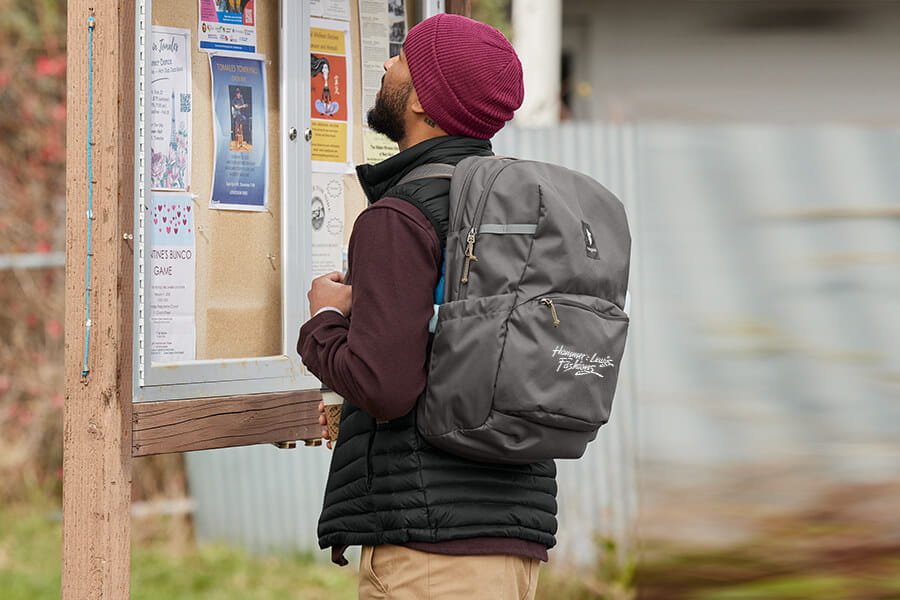
Frame backpacks are good for serious load-bearing. Internal or external frames provide added stability, keeping weight balanced. They also feel more rugged compared to standard packs.
We tested frame backpacks on short hikes to see how well they work for us. The internal frame kept everything balanced and close to the body which helped in reducing strain on the shoulders. Even when we packed it fully, the bag maintained its posture.
Strength
- Ideal for long trips
- Long-lasting durability
Why We Love It
Internal frame kept everything balanced.
Limitations
- Slightly expensive
- Not practical for everyday use
Cycling Backpack
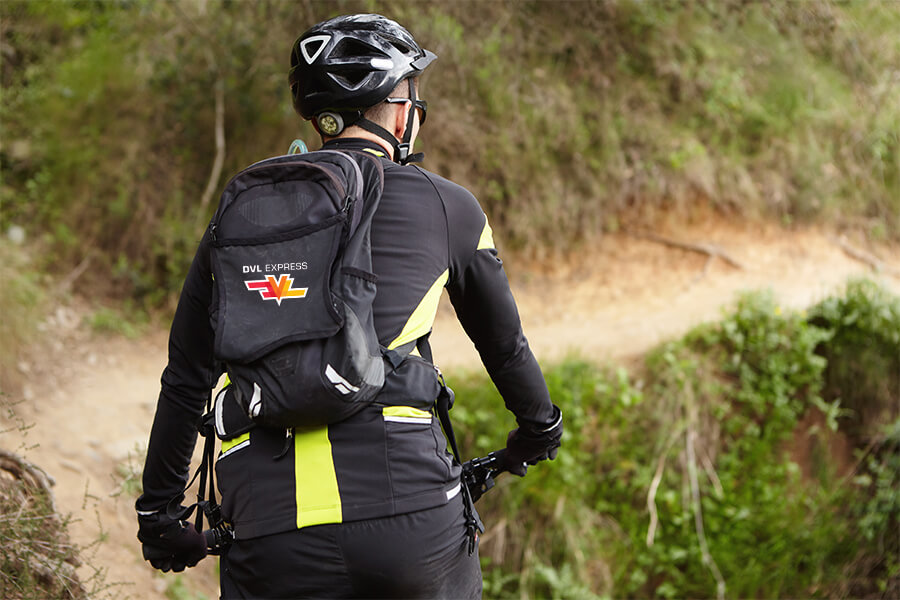
Cycling backpacks help reduce wind resistance and minimizing movement while riding. During longer rides, even slight shifting can become uncomfortable, so structured and comfortable straps help a lot and make a real difference. While storage capacity is limited than other different types of backpacks, the design is exactly what makes it practical for cyclists.
We carried cycling backpacks on longer bike rides. The close-to-body design reduced bounce while pedaling.
Riders we spoke to said, “The rides were extremely comfortable and compact layout keeps essentials accessible”.
Why We Love It
Minimize movement while riding and prevent shifting.
Strength
- Lightweight
- Helps reduce movement
Limitations
- Not for heavy gear
Ski/Snowboard Backpack
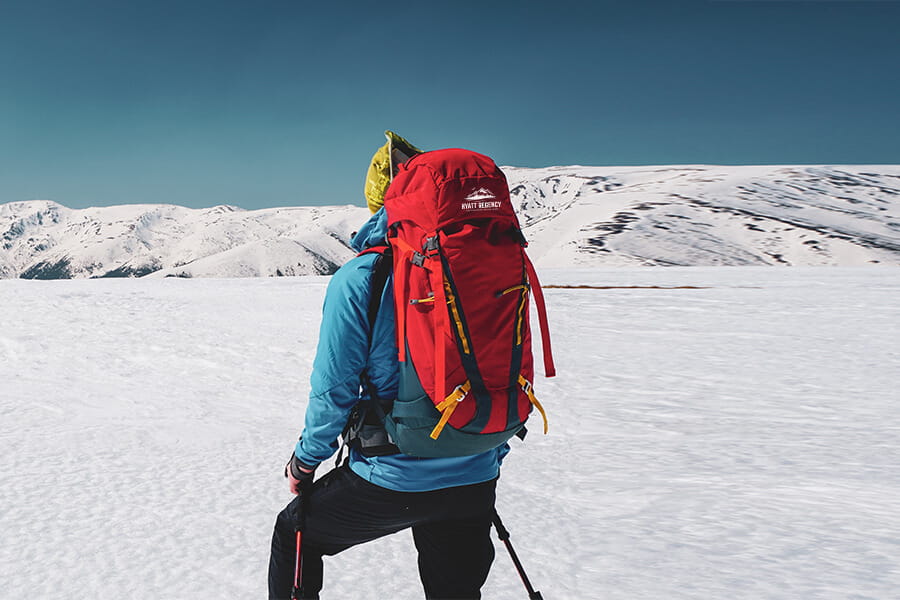
We spent time using ski and snowboard backpacks in colder conditions to see how they work for us. Water-resistant fabrics made a real difference in freezing weather. We noticed that specialized compartments for tools and accessories keep essentials organized and secure in freezing temperatures.
Why We Love It
Water-resistant materials perform well in snow conditions.
Strength
- Weather-resistant benefits
Limitations
- Seasonal use
- Higher cost
Types of Backpacks for Traveling
Picking the right types of backpacks for traveling can make your trip so much easier. From carry-on backpacks to travel backpacks, wheeled backpacks, and duffel backpacks, each style is designed to fit different travel needs. Check out the list below to find the perfect backpack type for travel.
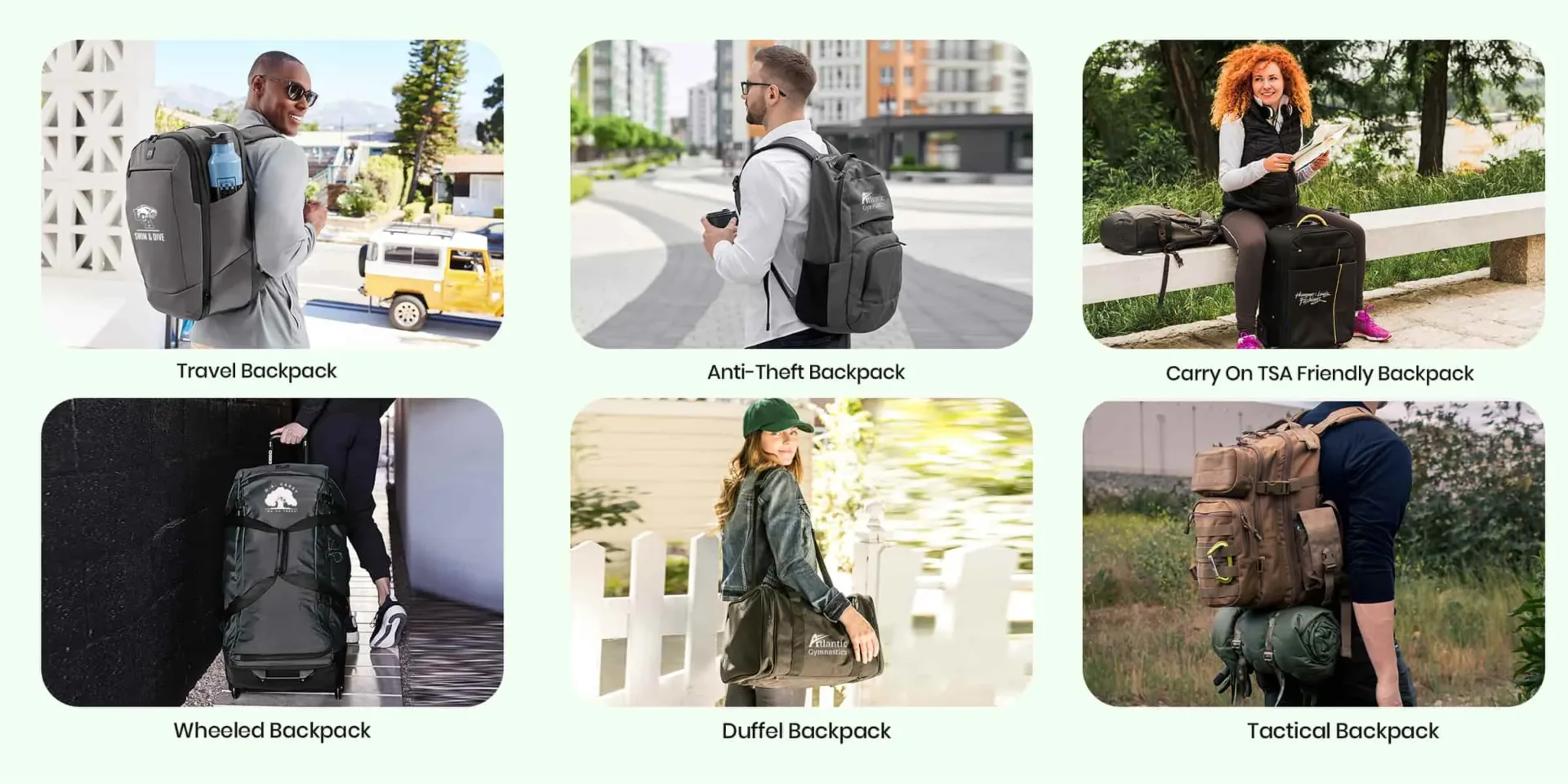
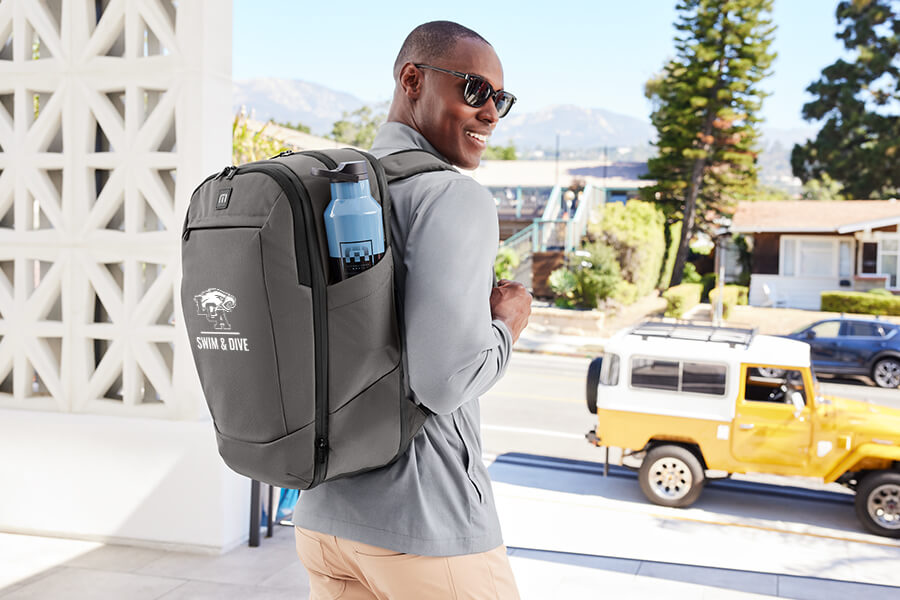
Travel Backpack
We tested 35L–45L carry-on sizes on flights. Most open in a clamshell style which makes packing easier than top-loading designs.
On short trips, this reduces the need to dig through layers of clothing to find smaller items. However, travel backpacks can feel heavier than standard daypacks if you load them fully.
Why We Love It
Feels like a suitcase but carries like a backpack.
Strength
- Carry-on compatible
- Comfortable straps
- Ideal for short trips
Limitations
- Might feel heavy when you pack them fully
- Little expensive than regular ones
Anti-Theft Backpack
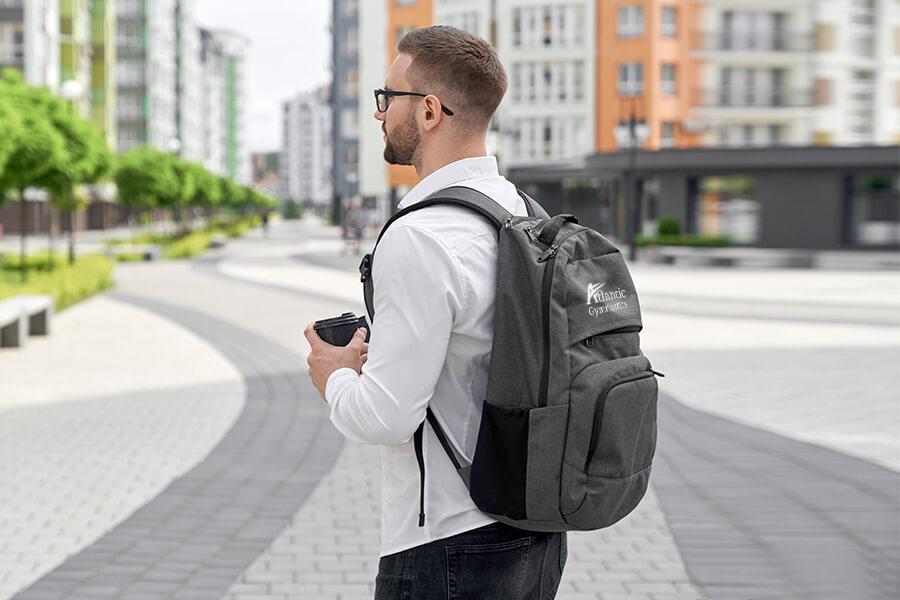
These types of backpacks focus more on security features. We took them with us on public transit to test security and practicality. Hidden zippers and compartments helped in keeping belongings safe in public places with huge crowd.
We witnessed that while accessing items takes a bit longer, the peace of mind in busy environments is worth it.
Why We Love It
Keep belongings safe and secure during travels.
Strength
- RFID pockets
- Hidden compartments
- Urban-friendly design
Limitations
- Smaller openings
- Heavier materials
- Less flexible storage
Carry-On / TSA-Friendly Backpack
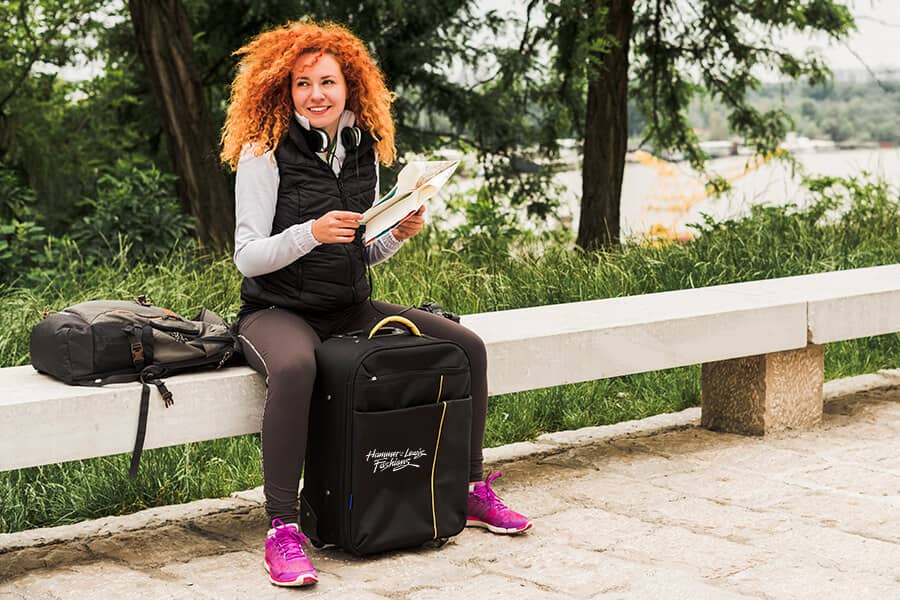
Carry-on or TSA-friendly backpacks are one of the best types of backpacks for travel that are designed to meet airline size restrictions. We packed them for short flights to evaluate both airline compliance and storage. The clamshell design made laptops and clothes easy to access, and the structured size fit overhead compartments perfectly.
Travelers we’ve spoken to especially like how these bags reduce airport stress without sacrificing mobility or storage.
Why We Love It
Airport-friendly design and airline-compliant.
Strength
- Airline-compliant
- Travel-ready structure
- Convenient screening access
Limitations
- Size limitations
- Limited expansion
Wheeled Backpack
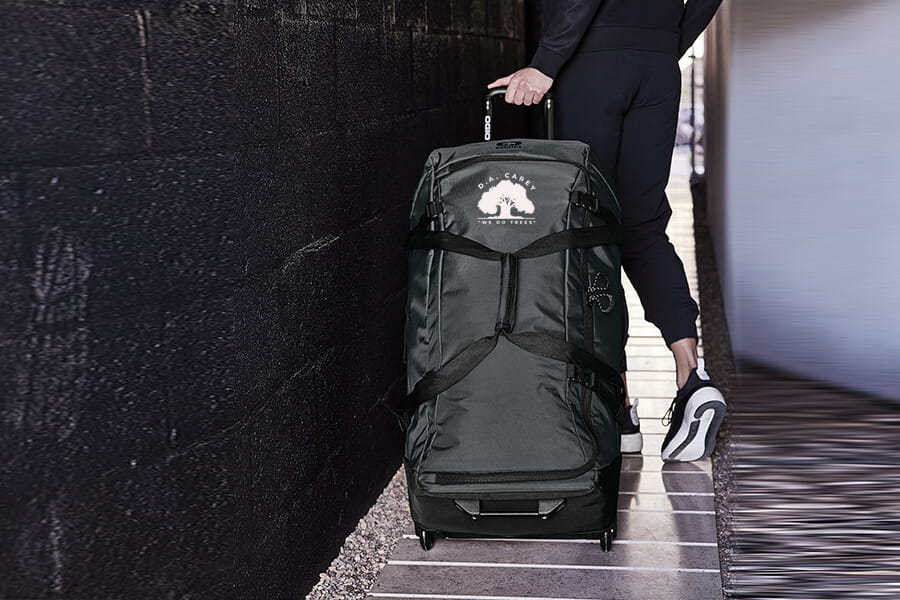
In airports or large transit stations, rolling the bag reduces strain significantly when carrying heavier loads. We tested wheeled backpacks during airport travel. On smooth floors, wheels significantly reduced shoulder strain.
However, the added frame and wheel system increase overall weight and slightly reduce storage space. This hybrid design works best when you expect long walks through terminals but occasional stair carrying.
Strength
- Dual carry options
- Good for heavy loads
- Stable rolling base
- Ideal for airports
Why We Love It
Rolling option reduces shoulder strain.
Limitations
- Heavy even when empty
- Wheels reduce storage
- Not terrain-friendly
Duffel Backpack
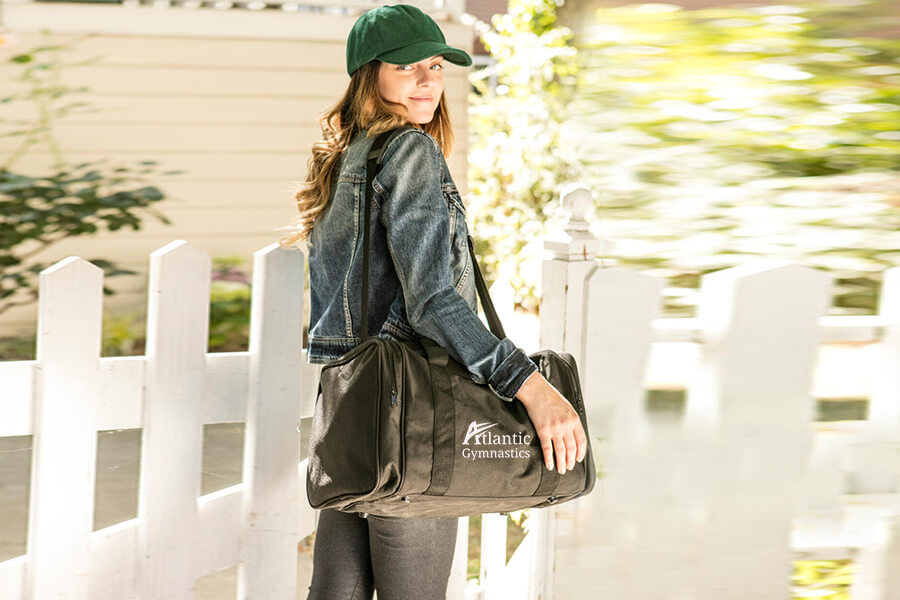
We carried duffel backpacks loaded with sports gear and other essentials to see how flexible they really were. The wide opening makes packing simple, especially for bulkier items like shoes or sports gear.
We also observed that the minimal internal organization allows efficient packing and works well when you’re in a hurry.
Why We Love It
Extremely versatile type of backpack for travel and gym use.
We’ve tried and tested duffel backpacks on short trips found it the best option among all. The large opening plus easy packing design makes them much easier to organize than many traditional backpacks types.
Strength
- Large main compartments
- Durable material for travel use
- Easy packing with wide opening
Limitations
- Can feel bulky when fully packed
- Not ideal for carrying laptops or fragile items
Tactical Backpack
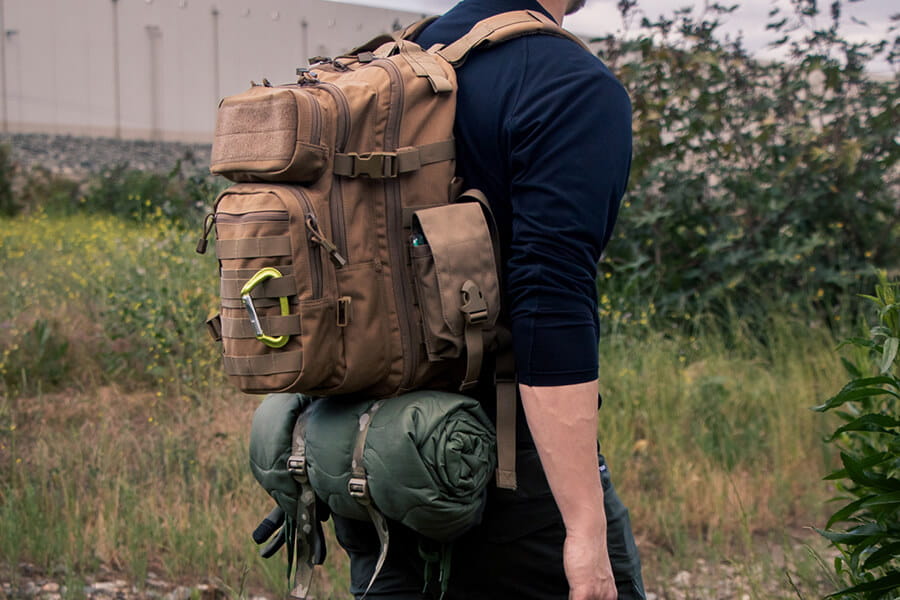
Tactical backpacks are made with durability as a priority. We put tactical backpacks through rough outdoor activities to evaluate durability. The materials feel noticeably thicker and more rugged than standard types of backpack styles.
While that toughness increases weight and gives the bag a more utilitarian look, it also extends lifespan under rough conditions. For outdoor use or demanding environments, this style prioritizes resilience over minimalism.
Strength
- Long lifespan
- Weather-resistant
- Heavy-duty material
- Expandable webbing
Why We Love It
Handles rough use better than most.
Limitations
- Not suitable for daily use
- Less formal appearance
- Can feel stiff initially
Camera Backpack
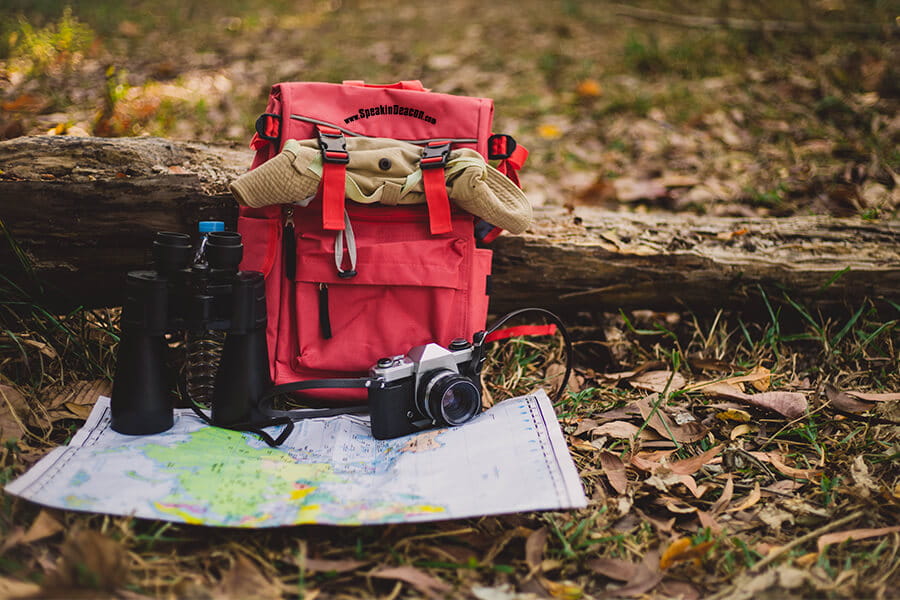
Camera backpacks are designed around protection features. We evaluated them by loading them with different items like camera bodies and lenses and checking internal stability during movement.
Padded dividers kept equipment secure, while structured compartments minimized shifting and prevent damage during movement. These types of travel backpacks certainly are the best ones to keep your essentials secure and your trip worth-remembering.
Why We Love It
Keeps expensive gear like camera secure.
Strength
- Thick padding
- Adjustable dividers
- Organized compartments
Limitations
- Expensive
- Heavier in weight
Specialty & Utility Backpacks for Unique Carry Needs
Not all types of backpacks are for books or travel, some are made for very specific needs. Specialty and utility backpacks include options like tool backpacks, and child or pet carrier backpacks. These are designed to keep your gear, tools, or little ones safe and easy to carry.
Pet Carrier Backpack
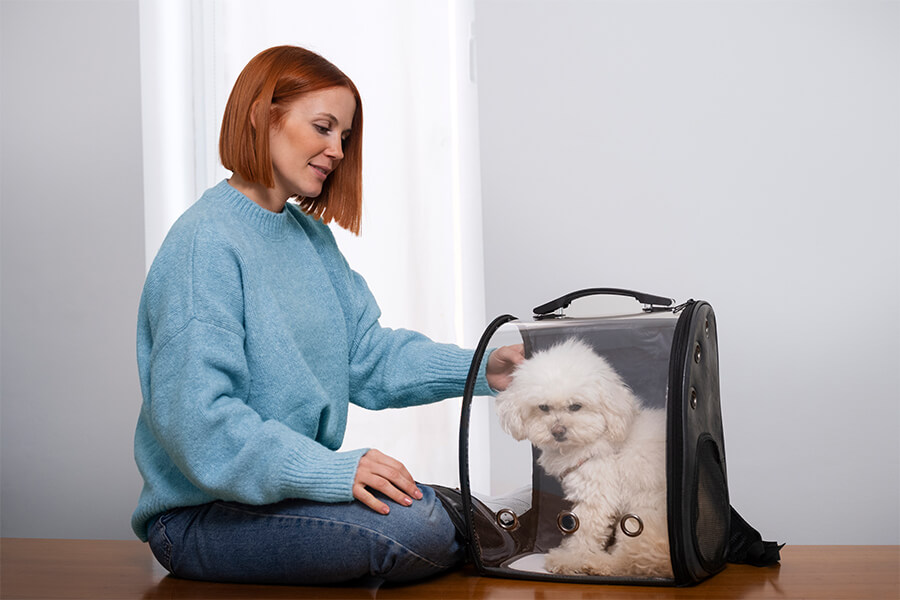
We tested pet carrier backpacks on short walks and commutes to see how they work. Mesh panels provided airflow while keeping small animals secure, and proper weight distribution prevented swaying.
During testing, we observed that the comfort and stability makes a big difference, making the experience more comfortable for both the owner and the pet.
Why We Love It
Makes traveling with small pets much easier while keeping them safe and comfortable during walks.
Strength
- Secure safety clips for pets
- Comfortable straps for longer carries
Limitations
- Limited to small pets only
- Can feel bulky in crowded spaces
Child Carrier Backpack
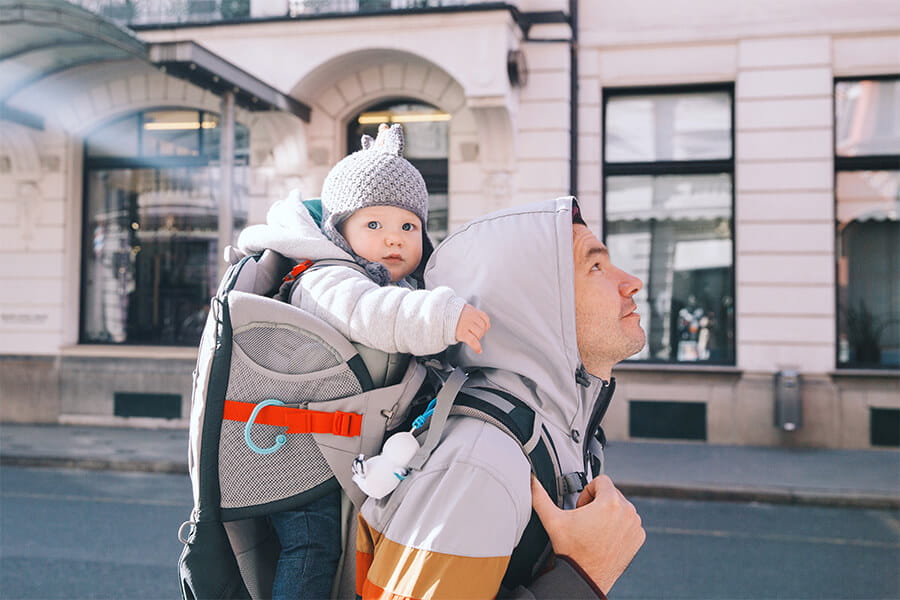
Child carrier backpacks are for safety and support. We spent time using child carrier backpacks on outdoor walks. The padded hip belts and structured frame kept child comfortable and secure, even over uneven terrain.
We observed that this allows longer outings without fatigue, making it an essential choice for daily family picnics or short trips.
Why We Love It
A reliable options for parents to carry toddlers comfortably on longer walks, hikes, or outdoor adventures.
Strength
- Strong frame support
- Padded hip belt for weight distribution
Limitations
- Heavier than regular backpacks types
- Takes time to adjust straps properly
Tool Backpack
We loaded tool backpacks with heavy equipment to see how well they held up. Reinforced bases and structured compartments kept tools organized and safe, while stitching handled sharp edges without tearing.
These really are some of the best type of backpacks to keep your equipment and tool safe and secure during work or outdoor adventures.
Why We Love It
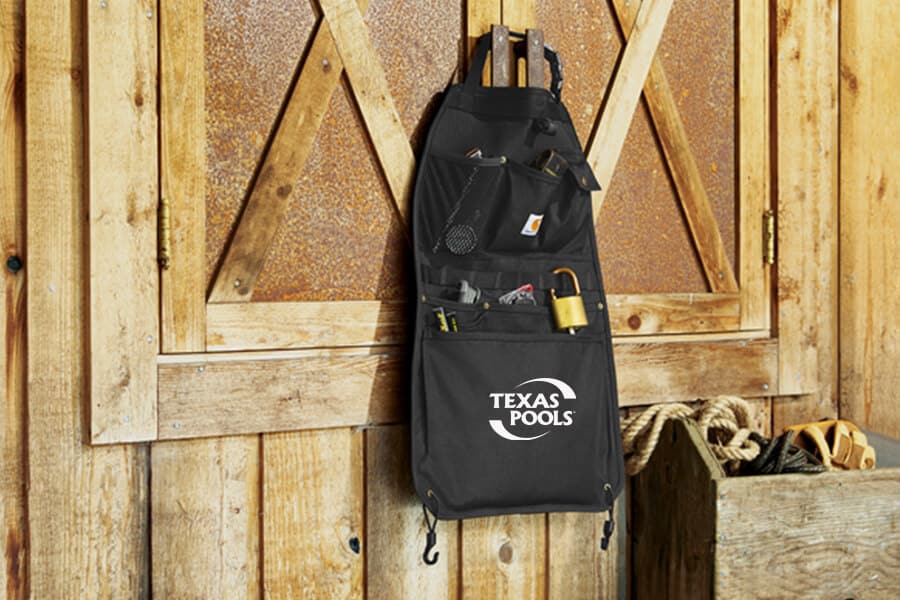
Keeps tools organized, protected, and easy to access while leaving both hands free for work.
Strength
- Multiple tool compartments
- Reinforced base for durability
- Easy organization for heavy gear
Limitations
- Heavy than basic backpacks types

Comparison Table for All Types of Backpacks
With so many different types of backpacks available, choosing the right one can feel overwhelming. The table below gives you a quick overview of the most common backpack styles, their capacity, main features, and who they work best for.
| Backpack Type | Primary Use | Capacity | Key Features | Best For |
|---|---|---|---|---|
| Standard Daypack | Daily use | 18–25L | Lightweight design, basic compartments | School, daily use |
| Laptop backpack | Work & study | 20–30L | Laptop sleeve, padded protection | Students, professionals |
| Rucksack | Short trips | 20–40L | Drawstring closure, large main compartment | Weekend outings |
| Drawstring backpack | Quick carry, easy to use | 10–20L | Ultra-lightweight, simple open storage | Gym, short errands |
| Mini Backpack | Light carry | 5–15L | Compact design, minimal storage | Casual outings |
| Sling backpack | Quick access carry | 8–15L | Single strap, front-access convenience | Travelers, everyday use |
| Hiking Backpack | Outdoor hiking | 30–70L | Hip belts, load support, ventilation panels | Hikers, trekkers |
| Frame Backpack | Heavy load carrying | 50–80L | Internal/external frame, structured support | Long travels |
| Cycling Backpack | Bike commuting | 10–20L | Aerodynamic design, breathable back panel | Cyclists |
| Ski/Snowboarding Backpack | Winter sports | 20–35L | Weather-resistant materials, gear compartments | Skiers, snowboarders |
| Travel Backpack | Travel & trips | 30–50L | Clamshell opening, packing compartments | Travelers |
| Anti-Theft Backpack | Secure city travel | 20–30L | Hidden zippers, lockable compartments | Travelers |
| Carry-On/TSA Backpack | Air travel | 30–45L | TSA-friendly, airline size | Frequent flyers |
| Wheeled Backpack | Heavy travel carry | 40–60L | Rolling wheels, retractable handle | Airports, long-distance travel |
| Duffel Backpack | Flexible, easy to carry | 30–70L | Large main opening, convertible straps | Gym, travels |
| Tactical backpacks | Rugged outdoor use | 30–50L | MOLLE webbing, highly durable | Outdoor adventurers |
| Camera Backpack | Photography gear | 20–35L | Padded dividers, tools protection, organized compartments | Photographers, content creators |
| Pet Carrier Backpack | Pet transport | 15–25L | Ventilation mesh, pet safety clips | Pet owners |
| Child Carrier Backpack | Child carrying | 40–70L | Frame support, padded structure | Used by parents for travels |
| Tool Backpack | Tools and equipment | 20–40L | Reinforced base, tool compartments | Technicians, contractors |