

In branding materials, the type and weight of the paper can make a big difference. The moment someone holds your business card, brochure, or flyer; it can either uplift or undermine the perceived value of your brand. Therefore, choosing the right paper weight is important. By understanding the different paper types and weights, you can choose the best options for your projects, create a lasting impression on your potential customers, and increase the chances of converting them into your loyal customers.
In this blog, you’ll learn how to pick the perfect weights of paper according to your project requirements, to make sure that the first physical interaction to your brand is memorable and impactful.
Paper Weight Chart
Understanding paper weight is essential for choosing the right option for your project. The chart below explains common paper weights, helping you easily select the best option for your project goals.
| Book Paper | Available Weights | Common Uses |
|---|---|---|
| Bond paper | 16, 20, 24, 28,30 and 36 pounds | Office copiers, printers, letterhead, and stationery Lighter-weight bond paper for faxes, printing emails, tracing, and use in high-speed copiers Mid-weight bond paper for reports, presentations, double-sided printing, legal documents, and proposals Heavier-weight bond paper for double-sided printing, presentations, signs, fliers, contracts, and resumes |
| Book Cover | 30 to 15 pounds | Print book, booklets, catalogs, magazine publication, and posters |
| Cover Paper | 60 to 120 pounds | Business card, door hangers, menu, invitation, Postcard, rack report cove, self-mailers, and sketching |
| Index Paper | 90,110 and 140 pounds | Index cards, postcard, tabs and dividers, manila folders, and sketchbooks |
| Tag Paper | 50, 60,70,80, and 100 pounds | Retail signage. Price tags, table tents, file folders, door hangers, direct mail postcards, menu, Posters,’ time cards |
| Text Paper | 50, 60,70,80, and 100 pounds | Commercial printing operations for brochures, letterhead print jobs, stationery, internal memos, and thesis papers |
What Is Paper Weight?
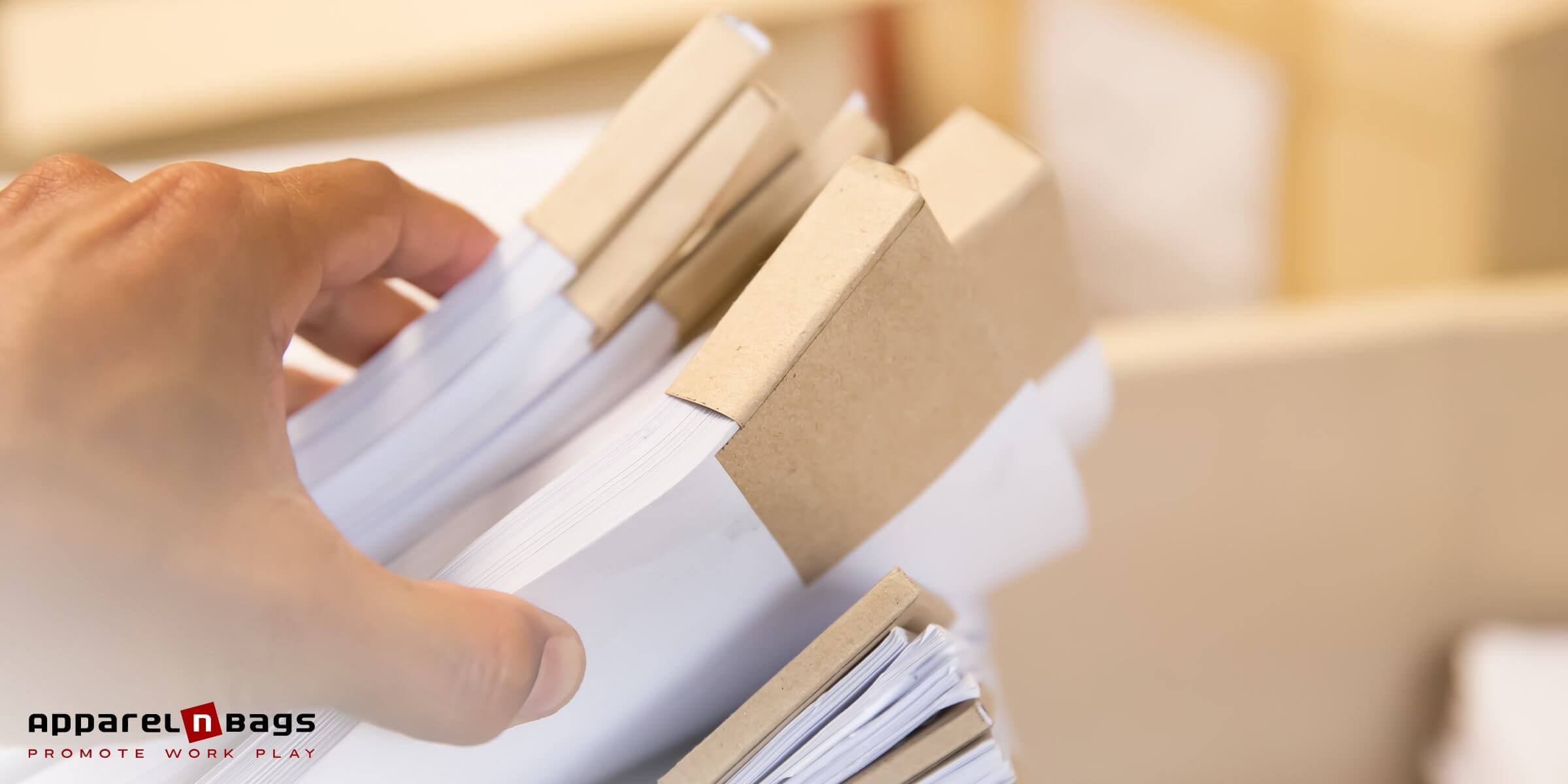
Paper weight refers to how heavy or thick a sheet of paper feels. It plays a crucial role in the overall appearance, durability, and feel of your printed materials. Heavier paper gives a more substantial, professional feel, making it ideal for materials like business cards or brochures. On the other hand, lighter paper is commonly used for everyday documents or mass prints due to its low cost.
Understanding paper weight helps you choose the right paper for your project. Choosing the right paper weight ensures your printed materials align with your preferences, whether you prefer something sturdy and professional or light and economical.
Paper weight also influences how ink or print appears on the page. Heavier paper typically absorbs ink better, producing vibrant colors and sharper prints Lighter paper might cause ink to spread or smudge, making it less suitable for high-quality designs. Therefore, choosing the right paper weight is essential for achieving the desired look and impact of your printed materials, whether it’s for business, marketing, or personal use.
Different Paper Weight Units
There are different paper weight units used across various regions. The most common are the U.S. basis weight, metric weight (GSM), and the points/mils system. U.S. basis weight measures the weight of 500 sheets of paper in its uncut form, and on the other hand, GSM refers to the grams per square meter. The points or mils system measures the thickness of the paper. Each method helps identify the paper’s weight and thickness, and help you choose the right paper for your requirements.
By Product Type
Paper weight varies based on the type of product being created, such as business cards, brochures, or posters. For example, business cards require heavier paper for a solid, professional feel, while standard office paper is a suitable option for everyday printing requirements. Specialty papers like invitations or postcards often have unique weight requirements for a premium look and feel.
Material
The material used to make paper significantly impacts its weight. Papers made from thicker fibers like cardstock tend to be heavier, and those made from lighter materials like newsprint are thinner. Recycled papers may also vary in weight depending on the types of fibers used.
Distribution Channel
Paper weight choices are influenced by the distribution channels available. Local retail stores may offer a limited selection of standard weights, and online suppliers and wholesalers can provide a wider variety, including specialty papers and custom weights. Therefore, knowing where to source your paper can help you get the right paper weight for your specific project.
Common Paper Weights and Their Uses

Paper weights can range from light to heavy, with each type serving a different task. Lighter weights are more affordable and ideal for high-volume printing, such as newsletters or flyers. Heavier paper weights, on the other hand, add durability and a premium look, making them perfect for products like invitations, brochures, and packaging. Knowing the differences in paper weights enable you to make informed decisions based on your project’s requirements.
Lightweight Papers
Lightweight papers typically range from 20 lb to 24 lb, perfect for everyday printing tasks. They are commonly used for printing letters, forms, or general office documents. These papers are thin, easy to handle, and cost-effective, which makes them ideal for high-volume printing.
Standard Weight Papers
Standard weight papers typically fall between 24 lb to 28 lb. They are often used for business correspondence, letters, and reports. These papers are durable as well as affordable. This aspect makes them a go-to choice for many office applications, as they provide a quality feel without being too thick or heavy.
Heavier Papers
Heavier papers range from 32 lb to 80 lb. These are often used for printing brochures, catalogs, and marketing materials that require a more professional appearance. The thicker paper weight assures that the paper holds up well to handling and leaves a good impression on clients.
Extra Heavy Papers

Extra heavy papers typically exceed 80 lb and can go up to 120 lb or more. These papers are often used for printing premium business cards, postcards, and invitations, offering a luxurious, high-quality feel. They are highly durable and give your printed materials a high-end look and texture.
How to Choose the Right Paper Weight
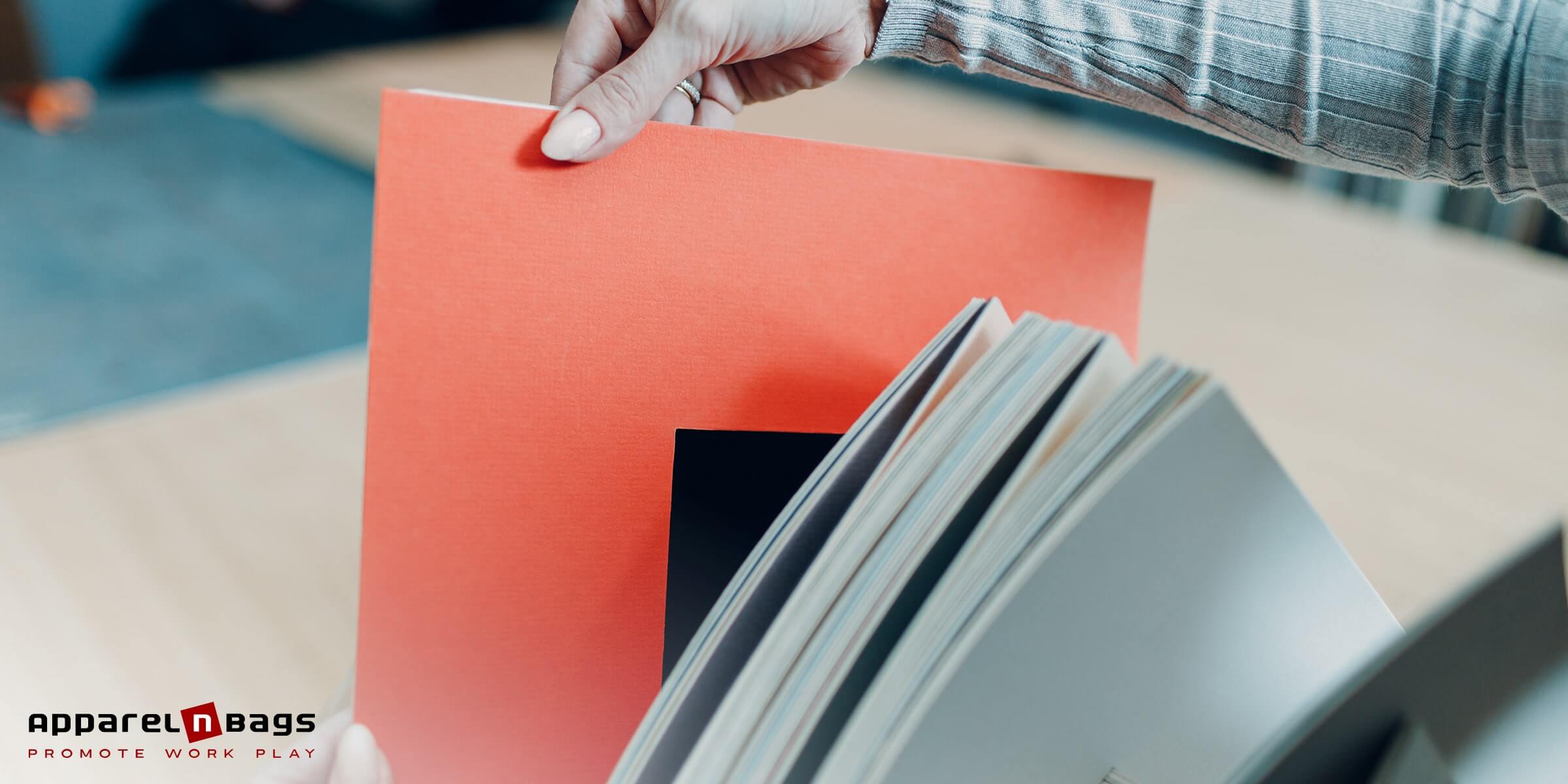
Choosing the right paper weight is essential for the success of your print project. The paper you select affects how your materials look and feel, which can leave a lasting impression on your audience. Here’s a simple guide to help you choose the perfect paper weight for your needs.
- Consider the Purpose of Your Project: Think about how the printed material will be used. For example, lighter paper weights are perfect for printing letters or flyers that will be distributed in bulk. Heavier paper weights are ideal for projects like business cards, invitations, or brochures that need to create a lasting impact. The paper weight you choose should match the purpose and impression you want to make.
- Review the Paper Weight Guide: Use a paper weight guide to better understand the different types of paper weights available. Paper weights are typically measured in pounds (lb) or grams per square meter (GSM). Lighter papers like 20 lb are good for everyday printing, while thicker papers like 80 lb or more are suited for premium materials such as brochures, business cards, and invitations. This guide helps you compare options to find the right fit for your project.
- Think About Durability: If your project requires materials that will be handled often, choose a heavier paper weight. Thicker papers are more durable and less likely to tear quickly. For materials that you want to last long, like brochures or product packaging, heavier paper weights assures your materials stay durable and intact over time.
The Role of Paper Weight in Print Quality
Paper weight plays a key role in how your printed materials look and feel. Lighter paper absorbs more ink, often resulting in a softer, more muted finish. Heavier paper, on the other hand, holds ink better and creates sharper, more vibrant prints. This difference is important to consider when printing marketing materials, business cards, or brochures, as it directly affects the visual appeal and quality of the final product.
The choice of paper weight can also impact the durability of your prints. Heavier paper tends to be thicker and more durable, making it less likely to wrinkle, tear, or show wear over time. If you want your materials to last longer and withstand handling, choosing a heavier paper weight is a wise choice. A sturdy, high-quality print enhances your brand’s image and assures your materials maintain their appearance throughout their use.
Understanding Paper Weight in Relation to Different Printing Methods
The paper weight you choose affects how well ink adheres to the paper during printing. Lighter papers tend to absorb more ink, which can cause colors to appear softer or less defined. For methods like offset printing or digital printing, choosing the right paper weight assures that the final product looks crisp and clear. A good paper weight guide helps you understand how different weights perform with various printing methods.
For techniques such as screen printing or letterpress, heavier paper often provides better results. Thicker paper holds ink more effectively, leading to sharper, more vibrant images. The weight of your paper impacts the overall feel of your printed materials as well, adding to the quality and professionalism of your print job. When you select the proper paper weight, you ensure the printing method works efficiently and produces a high-quality outcome.
Paper Weight Guide FAQ’s