

It’s important to understand the difference between restrictive vs nonrestrictive clothing when making a purchase. The type of clothing, whether restrictive or non restrictive, directly impacts your comfort, movement, and health, in a positive or negative way.
For instance, non-restrictive clothing offers ease of movement and allows your body to breathe. It reduces the risk of blood flow restriction and nerve impingement. This makes it more comfortable for everyday wear. On the other hand, restrictive clothing can be uncomfortable and may limit movement, causing discomfort during activities like walking, sitting, or exercising.
By understanding the difference between restrictive vs non restrictive clothing, you can ensure that the clothes you choose match your style as well as your daily comfort wear requirements.
Read on to the blog to learn restrictive vs nonrestrictive clothing to find your perfect fit!
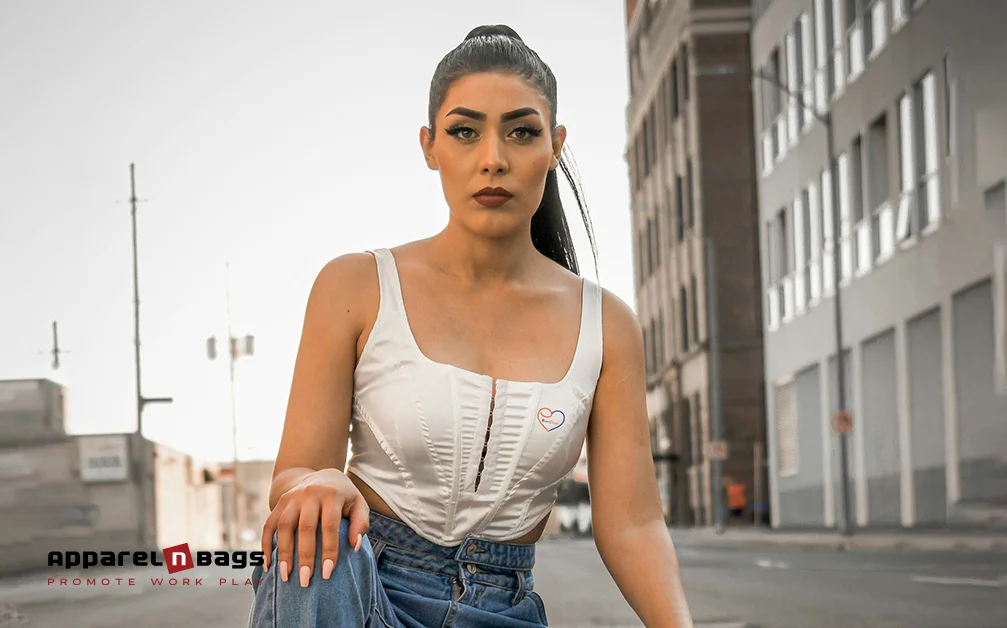
Restrictive clothing refers to garments that limit the wearer’s movement or fit tightly around the body. These garments might include corsets, certain types of shape wear, extremely tight jeans or pants, or any clothing that restricts body movement or blood circulation.
While some restrictive clothing may be worn for fashion or aesthetic purposes, it’s essential to consider the potential health implications of those. Prolonged use of restrictive clothing can cause discomfort, difficulty in breathing, and other health problems.


Restrictive Clothing Examples
Below mentioned are a few restrictive clothing examples that you must keep in mind when buying everyday clothes:
Shape Wear
Shape wear is designed to compress and shape the body, and is often worn under casual clothing for a smoother appearance. It includes briefs/panties, shaping camisoles, bodysuits, waist trainers, and more.
Compression Clothing
Compression clothing is mainly used for athletic activities which involve high-impact activities, such as running and more. These garments apply pressure to specific parts of the body, increasing blood flow and reducing muscle vibration during exercise. Examples include compression shirts, compression shorts, compression pants, and more.
Skinny Jeans or Tight Pants
Some jeans or pants are made tight for fashion or style purposes. Skinny jeans or pants fit tightly around the legs and hips, potentially limiting flexibility and blood flow for the wearer.
Bodysuits
Bodysuits are one-piece garments that tightly cover the torso, often extending down to cover the legs completely or partially. While these can be restrictive due to their tight fit, they are mainly worn for fashion or style purpose.
Pros of Restrictive Clothing
Restrictive clothing can be helpful in various ways. A few of them are motioned below!
Body Shaping
Some people use corsets and waist trainers for waist training, a process of semi-permanent waist reduction. Over time, with consistent use, the waist can reshape to a more desired hourglass figure.
Instant Slimming
Restrictive clothing, such as shape wear, corsets, and waist trainers, can provide an instant slimming effect. It compresses and shapes the body to create a more defined look. This also helps boost confidence and self-esteem of the wearer.
Athletic Performance
Some of the restrictive clothing, such as compression clothing is designed to improve athletic performance by increasing blood circulation and reducing muscle fatigue. They can also help in muscle recovery post-exercise by reducing swelling and muscle soreness. In addition, they are also useful for people who are constantly involved sports and other physical activities.
Fashion and Style
Some people wear restrictive clothing as a fashion staple or as part of a specific style. This includes tight jeans, tailored suits, and fitted dresses. These garments can help individuals express their style and feel more put-together.
Tailored and fitted clothing can enhance the appearance of the wearer by providing a more tailored look. This can be particularly beneficial in social settings or gatherings.
Posture and Support
Certain types of restrictive clothing, like corsets and some shape wear, help encourage better posture by providing support to the back and abdomen. This can be beneficial for those who suffer from back pain or those who want to maintain good posture.
Cons of Restrictive Clothing
While restrictive clothing offers various benefits for the wearer, it also has cons, as mentioned below!
Restricted Movement
Restrictive clothing can limit movement of the wearer, causing discomfort and making it challenging to perform daily activities. Garments like corsets and waist trainers can restrict the movement, leading to breathing and other difficulties.
Skin Irritation
Prolonged wear of tight or restrictive clothing can cause skin irritation, chafing, or even skin infections due to friction and lack of airflow.
Reduced Blood Circulation
Extremely tight clothing can impair blood circulation, leading to numbness, tingling, and even more severe circulatory issues.
Difficulty in Daily Activities
Restrictive clothing can make it difficult to carry out daily activities comfortably, such as bending, lifting, or sitting for an extended period.
Limited Wardrobe Options
Wearing restrictive clothing may limit wardrobe options and make it challenging to find clothing that fits comfortably.
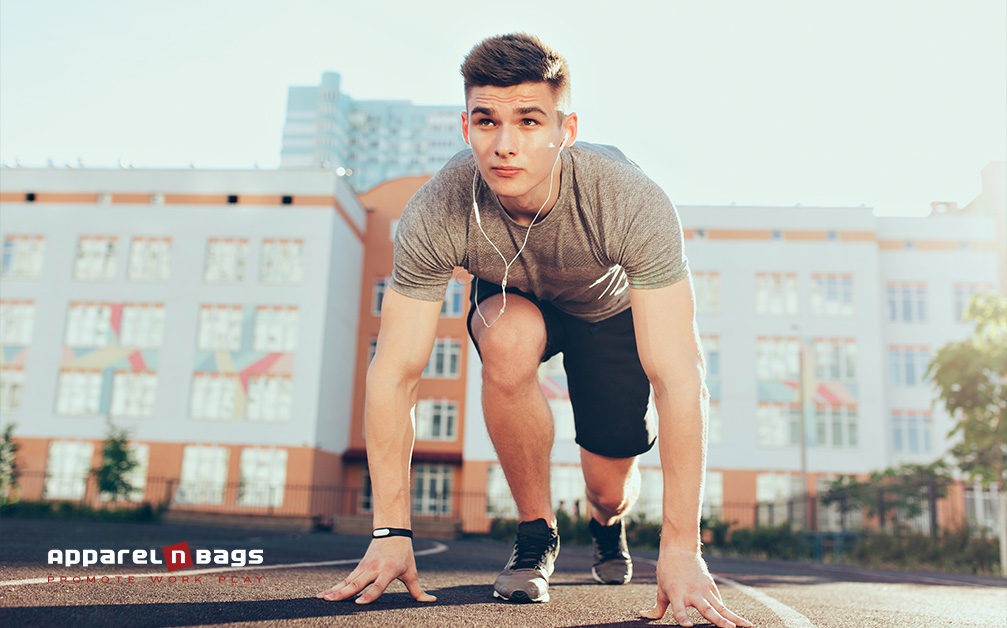
Non-restrictive clothing refers to garments that allow the wearer ease of movement and provide comfort without compressing the body. This type of clothing is characterized by loose-fitting designs, elastic waistbands, and materials that are flexible and breathable.
Non-restrictive clothing is ideal for everyday wear and situations where comfort is a priority.
Non Restrictive Clothing Examples
Below mentioned are few non-restrictive clothing examples that you must keep in mind when out to purchase one!
Loose-Fitting Clothing
Loose-fitting clothing offers comfort and ease of movement, making it a popular choice for everyday wear. These garments include oversized shirts, loose-fitting trousers, and maxi skirts.
Athletic Wear
Athletic wear is designed to optimize comfort and performance during physical activities. These garments, such as track pants, sweatpants, loose-fitting shorts, and breathable t-shirts, allow ease of movement for the wearer.
The stretchy and breathable materials allow the skin to breathe, preventing discomfort during sports and outdoor activities.
Casual Wear
Casual wear is characterized by its relaxed and non-restrictive fits, making it suitable for daily wear, work, and play. This category includes t-shirts, sweatshirts and hoodies, cardigans, and sundresses, all designed to provide both comfort and style.
With casual wear, you can easily transition from one activity to another, whether it’s meeting friends, or enjoying a holiday at home.
Stretchy Materials
Clothing made from stretchy materials, such as leggings, yoga pants, and jersey knit tops, offers unparalleled comfort and flexibility. These garments provide a snug fit without being restrictive, allowing for easy movement. They are particularly suitable for physical activities like running, working out, or sports , as they offer the required support and comfort.
Nightwear and Maternity Wear
Nightwear and maternity wear are non-restrictive garments designed to prioritize comfort for the wearer. Nightwear includes pajamas, nightgowns, and lounge sets, all designed to provide a restful and comfortable night’s sleep.
Maternity wear, such as maternity leggings, flowy maternity dresses, and tops with stretchy fabric, ensures expectant mothers can embrace their changing bodies without feeling restricted. These garments are made from soft, breathable fabrics, offering comfort and ease of movement. Nightwear and maternity wear provide comfort and style, allowing you to relax and feel at ease.
Pros of Non Restrictive Clothing
Following are the pros of non restrictive clothing:
Freedom of Movement
Non-restrictive clothing allows for a full range of motion, making it easier to perform daily activities and engage in gym sessions comfortably.
Comfort
Loose and non-restrictive fitting and comfortable fabrics ensure a pleasant wearing experience for the wearer. It helps reduce the risk of discomfort, chafing, or skin irritation caused by tight clothing.
Improved Circulation
Non-restrictive clothing does not impede blood flow, contributing to better circulation and reducing the risk of circulatory issues.
Reduced Risk of Health Issues
By not compressing or constricting the body, non-restrictive clothing decreases the risk of health problems such as poor digestion, breathing difficulties, and skeletal deformities.
Versatility
Non-restrictive clothing is versatile and suitable for various occasions, from casual wear to professional settings, making it a practical choice for everyday use.
Adaptability
Non-restrictive clothing is often made from stretchy or flexible materials. It easily accommodates changes in body size, making it ideal for fluctuating weight or during pregnancy.
Suitable for All Ages
Non-restrictive clothing is suitable for people of all ages, including children and the elderly, promoting comfort and ease of movement for all.
Cons of Non Restrictive Clothing
While restrictive clothing offers benefits for the wearer, it has few cons as well. A few are mentioned below:
Lack of Support
Non-restrictive clothing may not provide the same level of support as restrictive clothing. It can be a disadvantage for those seeking extra support, particularly in the case of people with back issues or those who prefer more structured clothing.
Less Defined Silhouette
Loose-fitting clothing may not accentuate the body’s natural shape, which could be a drawback for those who prefer a more tailored or fitted look.
Limited Style Choices
Non-restrictive clothing might limit the variety of styles available, as some designs require a more structured fit. This could be seen as a disadvantage for those who prefer more tailored or form-fitting garments.
Not Ideal for Certain Situations
Loose-fitting clothing may not be suitable for certain formal or professional occasions, where a more defined look is required.
Not Suitable for High-Intensity Activities
Loose-fitting clothing may not be ideal for high-intensity activities, such as running, as they may hinder performance or become a safety hazard.