

When people are searching for profitable business ideas, many turn their heads to the t-shirt business, hoping to get rich quickly. Sounds fun, right? But the market is crowded, and competition is high, which makes it way harder for a new business to just pop up and grow.
But the thing is, most t-shirt sites are selling the same old styles and designs on their social media pages or online stores. In this condition, instead of stressing about where to start, you need to learn how to start a t-shirt business that generates sells & builds loyal customers.
In this guide, we will share all the insider tricks and marketing strategies you need to start your t-shirt business. With these strategies, you can target right audience and make your mark in the market!
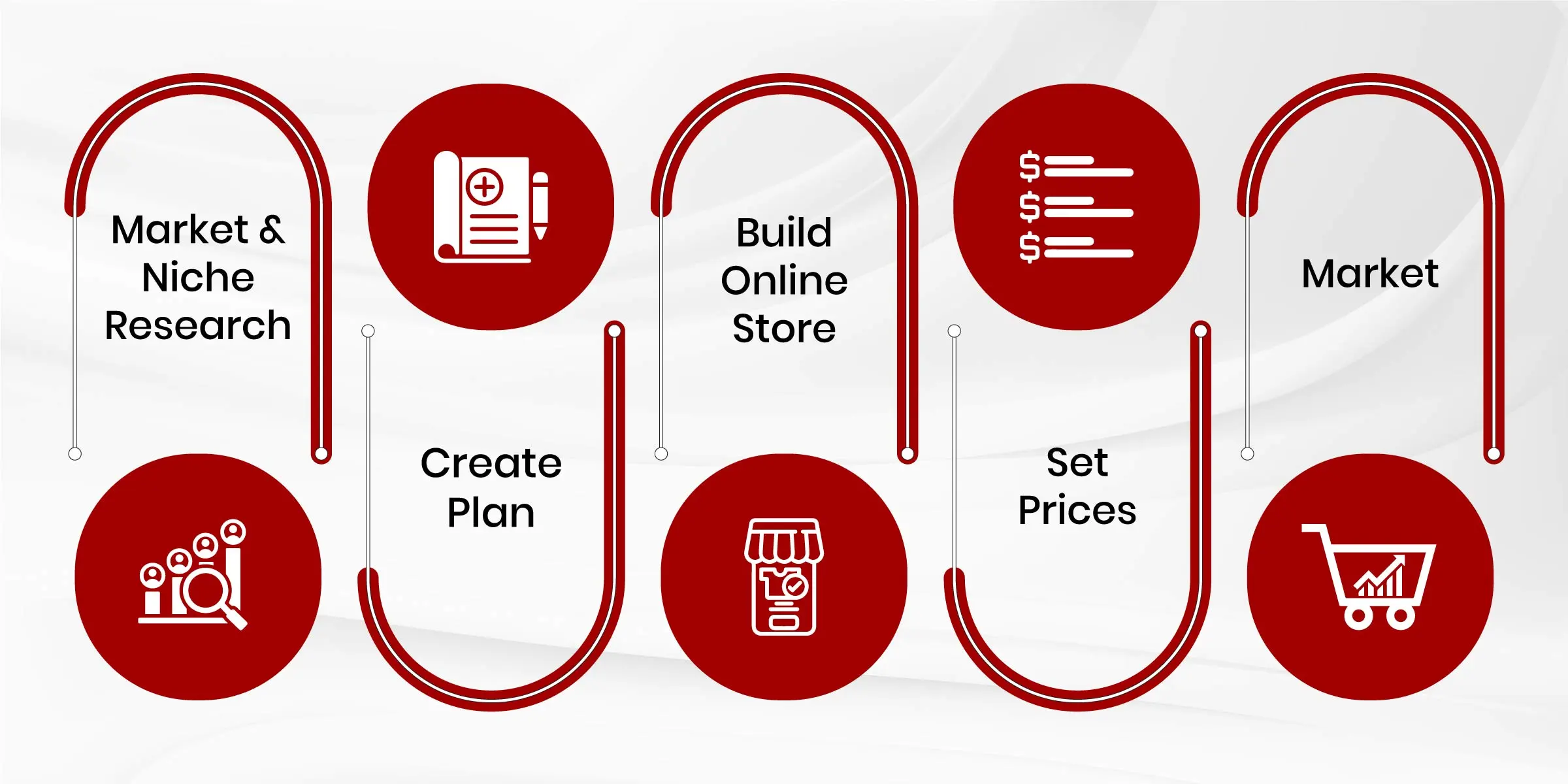
How to Set Up T-shirt Business
Every newbie thinks that to start a business, all you need to do is buy t-shirts in bulk, create a website, upload product images, and run a few marketing campaigns to roll in the profits. But that’s not the real road to starting a business, especially in a market full of competitors.
Here are the straight-up steps on how to start tshirt business online:
Start With Market & Niche Research
For the searchers of “how to open a tshirt business”, here’s a simple formula! Begin with understanding who your buyers are? Are they young people, office workers, or community groups like clubs or teams?
After this, check out the latest trends in t-shirts. You can find this on Amazon, Etsy, and social media platforms (Facebook, Instagram, Reddit, etc.) and spot what people are liking, sharing, and discussing.
Once you’ve locked the trendy options, move to platforms that tells you what people are searching on internet, such as Google Trends and Keyword Planner. Here you can look for high-volume keywords and traffic opportunities you can target.
Pro Tip! Start with some low-traffic trends to roll in profit instead of fighting head-to-head with high-volume keyword ranking pages.


1. Develop Your Brand Identity
Carhartt, The North Face, and other top brands all sell t-shirts. But when you recall their names, each comes with a different identity. That’s what we call creating brand perception among the audience. To make your business successful, you need to set your brand identity by choosing the right tone. Here’s how it can look:
| Type of T-Shirt | Tone / Brand Voice |
| Casual T-shirts | Playful and fun, full of everyday comfort and good vibes |
| Streetwear T-shirts | Bold and edgy, full of confidence, attitude, and urban energy |
| Eco-conscious T-shirts | Focused on sustainability and environmental values while staying relatable |
| luxury Tees | Refined and elegant, emphasizing exclusivity and sophistication |
Once the brand voice is set, the nest step is to choose the name of your t-shirt business. Keep it short, easy to pronounce, and simple to spell. Then create a domain (e.g., www.yourbrand.com) to build credibility.
Next, set a consistent color theme. Many fashion labels stick with versatile shades like black, white, and navy, while others stand out with brighter, more vibrant palettes. Whatever you choose, apply it consistently on your website, across social media, in packaging, and even in your video campaigns.
2. Create a Lean Business Plan
Most new entrepreneurs searching how to run a successful t-shirt business end up convincing themselves they need to do it all, target everyone, sell on every platform, run PPC ads everywhere, and hope for the best.
But that’s exactly where things start to crumble. Inventory costs shoot up, setup drains your budget, and “marketing everywhere” turns into marketing nowhere.
| Key Decision | How to Decide | Example |
| Profit Goal | Decide how much you want to earn per month or year. Work backward to see how many shirts you need to sell. | Aim for $1,000/month → sell 200 shirts at $5 profit each |
| Audience Size | Define how many buyers or followers you realistically want to reach in the first phase. | Grow to 5,000 Instagram followers in 6 months |
| Sales Channels | Pick 1–2 platforms where your audience spends the most time | Start on Etsy + Instagram, expand to Shopify later |
| Budget | Set a clear cap on what you’ll spend for setup and ads. | $500 setup budget + $200/month ads |
| Timeline | Break down goals into short milestones so you don’t drift. | Launch store in 30 days, first 50 sales in 90 days |
Instead of chasing every t-shirt buyer, decide who you’re really targeting to. Are they college kids who wear hoodies, gym goers who love workout tees, or office folks looking for polo shirts or corporate outfits? Define your target audience before moving ahead.
Once your business plan is clear, the next step is locking down a reliable supplier. This is where your business either runs smooth or hits bumps. Look for an experienced one like ApparelnBags that knows how to source quality t-shirts, handle bulk or urgent orders, and manage warehousing so your operations stay steady.
After sourcing, the focus shifts to production. You have two main choices. One is Print on Demand, where you only pay when an order comes in. The other is in-house printing, where you invest in your own equipment and handle the process yourself. To help you understand the trade-offs, here’s a quick breakdown:
| Factor | Print-on-Demand | In-House Printing |
| Startup Cost | Almost zero upfront cost | High upfront cost (equipment, space, supplies) |
| Inventory | No stock to manage | You handle and store inventory |
| Profit Margins | Lower per shirt | Higher per shirt |
| Scalability | Limited (depends on supplier) | Full control over quality |
| Timeline | Easy to test new designs quickly | Scales well for bulk orders once set up |
| Best For | Beginners, side hustlers, testing trends | Established brands, bulk sellers, long-term control |
3. Choose Your Printing Method
The way you print your t-shirts play an important role on your ROI. Many first-time sellers pour all their energy into creating designs. But overlook the fact that the printing method determines your profit margins, quality, and even customer satisfaction.
So, let’s break down your options:
| Factor | Print-on-Demand (POD) | Screen Printing | Hybrid (POD + Bulk) |
| Startup Cost | Very low, almost no upfront investment | High setup cost for equipment and materials | Moderate cost, start with POD and add bulk later |
| Inventory | No stock, everything is made to order | You manage and store all inventory | Combination of POD for testing and bulk for proven designs |
| Profit Margins | Lower profit per shirt | Higher profit per shirt | Balanced, low risk with POD and higher returns on bestsellers |
| Quality Control | Limited, depends on the POD provider | Full control over print quality | POD offers speed while bulk ensures consistency |
| Best For | Beginners, trend testers, low risk startups | Established brands, bulk orders, event merch | Sellers who want to test first and then scale with confidence |
4. Pick the Right T-Shirts
Just like your tees designs, your t-shirt fabric should fit its purpose. If you’re offering summer wear, go for lightweight and breathable options that keep people cool and comfortable. For example, cotton is soft and airy, while polyester works better for activewear because it’s durable and moisture-wicking.
| Factor | Cotton | Polyester | Blends |
| Vibe | Casual, classic | Sporty | Versatile, balanced |
| Pros | Soft, breathable | Durable,moisture-wicking | Comfy,shrink-resistant |
| Cons | Shrinks | Less breathable | Mid-tier feel |
| Best For | Everyday wear | Activewear, uniforms | Office, lifestyle |
Pro Tip: Go for eco-friendly or premium fabrics. They’re in high demand right now and show customers you care about quality and sustainability. For more guidance, check out our detailed blog on t-shirt fabric types and learn how to choose the right one for your business.
Design for Sales, Not Just Looks
Big brands already have the money and machines to make too many styles of tees. So, competing with them on “more quantity” is a losing game. You can get the upper hand in creative designing of shirts. Always stick to fresh, limited, and unique pieces that make your audience feel like they’ve got something special.
When it comes to creating designs, you’ve got options. Hire a freelancer, team up with us at ApparelnBags for custom tees at competitive rates, or DIY with tools like Canva and Illustrator. Then get them digitized at your local shop if needed.
Expert Tip: Don’t launch your full collection all at once. Excite your audience with mockups and samples first. Build hype, test what sticks, then roll out the collection.
5. Build Your Online Sales Hub
Now the question is, where to display your t-shirts. You can go to any third-party platform like Amazon, Etsy, or something similar, but they charge a commission on every sale.
In comparison, you can create your own e-commerce website. There are multiple options. You can build your store on Shopify, WooCommerce, or Squarespace.
| Factor | Shopify | WooCommerce | Squarespace |
| Ease of Use | Very beginner-friendly | Needs WordPress skills | Drag-and-drop simplicity |
| Customization | Lots of apps & themes | Highly flexible (plugins) | Limited but clean |
| Cost | $29+/mo + apps | Free plugin + hosting | $23+/mo |
| Best For | Serious sellers who want speed | Who needs more customization in site | Small brandsfocused on visuals |
Remember, the store is the stage. If you keep presenting great products with your brand theme, it keeps attracting people and builds your own identity.
To boost sales even more, display your shirts on marketplaces like Etsy, Amazon, or Redbubble too. It’s like “setting up shop in a busy mall while keeping your own flagship store.” More eyes, more chances of profit.
Golden Rule: A product page isn’t just a page, it’s your “salesperson”. Use vibrant photos, realistic mockups, and keyword-rich descriptions that make your tees pop in both searches and in shoppers’ carts.
6. Set Smart Prices
You have set up the store, source the t-shirts, got scroll-stopping photos, and now comes the tricky part i.e. “pricing”. Too often, new sellers often miscalculate expenses and set prices higher than competitors without realizing it.
Here’s the fix:
- Source wisely: Look for suppliers that offer the same or even better quality than your competitors. For example, ApparelnBags has trusted products and right now we are offering discounts as well as free shipping on U.S orders of $149+.
- Break down costs: Know your platform fees, marketing spend, and printing costs.
- Marketing Cost: Marketing can be a “profit trap”. It either ends your business or outsmarts the competition. Target your audience carefully and smartly. And for low budget marketing go for organic growth, while PPC can give a fast boost if you play it smart.
Remember, to keep costs smart, never compromise on fabric or printing ink. Once you start adding real value and customers notice, you can set your prices without worrying what competitors are doing.


7. Market Like a Pro
Everyone knows Chanel, Gucci, and Adidas. But even after all that fame, they still drop millions on marketing every year. Why? Because “out of sight really does mean out of mind”.
You’ve got to do your marketing too, but smartly. Here’s a simple game plan:
- Social Media: Post daily on Instagram, TikTok, Pinterest.Tell stories, don’t just push sales.
- Influencer Partnerships: Team up with micro-influencers in your niche. Small budgets, big reach.
- SEO: Write product descriptions and blogs using the keywords your audience actually searches.
- Email Marketing: Start building your list early; share promos, product drops, and behind-the-scenes updates.
- Creative Campaigns: Try themed collections, seasonal drops, or limited editions to keep things exciting.
8. Track, Learn, and Optimize
Now that your store is live and your marketing is rolling, you have two choices. Sit back with “cross your fingers” and hope for the best. Or, be the proactive boss and actually track what’s happening. How many visitors hit your site? Where are they bouncing off? How’s your search ranking?
Here are some tools to help you guide in the right direction:
- Google Analytics: See who’s visiting your site, which pages they engage most, and where they bounce back.
- Hotjar: Watch heatmaps and visitor behavior to understand what’s clicking and what’s confusing.
- Ahrefs / SEMrush: Track your search rankings, keywords, and competitor insights.
- Shopify Analytics (or WooCommerce/ Squarespace Analytics): Monitor sales, top products, and customer trends.
Pro Tip: Check these regularly and tweak your campaigns. Even small changes can make a big difference in turning visits into sales.
Types of T-Shirts and Their Target Audience
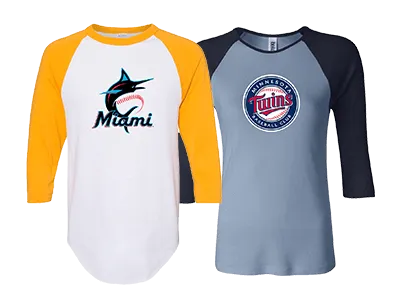
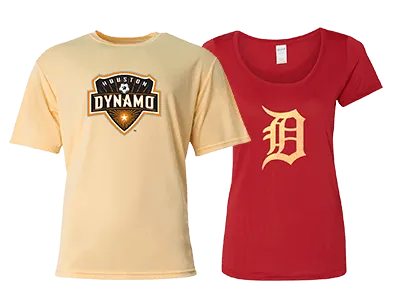
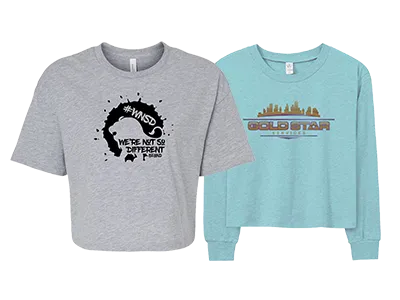
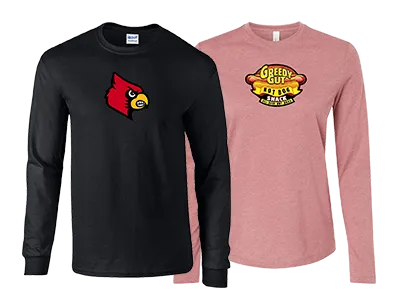
The best way to start flyers is by spotting your audience quickly. Otherwise, you’ll end up running Meta ads to 20-year-olds who live on Instagram and Snapchat. Here are the types of t-shirts and their audiences:
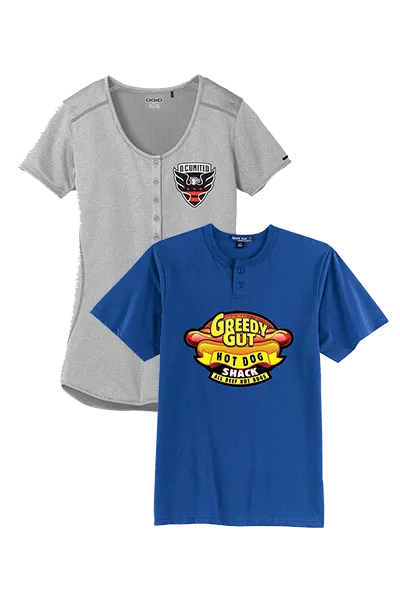
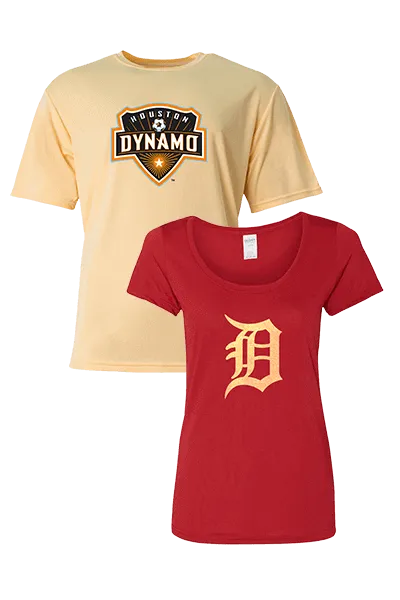
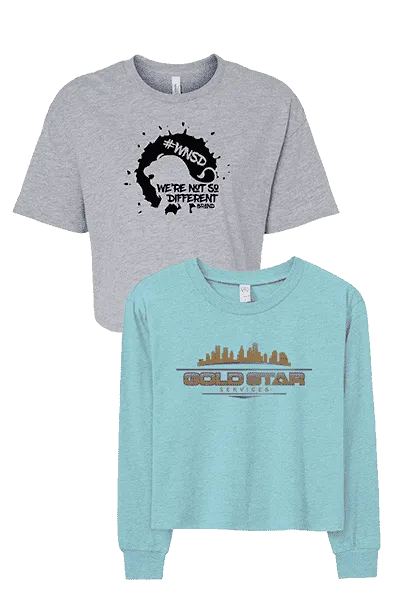
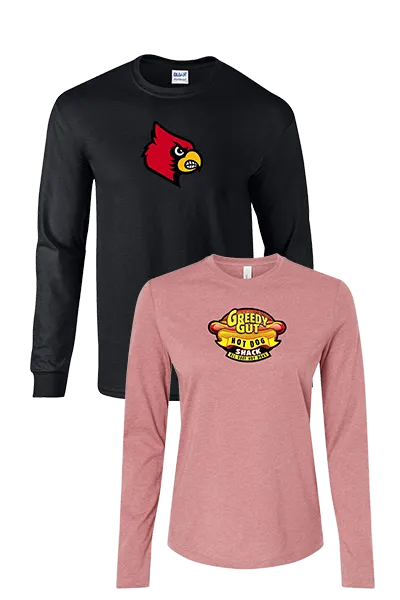
| T-Shirt Type | Gender | Profession |
| Tri-Blend T-Shirts | Male & Female | Students, office workers |
| Cropped Tops | Male & Female | Students, influencers |
| Long Sleeve T-Shirts | $29+/mo + apps | Travelers, Office Workers |
| Athletic T-Shirts | Male & Female | College students, streetwear |
| Workwear T-Shirts | Male (mostly) | Construction & industrial site workers |
| Ring Spun T-Shirts | Male & Female | Office workers |

How to Start a T-Shirt Business FAQs