

Ever bought clothes that feels a little too loose or stretched out? Or perhaps, you accidentally ordered a size too big? No worries! Knowing how to shrink clothes is a simple trick that can save your favorite outfits from being tossed away.
How to shrink your clothes at home is very easy, just start by using hot water. Cotton, wool, and other natural fabrics respond well to heat. Simply wash the clothes in hot water and follow with a high-heat dryer cycle. The heat will tighten the fibers, making the fabric shrink to a smaller size. This works best if you need quick results with one or two washes.
For your query, how do I shrink clothes without damaging them, the answer is simple! For delicate fabrics like wool or silk, try soaking them in warm water and air-drying instead of using a dryer. This gives you more control over the shrinkage. Another option is steam ironing—run a steam iron over the clothes to get the size without causing damage.
Different fabrics shrink in different ways, so always check the care label first. Remember, shrinking clothes is easy if done with the right method. In this blog, we’ll see some easy ways on how to shrink clothes without much hassle. So, let’s get started!
Factors to Consider Before Shrinking Clothes

Before learning how to shrink clothes, it’s important to understand that not all fabrics react the same way. Cotton shrinks easily, but polyester and other synthetic materials may resist shrinking. Knowing the fabric type will help you avoid unwanted damage or uneven results.
Care instructions are also crucial when you’re figuring out how to shrink clothes at home. Fabrics like wool or silk need gentle handling because they may shrink too much with heat. Make sure to always check labels for washing guidelines to prevent damaging your clothes beyond repair. Following is some of the factors that you must consider when shrinking your clothes yourself.


Fabric Type
The fabric plays a key role in how well your clothes shrink. Can you shrink cotton? Yes! Cotton and wool typically shrink more with heat and water. Natural fibers tend to respond better to heat, making them easier to manage for shrinking purposes. Before starting, identify the material and choose a method that matches its characteristics.
Care Instructions for Shrinking Clothes
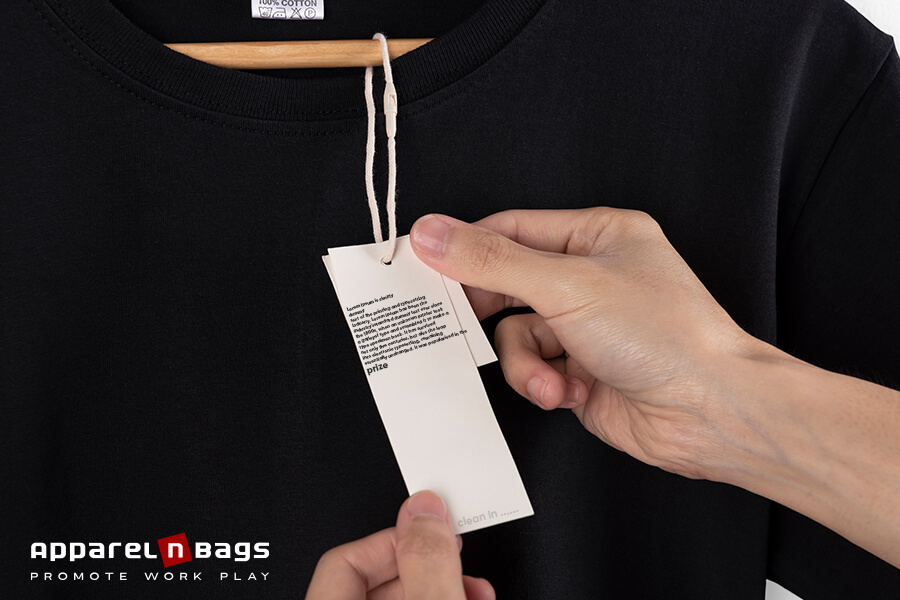
Following care instructions is essential to avoid damage when shrinking clothes. Many people ask how to shrink clothes permanently? The answer is simple: Follow the care label instruction for permanent shrinkage. The labels provide important information about washing temperature and drying methods. Delicate fabrics like wool or silk require warm water and air-drying instead of machine drying.
Ignoring these guidelines could result in excessive shrinkage, damage, or even distortion of shape. Make sure to always stick to the instructions for better results.
Quality of Clothing
The quality of your clothes determines how to make clothes shrink perfectly. High-quality fabrics tend to shrink evenly and maintain their shape, on the other hand, low-quality materials shrink unevenly or develop tears. Over-washing and heat exposure will also reduce the lifespan of poorly made garments. If you want your clothes to fit better without compromising on their quality, choose the method that best suits your clothes’ fabric.
How to Shrink Cotton Clothes?
If you’re wondering how to shrink clothes made of cotton, it’s quite easy. Clothes made with cotton fabrics like t-shirts, jeans, hoodies and sweatshirts respond well to heat. Start by washing them in hot water, then transfer them to a dryer on a high-heat setting. The heat causes the cotton fibers to tighten, resulting in shrinkage.
If you don’t get the desired results, then repeat the process if the first wash doesn’t give the desired fit. Natural cotton fabrics, including denim, flannel, and muslin, may require extra care to avoid shrinking too much. Air-drying or ironing with steam will also helps shrinking the size without damaging the material.
How to Shrink Polyester Clothes?
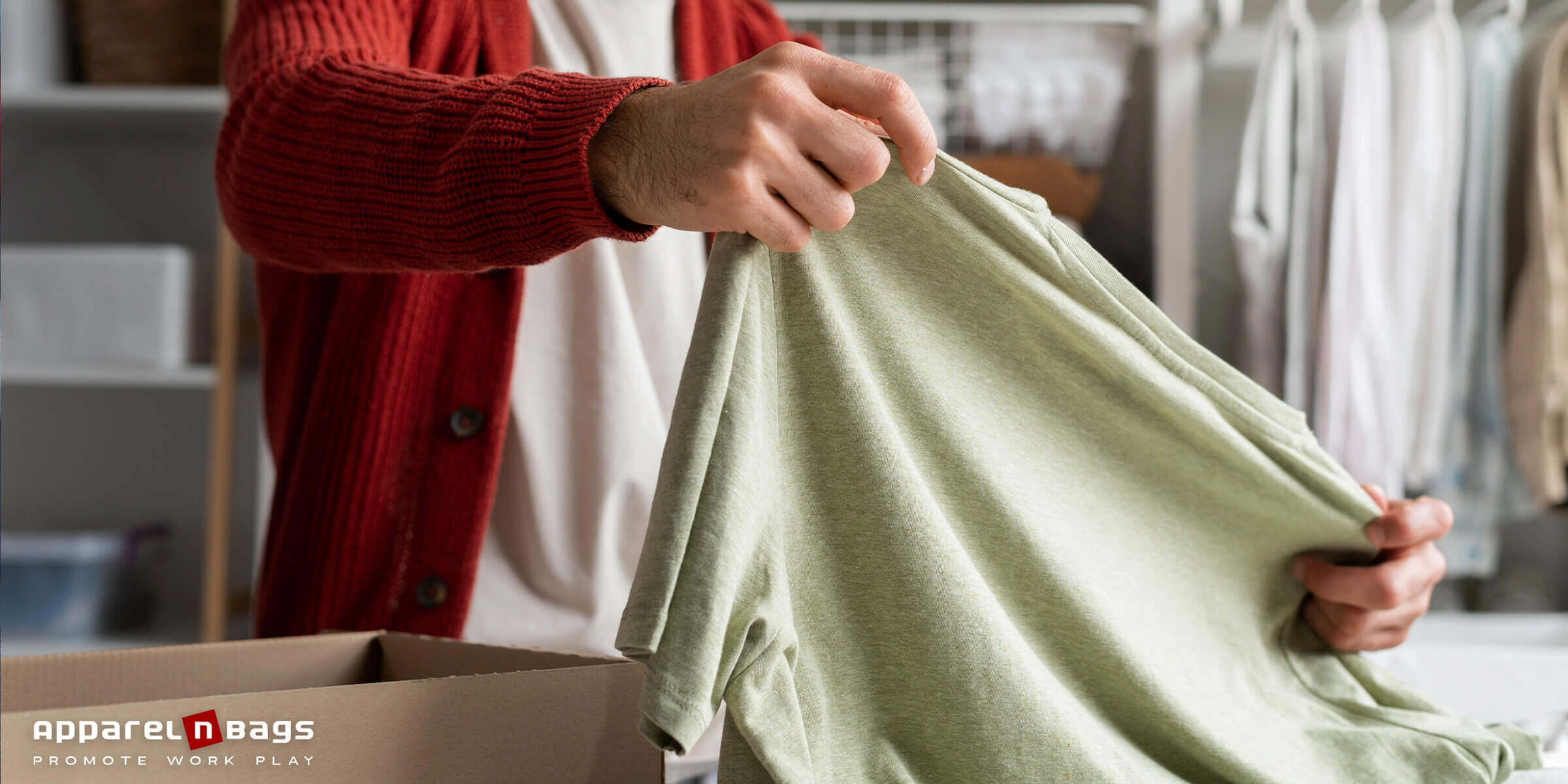
People worry how to shrink clothes made from polyester? As polyester is resistant to shrinkage, applying heat can do the trick. Wash the polyester clothing in hot water and dry it on high heat. This method works best if repeated a couple of times. Be careful not to overdo it, as too much heat might damage the fabric. Polyester is tougher to shrink compared to cotton, but with patience, you can get the desired fit.
Steam pressing is another solution for how to shrink clothes fast. But, just be sure to use low settings to avoid damage. Polyester may take longer to shrink, but with the right steps, you’ll see a noticeable difference.
How to Shrink Wool Clothes?
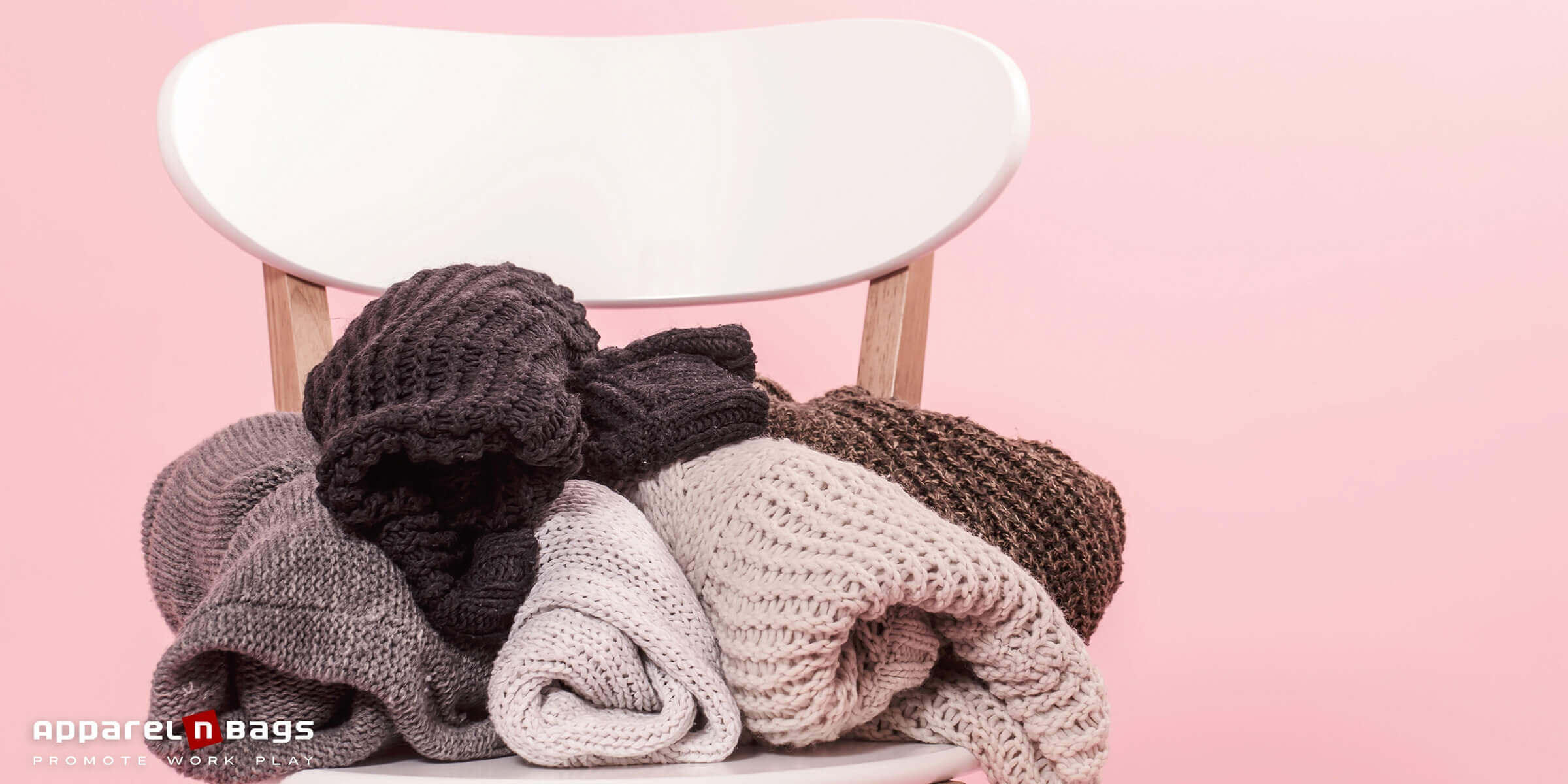
Learning how to shrink clothes like wool makes sure you don’t damage the fibers. The easiest way is to soak the item in warm water for 10-20 minutes, followed by drying it on low heat. Monitor closely to avoid over-shrinking the fabric. This process works well for wool sweaters, socks, or scarves that need a slight size adjustment.
However, remember care is a key when figuring out how to shrink clothing like wool. Wool shrinks quickly, so it’s best to check the garment during each step. If it still feels loose, repeat the warm wash and dry cycle until it fits just right. This process works for sweaters made from wool as well as to shrink jackets, shrink hoodies or even shrink shirts. With careful handling, you can shrink wool items and maintain their softness and original shape.
How to Shrink Denim Clothes?
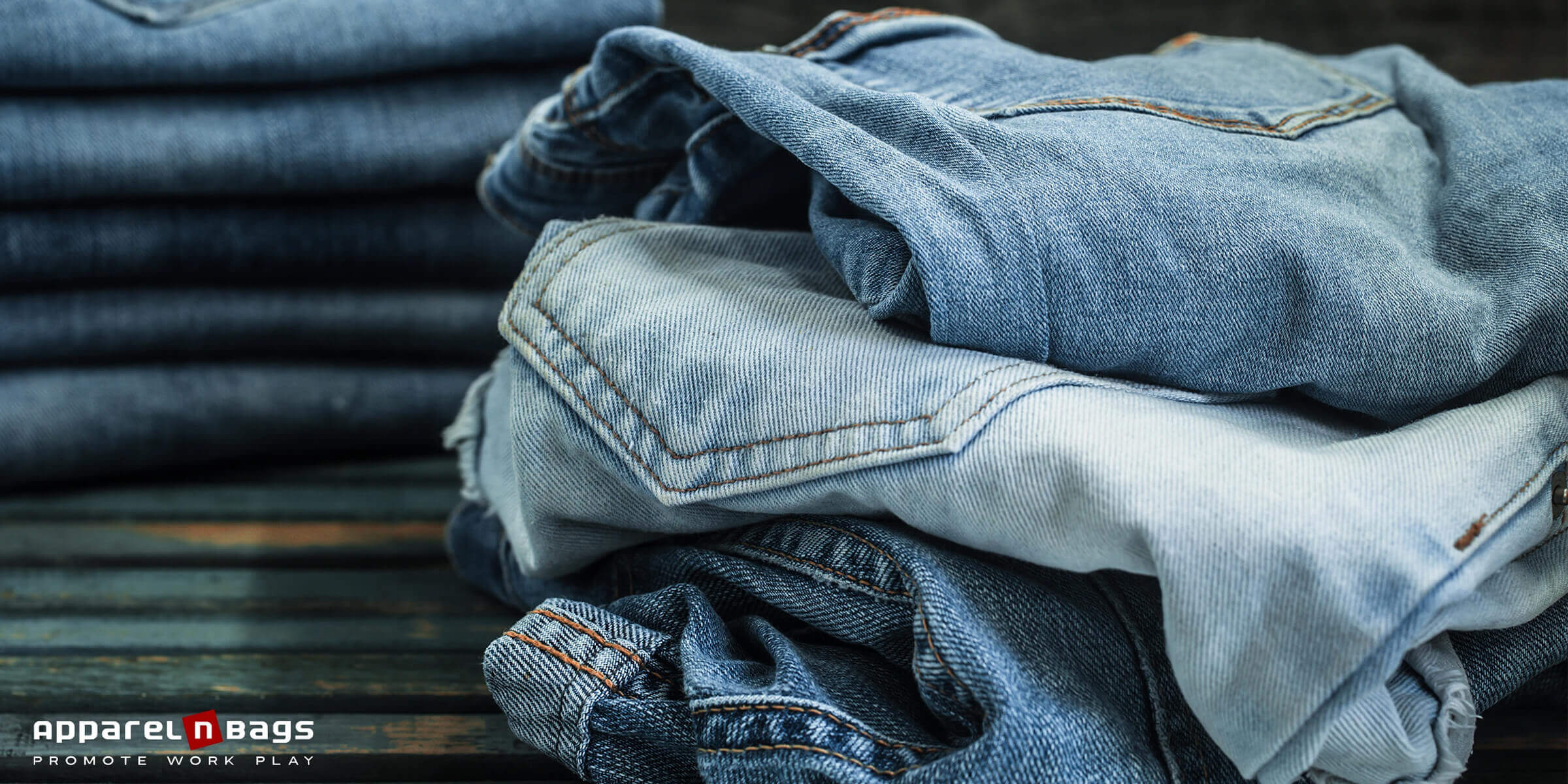
If you’re new to learning how to shrink clothes, then denim is one of the easiest fabrics to work with. To start, wash your denim clothes such as denim jacket in hot water. This heat helps to relax the fibers, allowing them to tighten during the drying process. After washing, put them in the dryer on high heat for about 30 minutes. Keep an eye on them to avoid over-shrinking. This method is effective for getting a better fit without compromising the quality of your denim.
If you’re still not satisfied with the fit after washing and drying and thinking how do you shrink clothes effectively, then you can just repeat the process. But remember that repeated heat may fade the color over time. Alternatively, you can try soaking your denim shirts in hot water for about 20 minutes and then air-drying them. This method can also help achieve the perfect size without risking damage.
How to Shrink Silk Clothes?
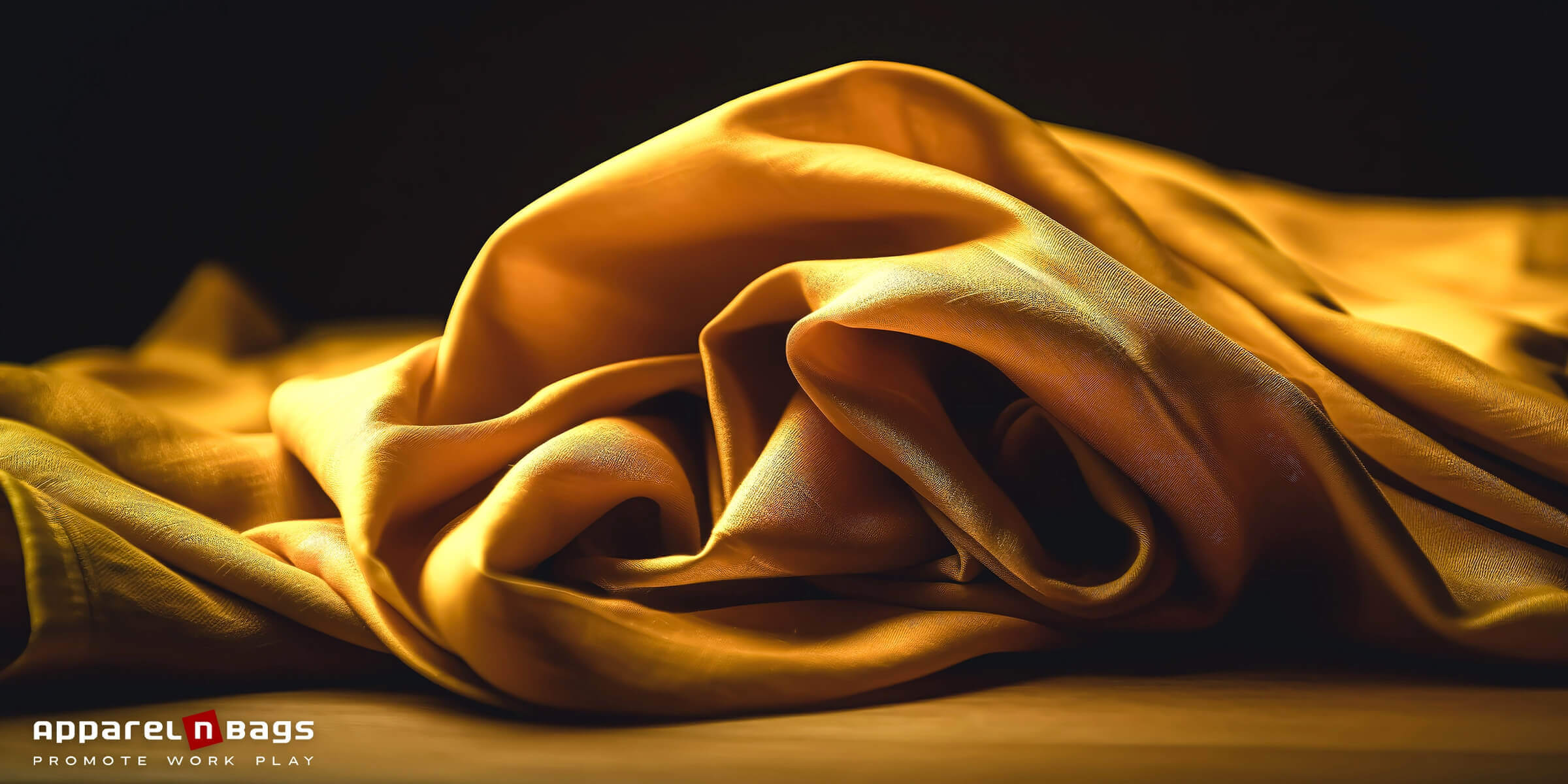
Shrinking silk can be tricky, but it’s doable with the right approach. To learn how to shrink clothes made from silk, start by washing them in hot water. Use a gentle detergent and avoid fabric softeners, as these can damage the fibers. After washing, place the silk item in the dryer on a low heat setting for a short time. This method is the best way to shrink clothes like silk without damaging their quality.
If the initial wash and dry don’t achieve the desired size, repeat the process. Be cautious, as excessive heat can cause irreversible damage to silk. Instead of using high heat, you can try steaming the fabric, which can also help in shrinking clothes without risking harm. Remember to always check the care label before attempting any shrinking methods, assuring your silk remains soft and in its best condition.
Frequently Asked Questions
Conclusion
Shrinking clothes can be an effective way to achieve a better fit. When deciding how do you shrink clothes, always check the care label, select the appropriate method for the material, and proceed carefully to avoid damaging the fabric. If you’re uncertain or dealing with delicate fabrics, start with a gentler approach-like hand shrinking. By following this guide, you can confidently shrink your clothes for the perfect fit.