

Screen Printing is gaining massive popularity among businesses. Individuals and businesses alike utilize screen printing for personal use as well as business branding. However, achieving the best screen printed results require proper equipment and expertise during the process. Factors such as selecting the right mesh count, choosing suitable inks, and color alignment all contribute to the quality of the final product. Learning how to screen print shirts efficiently can help streamline the printing processes for individuals as well as businesses.
The guide is thoughtfully composed to help you learn how to screen print shirts efficiently, the steps to screen print t-shirts, and much more. Read on to learn!
What is Screen Printing on Shirts?
Screen printing, also known as silk screening, is a technique for printing designs or graphics on t-shirts. This printing method uses thick inks that sit on top of the t-shirts rather than being absorbed by it. This technique is used on paper or fabric, but with the right inks, it is also possible to print on metal, plastic, glass, and even wood.


What Do You Need to Screen Print Shirts
When learning how to screen print shirts, you’ll need a few essential items. These include a screen, emulsion, squeegee, ink, and a t-shirt press. You also need a blank t-shirt to print on, a light source to expose the design, and a dryer to cure the ink. These materials form the basis for setting up a successful screen-printing process.
The process involves preparing the screen with your design, applying ink with the squeegee, and curing it with heat. Once these steps are complete, you’ll have a professionally screen-printed t-shirt ready to wear or sell.
Materials and Equipment
Below is the list of things you need for screen printing:
- Screen
- Squeegee
- Ink
- Emulsion
- A press machine to screen print shirts
- A light source is needed to expose your design
- A dryer helps set the ink after printing
Steps to Screen Printing T-shirts
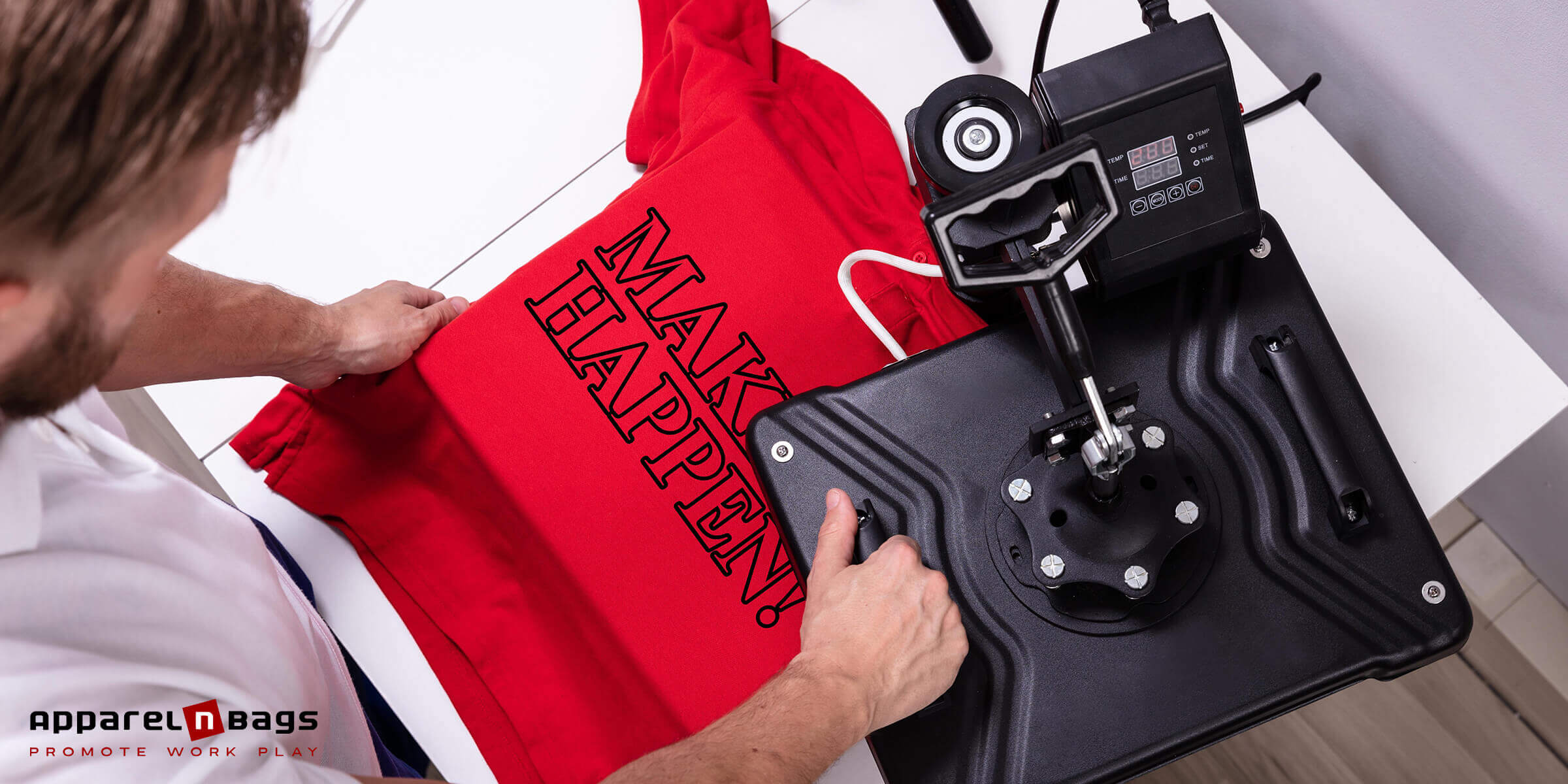
How to screen print tshirt involves a series of steps to achieve professional results. Several factors are essential to keep in mind during the screen printing process to achieve the best results.
Below mentioned are the steps to t-shirt screen printing!
Prepare Your Workspace
Start by organizing your workspace for a smooth workflow. You’ll need enough room for your screen, squeegee, inks, and a drying area. Make sure your space is clean and well-maintained to avoid any mishaps. Lay out all materials in an accessible way so that the printing process flows without interruptions. A clutter-free workspace makes the task easier and assures better results.
Create the Design
Create and finalize the design you want to be printed. Use vector files or high-resolution images for the best results. Adjust the design’s size and layout to fit your chosen t-shirt perfectly. Once finalized, print your design onto transparent acetate film, which will later be used to transfer the design to your screen.
Prepare the Screen
Next, coat your screen with a light-sensitive emulsion in a dark room to avoid exposure to light. Use a squeegee to apply the emulsion evenly across the screen. Once the screen is coated, let it dry in a dark, ventilated area.
Expose the Screen
The acetate sheet with the design is then placed on the emulsion-coated screen. It is then exposed to very bright light. Because the light hardens the emulsion, the parts of the screen covered by the design remain liquid.
If you’re using more than one color in the final design, you have to use a separate screen for each layer of ink. To create multi-colored products, the printer must design each stencil and line them up perfectly to ensure a smooth final design.
Prepare the T-shirt for Printing
Now the screen is placed on the printing press. The printed item is placed flat on the printing board, underneath the screen. There are several types of presses, including manual and automatic styles. But most modern commercial printers will use an automatic rotary carousel printer. That allows multiple screens to work at the same time. You can also use this printer to apply separate color layers in rapid succession for a multicolored screen-printed shirt.
Screen Printing
Place the screen on the printing board for creating a screen-printed t-shirt. Apply the ink on the top of the screen. Use a squeegee to pull the ink all the way down the screen. This forces the ink through the stencil’s open areas. Thus, imprint the design on the product beneath. If the printer is producing multiple items, the screen is raised and a new garment is positioned on the printing board. Repeat the cycle again and again for producing multiple screen-printed shirts. Once the printing process has been completed, remove the emulsion with cold water.
Dry and Cure
Dry the custom printed shirts. This will cure the ink and produce a smooth, colorfast finish. Before you hand over the t-shirt to their new owner, check the final product thoroughly. Also, wash it to remove any residue if required.
Clean Up
After printing, clean your screen and tools immediately to prevent ink from drying and hardening. Wash the screen with water and reclaim any reusable materials for your next project. Keeping your tools in good condition ensures they last longer and gives you better results on future prints.
How to Screen Print T-shirts at Home?
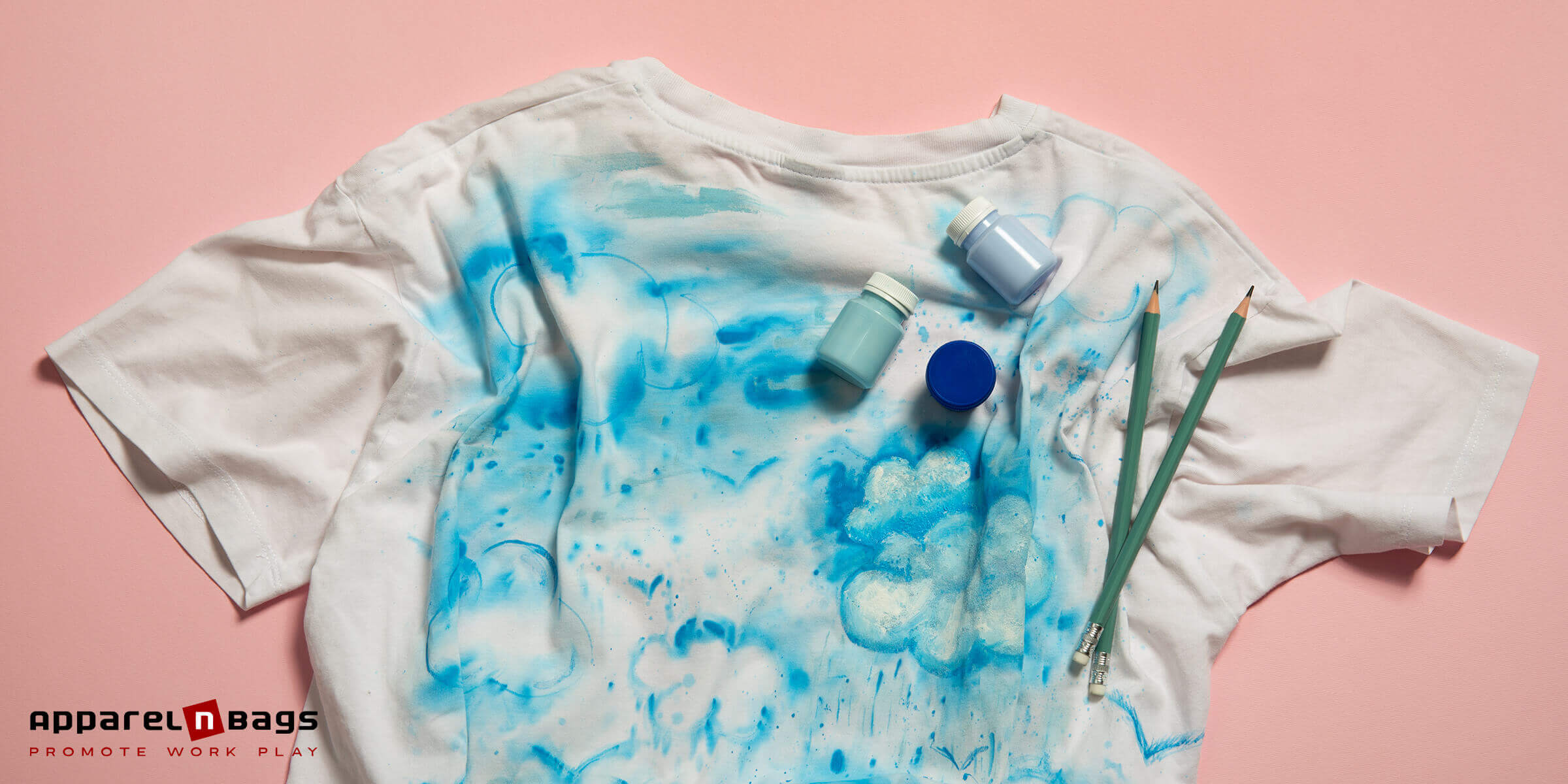
Are you still wondering “how to screen print shirts at home”? Screen printing a t-shirt at home follows a series of steps similar to those used in professional settings. These steps assure that you achieve high-quality results with your custom designs.
First and foremost, it’s important to choose the best type of t-shirt for screen printing. Consider the fabric type, color, and quality of the t-shirts to get the best results.
Choose t-shirts made from 100% cotton or a cotton/polyester blend for optimal results. Cotton is a popular choice as it provides a smooth printing surface and allows ink to adhere well, resulting in vibrant and long-lasting prints. Cotton/polyester blends offer added durability and moisture-wicking properties, making them suitable for active wear.
Choose t-shirts in light or neutral colors for easier printing and better ink visibility as light-colored t-shirts provide a contrasting background for vibrant designs, while dark-colored t-shirts may require additional steps such using specialized inks to assure print opacity.
However, before starting, make sure that your design is appropriately sized and positioned on the screen to achieve the desired placement on the t-shirt. Properly exposing the screen with the design stencil is important for accurate printing.
Choose the appropriate type and color of ink for your design and fabric. Different inks are suitable for various materials and may require different curing methods. It’s essential to test the ink and curing process beforehand to assure compatibility and durability.
Tips For Shirt Screen Printing
Do you still have a question “Is screen printing the best for t shirts”? The answer is absolutely YES. Shirt screen printing is a fun and rewarding way to create custom apparel. However, mastering the process takes practice and patience. To get started, focus on using high-quality materials, such as good inks and screens. Make sure your design is clear and well-prepared as it is the key to producing a professional result. Paying attention to detail will help avoid common mistakes.
If you’re learning how to screen print shirts, start with simple designs and practice on test shirts. Always check for even ink coverage and smooth strokes when printing. Be sure to properly cure the ink to avoid cracking or fading. With consistent practice, you’ll improve your technique and get great results.












Frequently Asked Questions
Conclusion
Learning how to screen print a shirt opens up countless creative possibilities for DIY enthusiasts and entrepreneurs alike. By following the step-by-step process of t-shirt screen printing outlined in this guide, you can transform your blank tees into the best custom apparel that reflect your personal style or brand identity.
With the right materials, techniques, and dedication, you can achieve vibrant and long-lasting results that showcase your style and creativity. So, roll up your sleeves and turn your ideas into real art!