

It is true that you can soften the color of a shirt at home. But if you do not know how to fade a shirt the right way, you can strip the color unevenly and ruin the fabric. Bleaching, heavy detergent, or piles of salt, only breaks the fiber and make it weak.
If you plan to turn your shirt into a cool vintage style, start with this guide. We discussed the four safest methods of how to fade a shirt at home. Follow these steps and create a retro-inspired tee ready for daily wear.


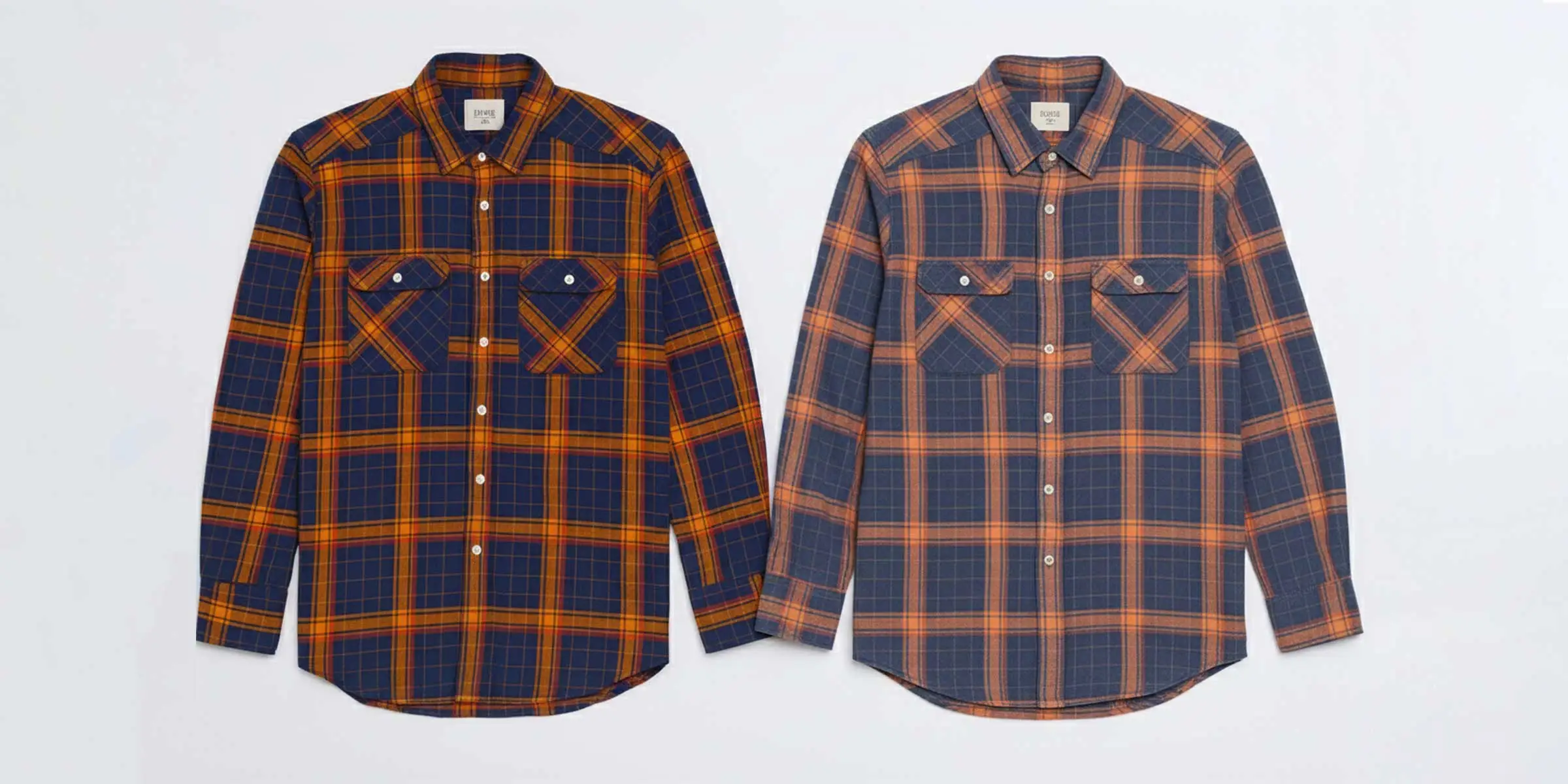
How to Fade Shirts: 4 Safest Methods
Out of all the common ways to fade shirts, some hit the fabric too hard while others mellow the color more than you want. With so many options, we gathered the top four safe methods of how to fade a shirt for you. These methods keep the color soft, protect the fibers, and leave your tee with a clean vintage style that fits right into daily wear.
Method 1: Vinegar Soak (Fastest Results)
Vinegar carries acetic acid with a pH around 2.5. It loosens the dye in the shirt and helps the color wash out fast. The dye lifts from the fabric and moves into the water as the soak works. Warm water speeds this process and gives fast and even results.
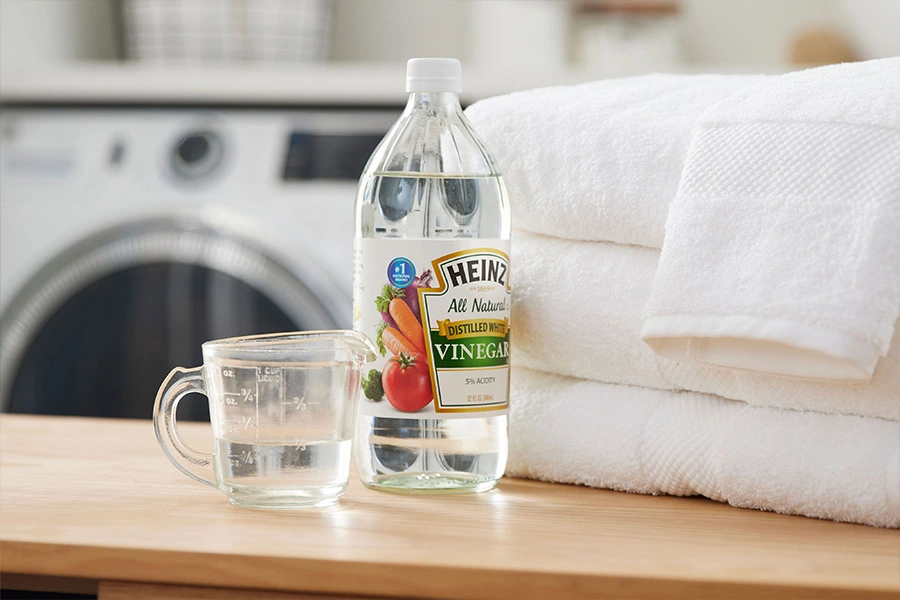
What you need:
- 1 cup white vinegar (that’s 8 fluid ounces)
- Large bucket or sink (needs to hold at least 2 gallons of water)
- Hot water as hot as your tap goes
Steps to use vinegar to fade a t-shirt naturally:
- Fill about three-quarters of a bucket with hot water. The hotter the water, the faster the fade happens.
- Pour in 8 ounces (one cup) of vinegar. Stir the water until you notice a faint vinegar smell.
- Place your shirt into the vinegar water. Push it down so it is completely soaked. Make sure every part of the fabric is underwater. No part of the shirt should float or stick out.
- Let it soak for 2 hours. Pull it out and check the color. If you want more fading, put it back in for another hour.
- Once you get the desired color, remove the shirt and rinse it under cold water for 2 to 3 minutes. This helps remove most of the vinegar smell.
- Wash the tee with regular detergent. This will remove any leftover vinegar smell and leave your shirt ready to wear.
- Pros: Works fast, super cheap, won’t damage fabric, easy to control how much you want to fade your shirt.
- Cons: The vinegar smell is strong while you’re doing it.
- Tip: If the color is very solid, add one table spoon of baking soda.
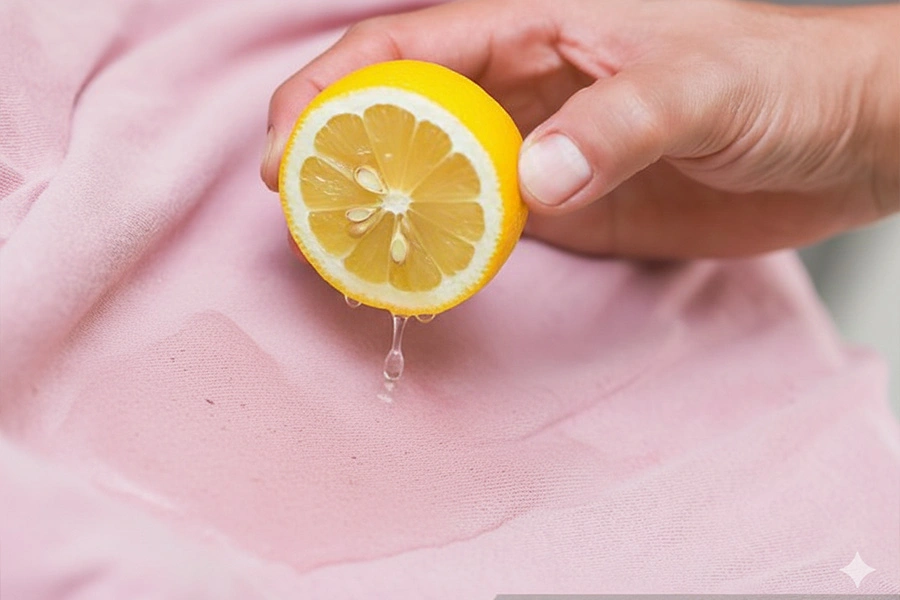
Method 2: Lemon Juice Plus Sun (Most Natural)
Time needed: 4 to 8 hours depending on how sunny it is
Curtains on outside windows that catches sunlight day after day lose their color quickly. It is not because the fabric is poor quality or the dye is cheap. It happens because the sun carries UVA and UVB rays, which break down fabric dyes.
You can use these same rays to fade a shirt. To make it even quicker, you need to apply lemon juice. Lemon juice has citric acid that unties the chemical bonds of the color and fabric of your shirt. The combination results in quick fading that looks natural too, and without damaging the shirt.
Here is how to make a shirt look faded with lemon juice and sunlight.
What you need:
- Water
- Spray bottle
- 4 to 6 fresh lemons or half a cup of bottled lemon juice
- Sunny spot outside or by a window (needs direct sunlight)
Steps to use lemon juice with sun light to fade a t-shirt:
- Put 8 tablespoons of lemon juice into water.
- Pour the mixture into a spray bottle.
- Lay your shirt flat on the ground outside where sunlight hits directly.
- Spray the lemon mixture all over the shirt. Make sure every part gets wet.
- Leave the shirt outside for at least 4 hours. The sun’s UV rays and the lemon juice break down the dye molecules.
- When it looks dry, spray it again with more lemon mixture. Remember, keeping it damp speeds up the fading process.
- After 4 hours, rinse the shirt with cold water. Hold it under the faucet and squeeze out the lemon juice. Keep rinsing until the water runs clear.
- Pros: All natural, smells fresh, creates soft vintage fading.
- Cons: Takes longer than vinegar, might attract bees or wasps.
Method 3: Bleach Fade (Most Powerful Method)
Most shirt fade methods take time. Some take hours or even whole afternoon. But, bleach works faster. It has sodium hypochlorite that breaks the dye and pulls the color out in minutes.
That much speed also brings risk. It can damage the fabric if you rush. So you need to know how to fade a shirt with bleach safely before you start.
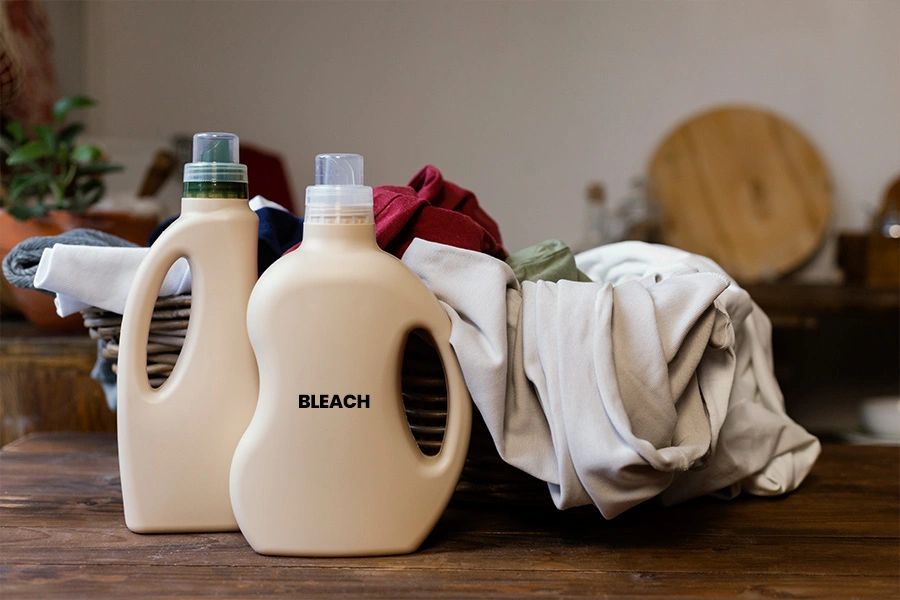
What you need:
- Rubber gloves (bleach burns skin)
- Large bucket (5-gallon size works great)
- Household bleach that has sodium hypochlorite
- Cold water (this slows down the bleach reaction)
- Well-ventilated area (bleach fumes are strong)
Steps to use bleach to fade tees:
- Fill the bucket with 4 gallons of cold water.
- Add bleach in a 1 to 5 ratio. That means 1 cup of bleach for every 5 cups of water. For a 5-gallon bucket, add about 1 cup of bleach.
- Drop your shirt into the bleach water. Make sure every part is underwater and completely soaked.
- Keep the shirt in the mixture until it reaches the color you want. Keep a close eye on it because it only takes a few minutes to fade the color.
- Once you get the result, pull the shirt out and rinse it immediately.
- Hold the shirt under running cold water for at least 3 minutes. Keep rinsing until the water runs clear and the bleach smell is gone. This stops the bleaching process.
- Wash the shirt in your machine with mild detergent. Use extra detergent to neutralize any remaining bleach.
- Air dry the shirt to see the final color. The shirt will look lighter once it dries.
- Pros: Works incredibly fast, creates dramatic fading, can shift a shirt from black to white.
- Cons: Can damage fabric if used wrong, strong chemical smell, dangerous if it touches skin.
- Caution: Bleach has strong chemicals that can harm your skin. Use rubber gloves. Since it reacts very fast, do not keep the shirt in the bleach water for more than 15 minutes.
Method 4: Hot Water Washing (Easiest Method)
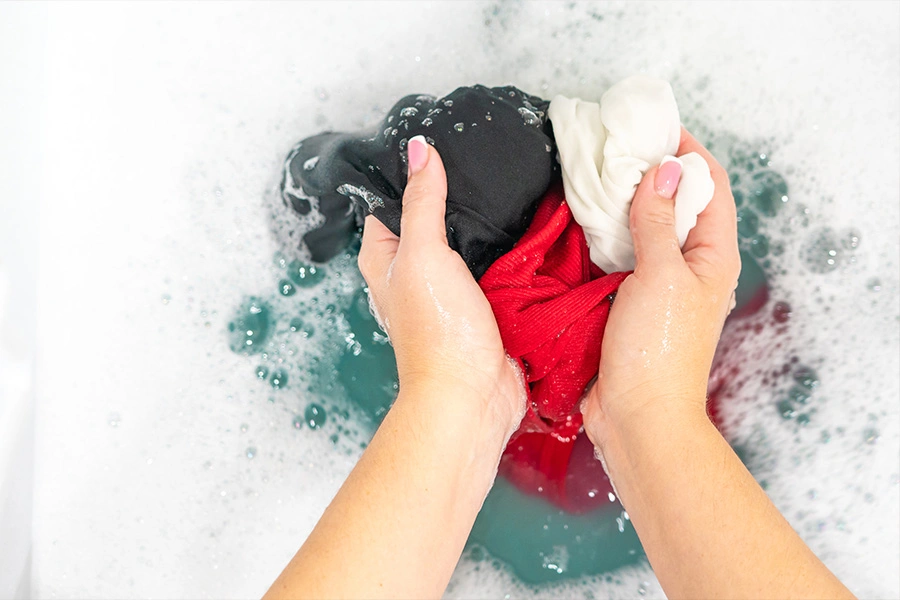
Mostly the process of fading a shirt involves some chemicals, like vinegar, lemon juice, or even bleach. But this is the simplest and almost “no-equipment” method of fading a shirt. Actually, hot water opens up the fibers. That way the fiber releases the trapped dye molecules, and you get the tees with a vintage look.
Here’s how to make a shirt fade with hot water:
What you need:
- Washing machine
- Hot water setting
Steps to use hot water to fade t-shirt smoothly:
- Put your shirt in the washing machine with hot water.
- Set your machine to the hottest water setting. Most machines have settings like cold, warm, hot, and sometimes extra hot or sanitize. Pick the hottest one.
- Use your regular amount of detergent.
- Run a full wash cycle. Let it complete the whole thing including the rinse and spin.
- Repeat this process 3 to 5 times. Each wash will fade the shirt a little more.
- Between washes, you can check the dry color. Pull it out after wash number two and let it air dry. This shows you the true faded color. If you want more fade, wash it again.
- After your final wash, dry the shirt on high heat. The dryer heat adds extra fading on color.
- Pros: Zero effort (just press a button), no weird smells, and no chemicals.
- Cons: Uses a lot of water and electricity.


Comparison Chart: Which Shirt Fading Method Is Right for You?
All four methods mentioned above work well, but each comes with its own pros and cons. To make it easier for you to choose the best one, we created a comparison table showing how to fade a shirt without ruining the fabric. Take a look and pick the method that fits your style and needs perfectly.
| Method | Time Needed | Fade Strength | Best For | Cost |
|---|---|---|---|---|
| Vinegar Soak | 2-4 hours | Strong | Cotton, rayon, linen | Under $2 |
| Lemon Juice + Sun | 4-8 hours | Medium-Strong | Cotton, linen, light fabrics | Under $3 |
| Bleach | 5-15 minutes | Very Strong | 100% cotton, denim, heavy cotton | Under $3 |
| Hot Water Washing | 3-5 wash cycles | Gradual | Cotton blends, all fabrics | $5-10 |
Pro Tips on How to Fade a Shirt without Damaging It!
There are many chemicals that can easily fade tees, but what about the fabric? The faster they change the color, the more they can damage the fabric. That is why it is important to know some common precautions to follow.
Here’s how to fade a shirt without ruining the fabric.
- Before you fade the whole shirt, test a small hidden spot of shirt. The inside of the hem near the bottom works great. Try your chosen method on that spot for half the recommended time. Check if the fabric feels weak or if the color fades weird. This test shows you how the fabric will react.
- You can always fade a shirt more, but you can’t un-fade it. Start with less time than recommended and add more if needed. It’s better to repeat the process twice for perfect results than to over-fade on the first try.
- Protect graphics and prints. If your tee has any print, then turn the shirt inside out before fading. This protects the graphic from direct contact with fading solutions.
- Always rinse faded shirts in cold water after the fading process. Because, hot water keeps removing dye.
- After the first round of fading, dry the shirt and examine the color. Wet tees often appear a bit darker, and the shade lightens as they dry. If you want more fading, you can always do another round.
- Read the tag carefully. If it says “pigment dyed,” “garment washed,” “reactive dyes,” or “colorfast,” it means you can dye the shirt. Otherwise, it is advised to check online first before applying any chemicals.
- A lightweight summer tee will fade way quicker than a heavy cotton shirt. Thin fabric has less material, so there’s less dye to remove. It also soaks up solutions faster. Thick shirts need longer soak times or multiple rounds.
- After sun bleaching or extended vinegar soaking, fabric can feel rough and stiff. The fading process removes natural oils from cotton fibers. Add a little fabric softener in the final wash cycle to restore softness.
Types of Fabrics to Fade a Shirt
Some fabrics absorb solutions easily and fade smoothly, while others resist color changes or can be damaged in the process. Before applying any fading method to a shirt, check the table below to see whether your tee is suitable for the fading process.
| Fabric | Recommended | Why |
|---|---|---|
| Cotton | Yes | Cotton has natural cellulose fibers with loose weave structure that easily absorbs water and chemicals. This openness allows the dye molecules to be lifted without significantly damaging the fabric’s strength. |
| Polyester | No | Polyester is a synthetic fiber with tightly bonded polymer chains that resist water absorption and hold dye permanently through chemical bonding. |
| Cotton-Polyester Blend | Partially | Blends fade unevenly because cotton fibers release dye while polyester fibers hold color. |
| Silk | No | Silk contains “fibroin” a delicate protein-based fiber that breaks down quickly when exposed to acids like vinegar or lemon juice. It causes permanent damage and weakens the fabric structure. |
| Linen | Yes | Linen has natural plant fibers similar to cotton with a porous structure that absorbs fading solutions rapidly. It often fades faster than cotton while maintaining fabric durability. |
Common Mistakes to Avoid When Fading T-Shirts
- Using bleach incorrectly: Bleach is powerful, but a little too much or too long and it can eat through your fabric or leave weird and uneven spots.
- Over-soaking: Leaving your shirt in water or solution forever makes the fibers tired and fragile.
- Wrong fabric types: Not every fabric is for fading. Silk and polyester can get ruined if you try fading them.
- Ignoring color-fastness: If your shirt isn’t colorfast, the dye can run or fade in strange ways.
- Not rinsing properly: Leaving chemicals behind is like you forget to turn off the chemical process. They keep reacting and slowly wreck your shirt.
- Extreme heat damage: Hot water or dryers might shrink, warp, or change the feel of your tee.
















Frequently Asked Questions
Conclusion
Now you know how to fade a shirt at home using chemicals that are commonly found in house. But when fading a shirt, remember that you can always fade more, but you cannot restore the color once it’s gone. So, fade slowly and check the color at every step.
Also, always read the care tag on the shirt and follow any warnings before applying anything. Otherwise, in trying to mellow the color, you could end up damaging the fabric.