

“How much does it cost to make a shirt?” is one of the most asked queries when it comes to investing in custom t-shirts.
Well, there is no single answer to this question as the final cost of a shirt varies depending on style, material, labor cost, and the customization method. These involved factors create a big difference between retail and manufacturing prices, ultimately influencing the final price tag.
This blog will help you learn “how much does it cost to make shirts”, as well as navigate factors that impact the average shirt price. It will also help you understand “how much does t shirt printing cost” so you can make an informed decision for your custom projects.
How Much Does an Average Shirt Cost?
How much does a shirt cost? The average cost of a shirt can vary depending on factors like fabric quality, style, materials that it is made from, and the brand.
An average shirt may start at a lower price point, while designer or custom-made shirts can be significantly more expensive.
For basic t-shirts made from cotton, prices range from $5 to $20. These shirts are often manufactured in bulk to meet the consumers’ increasing demands.
For shirts made from higher-quality materials such as organic cotton or polyester, prices might range from $20 to $50. These shirts tend to be more comfortable, durable, and environmentally friendly, appealing to a more eco-conscious consumer audience.
How Much Does It Cost to Make T Shirts In Bulk?
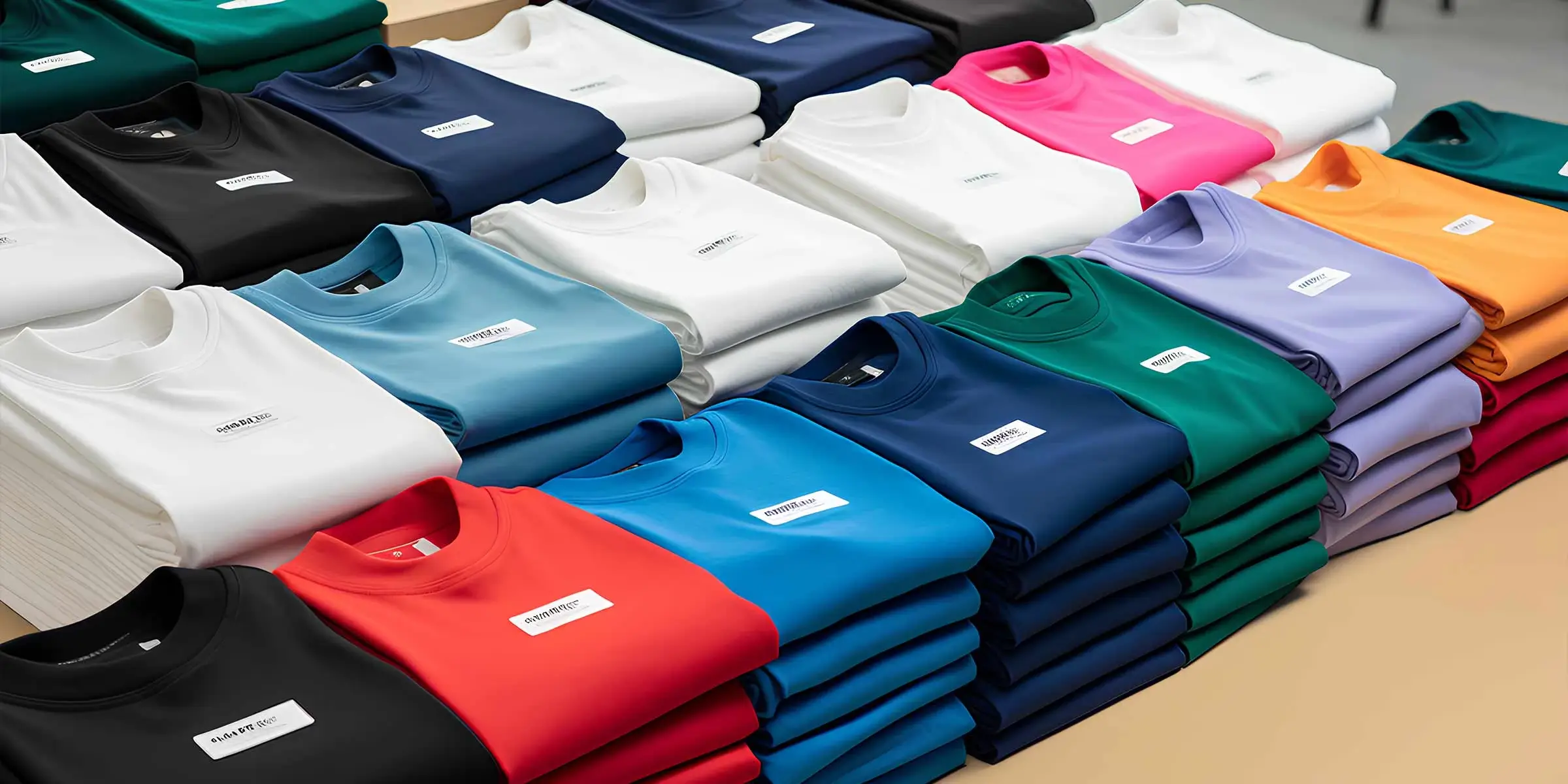
The cost of producing t-shirts in bulk is significantly lower. When ordering large quantities, manufacturers can spread out fixed costs like setup fees, which reduce the cost per unit.
Bulk orders also enable the efficient use of materials and labor, as the processes can be streamlined for larger production runs.
For instance, purchasing fabric and other materials in bulk often comes with discounts from suppliers, further cutting down the overall production cost.
The Cost Breakdown for Pricing a Shirt
Here’s a breakdown of the average costs involved in producing shirts:
Materials
The material of a shirt has a significant impact on the cost of shirt, and can increase or decrease the average shirt price.
For example, shirts made with materials like organic cotton or bamboo blends are relatively pricier but last longer. However, shirts made with cotton are comparatively reasonably priced as they are less durable than the ones that are made from organic cotton or bamboo blends. Hence, the material choice impacts the final cost of a shirt.
Labor
When considering the cost of a shirt, one of the most significant factors is labor cost. The cost of labor includes wages for workers managing tasks such as cutting, sewing, and printing the shirt. Labor costs can also vary depending on location and skill level required for producing or printing shirts.
Overhead
Overhead costs cover expenses such as rent, utilities, equipment maintenance, and administrative costs that occur during the shirts making process. These costs are also factored into the shirt’s final pricing for maximum profits.
Marketing and Distribution
Marketing expenses include promotional campaigns, advertising, and brand development efforts. In addition to marketing expenses, the cost of a shirt also get impacted by distribution costs which often cover shipping, packaging, and logistics to get the shirts to consumers.
How Much Does T-shirt Printing Cost?
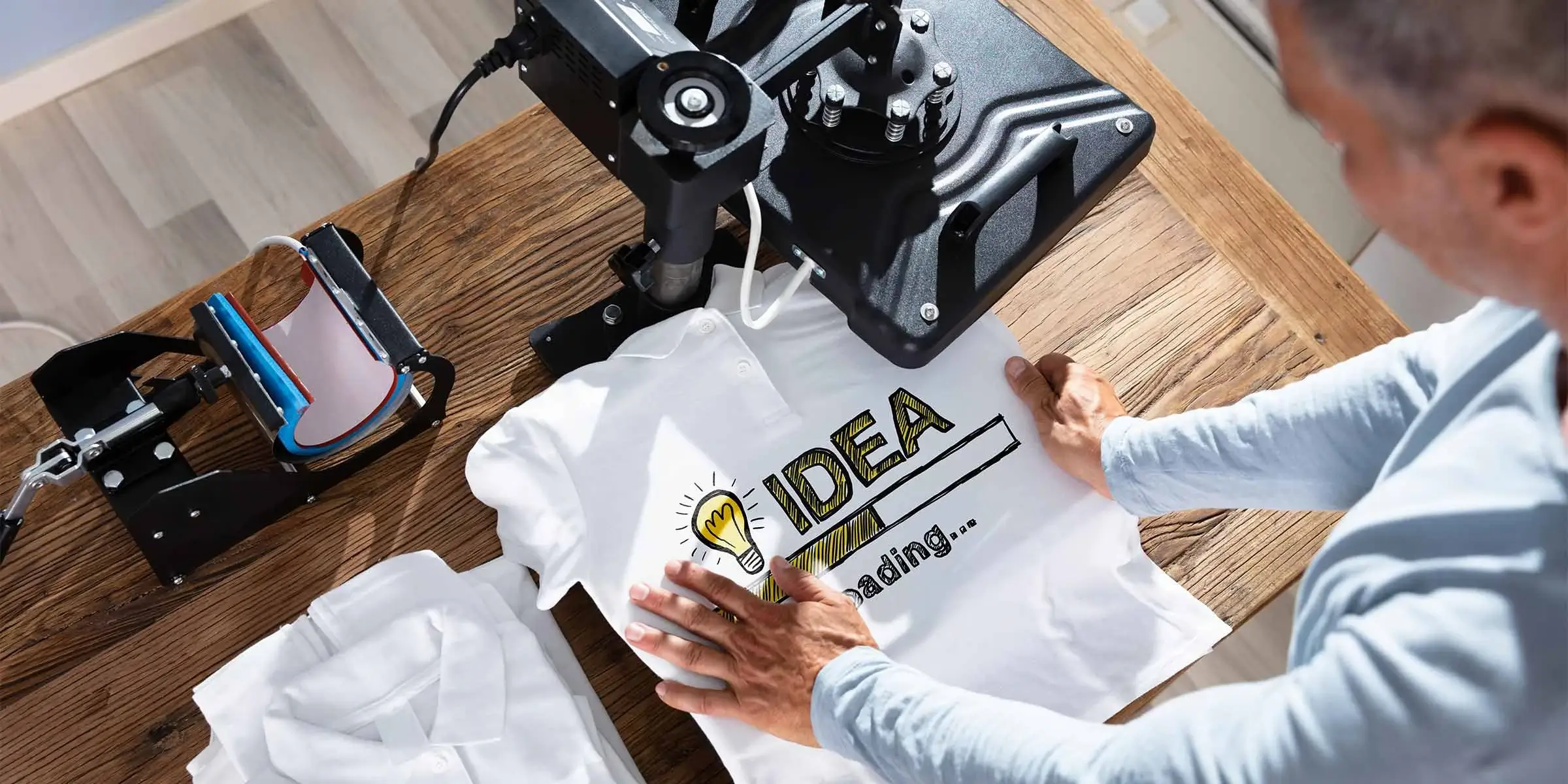
Since you have learned, “How much does it cost to have shirts made?” now, let’s learn, “How much does t-shirt printing cost?”
The cost of t-shirt printing varies significantly based on the printing method used, order quantity, and fabric choice. Here’s the breakdown of cost involved in t-shirt printing:
T-Shirt Printing Prices Vary by Order Size
Printing shirts in large quantities helps minimize costs per piece, making it affordable for you.
Additionally, suppliers may offer volume discounts, further lowering the overall price of custom shirts for your businesses. For businesses seeking a certain number of shirts, ordering in bulk can result in amazing savings.
Additional Features Come with Added Costs
Custom finishes such as specialty inks might also result in increased printing costs. It also involves additional labor and materials, resulting in further higher prices.
While these features enhance the visual appeal of the shirts, they also maximize the overall cost of a shirt. Therefore, make sure you know your budget before placing an order for custom t-shirts. Talk to the supplier regarding your order requirements, your budget, and the time when you need custom t-shirts for your businesses.
Affordable Options for Bulk Printing
Choosing simpler designs or opting for one-color prints can reduce printing costs while maintaining quality. Simpler designs minimize the setup time and material usage, particularly in screen printing, where each color requires a separate screen.
One-color prints are faster to produce, resulting in lower costs. This approach is ideal for bulk t-shirts orders where you have a limited budget.
Fabric Durability and Quality
Using durable fabrics and high-quality inks for customization might increase the final cost of a shirt; but, it ensures longevity, and reduce the need for frequent replacements. High-quality fabrics like organic cotton or polyester blends withstand repeated washing and wearing, maintaining their shape and appearance over time. Hence, it is wise to invest in the t-shirts that can last long.
Sustainability
Eco-friendly clothing options may initially cost more but appeal to environmentally conscious consumers. Although these methods can be more expensive due to higher material costs; however, they attract a certain number of consumers who prioritize sustainability. This helps in increased sales and brand loyalty, ultimately benefiting the business.
Color
The number of colors used in a design affects printing costs. Simplifying designs to use fewer colors can help control costs while still delivering high-quality prints.
Screen Printing and DTG Methods
Screen printing, for example, is highly cost-effective for large orders because it allows for mass production once the initial screens are set up. However, the setup process involves creating individual screens for each color in the design, which can be expensive and time-consuming, making it less economical for small runs.
On the other hand other customization methods, such as Direct-to-garment printing is ideal for small batches and intricate designs. DTG doesn’t require extensive setup since it works more like a traditional inkjet printer, directly applying the ink onto the fabric.
7 Tips to Reduce Cost of a Shirt

You have got answer to your query, “How much does it cost to make a shirt”? Now let’s talk about how to reduce cost of a shirt. Here are practical tips to help you save money without compromising on quality:
Quality over Quantity
Make sure to prioritize quality over quantity when it comes to buying a shirt. Investing in high-quality shirts that last longer will help you use them for long period, minimizing the need to get news ones frequently.
In addition, by choosing quality over quantity, you save money in the long run as these shirts maintain their appearance over multiple washes. They also withstand wear and tear better while maintaining their comfortable appeal.
Check the Fabric
When evaluating how much to make a shirt, it’s important to go for shirts made from durable, low-maintenance fabrics. Natural materials such as cotton and organic cotton blends are typically a reliable choice, as they are more durable and comfortable. They are also breathable and lightweight and easily withstand frequent washing and wear.
This focus on quality can ultimately reduce the overall cost of a shirt. By investing in durable fabrics, you reduce the need for frequent replacements, leading to long-term savings. Higher-quality shirts tend to have a longer lifespan, making them a more economical choice in the long run.
Explore Secondhand and Thrift Stores
Buying shirts from thrift stores is a good and relatively lowest investment. Thrift stores and secondhand shops often offer pre-owned and high-quality shirts at the lowest prices.
These shirts are just as stylish and durable as new ones, while offering you significant savings.
Go for Sustainable Brands
Support brands that prioritize eco-friendly practices, aligning with consumer preferences and reducing long-term environmental impact. Sustainable brands often use organic or recycled materials and employ ethical manufacturing processes.
While these shirts might be slightly more expensive initially, they offer better durability and align with values of environmental responsibility. This not only helps in reducing your carbon footprint but also appeals to a growing market of eco-conscious consumers.
Learn Basic Sewing Skills
Basic repairs and alterations can extend the life of your t-shirt, minimizing replacement costs. Learning to sew buttons, mend small tears, or adjust hems can reduce the need of buying new clothes.
Take Good Care
Make sure to properly take care of your shirt to maintain its quality and maximize its life span. Wash your shirts in cold water, using gentle detergents, and avoiding excessive drying as it will help prevent damage and fading. Moreover, storing your shirts properly, such as hanging them or folding them neatly, helps maintain their shape and appearance. By taking care of your shirts, you make sure they remain in good condition for a longer period, reducing the frequency of replacements and saving money.
DIY Customization
You can save on customization fees with the help of DIY customization practices. Techniques like fabric painting, tie-dyeing, and adding patches or embroidery allow you to personalize your shirts at home, and help in reducing the average shirt price. This creative approach can also be a fun and rewarding way to refresh your wardrobe without incurring high costs associated with customization services.










Frequently Asked Questions