

The significance of eCommerce platforms for businesses cannot be overstated, particularly in light of the ever growing global eCommerce market. In 2021, global eCommerce sales reached a staggering $4.9 trillion USD, showcasing the immense potential and reach of online retail.
With eCommerce experts indicating that these sales will surpass $6.38 trillion USD by 2024, the importance of eCommerce platforms becomes even more apparent. Leading eCommerce platforms like Shopify, carrying over 1.7 million businesses on its platform as of 2021, and WooCommerce, powering approximately 28% of all online stores, serve as the best eCommerce platforms for small to mid-size businesses.
These eCommerce platforms provide businesses with the necessary infrastructure to manage and grow their online stores. Moreover, they help them to reach a global audience, operate 24/7, and capitalize on the rapidly growing eCommerce market. However, with various options available, it often becomes daunting to choose the best eCommerce platforms for your small business.
eCommerce platforms offer various features such as secure payment gateways, marketing tools, and integration capabilities. This empowers businesses to streamline operations, enhance customer experience, and increase growth.
The guide explains everything you need to know about eCommerce platforms. It defines “what is an eCommerce platform”, “what type of eCommerce platforms are there”, and “how to choose the best eCommerce platforms for your business”.
Read on to learn “how to choose an ecommerce platform for your business”!

eCommerce platform is an online software that allows people to buy and sell items over the internet. It provides the necessary tools and functionalities to help create an online store, manage inventory, and handle other aspects of the eCommerce business. Today’s forward-thinking businesses use cloud-hosted eCommerce websites as compared to self-hosted ones due to their advanced functionalities.
What Types of eCommerce Platforms Are There?
There are several types of eCommerce platforms available. The most popular and the top eCommerce platforms for small business include cloud hosted and self-hosted. Each comes with its own features, functionalities, and benefits for different businesses in various industries.
Small to mid-size businesses and large corporations in different industries, such as healthcare and medical, IT, and education, employs both self-hosted and cloud-hosted eCommerce platforms in accordance with their different requirements.
Cloud Hosted
Cloud hosted ecommerce platforms, also known as hosted platforms provide businesses with fully managed eCommerce solutions. They are most advanced platforms where the platform provider hosts and maintains the online store on their servers. These platforms offer simplicity of functions, convenience, and scalability, making them the best platforms for ecommerce website. Some best cloud hosted eCommerce platforms include Shopify, BigCommerce, and eCommerceMD.
Self-hosted
Self-hosted eCommerce platforms are solutions that enable businesses to build and manage their online stores on their own servers. Unlike hosted platforms where the eCommerce infrastructure is provided by a third-party service, self-hosted platforms give employers greater control and flexibility over their websites.
With self-hosted solutions, businesses can customize every aspect of their eCommerce store, from design and functionality to security and performance optimizations. These platforms often require more technical expertise for setup and maintenance but offer scalability and customization options for small businesses. A few examples include WooCommerce, Magento, OpenCart, and others, each with its own set of features and capabilities to suit various business sizes and requirements.

Self-hosted and cloud-hosted eCommerce platforms offer varied benefits, catering to different business requirements and preferences. Self-hosted solutions provide businesses with complete control over their online stores, allowing for extensive customization and flexibility. With self-hosted platforms, businesses can choose their own hosting provider, optimize server performance, and implement custom features to suit their specific requirements.
Additionally, self-hosted platforms often offer more affordable pricing options and greater scalability, making them ideal for businesses seeking long-term cost savings and growth opportunities. On the other hand, cloud-hosted eCommerce platforms offer convenience and ease of use, as they handle server management, security updates, and technical support.
Cloud-hosted solutions typically require less technical expertise to set up and maintain, making them accessible to businesses without dedicated IT resources. Moreover, cloud-hosted platforms often come with built-in features for reliability, scalability, and security, ensuring optimal performance and uptime for online stores.
Cloud-Hosted Benefits
- Ease of Use: Cloud hosted platforms offer intuitive interfaces and user-friendly tools, making it easy for businesses to set up, manage, and customize their online stores without requiring technical expertise.
- Scalability: Cloud hosted platforms are highly scalable, allowing businesses to easily adjust resources and manage growth in website traffic, product catalog size, and sales volume.
- Maintenance: Platform providers handle server maintenance, security updates, and software upgrades. It frees businesses from the burden of managing technical aspects of their eCommerce websites.
- Support: Cloud hosted platforms, such as Shopify, BigCommerce, and eCommerceMD provide exceptional and full-service customer support, including technical assistance, troubleshooting, and training resources, to help businesses resolve issues and optimize their online stores.
Self-Hosted Benefits
- Customization: Self-hosted platforms provide businesses with access to the platform’s source code, allowing for extensive customization.
- Control: Businesses have full control over their hosting environment, allowing them to optimize performance, security, and scalability according to their needs.
- Flexibility: Self-hosted platforms offer flexibility in terms of integrations with third-party tools and software solutions. This allows businesses to create customized experiences for their users.
- Ownership: Businesses own and maintain their eCommerce websites, giving them complete autonomy over data, content, and operations.
Whether businesses opt for self-hosted or cloud hosted platforms, it depends on factors such as technical expertise, customization requirements, and scalability requirements. Budget constraint is another important factor that businesses must consider when choosing the best eCommerce platforms.
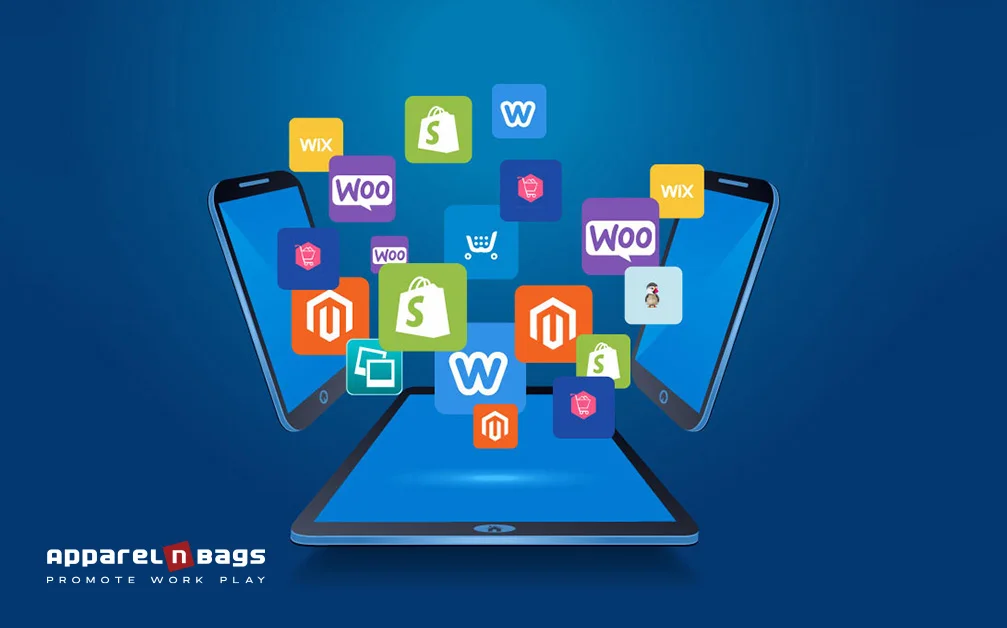
Choosing the best eCommerce platforms can be a daunting task due to the multitude of options available. Each comes with its own strengths, weaknesses, and suitability for different business requirements.
The complexity arises from the diverse range of factors that businesses must consider when selecting the top eCommerce platforms. Some of the important factors include budget constraints, customization requirements, scalability considerations, and industry-specific features.
Businesses must also navigate through various pricing structures, subscription models, and add-on fees to determine the most cost-effective eCommerce platforms for their business.
Below mentioned is the eCommerce platforms list that you must go through in order to choose the best one for your business.
1. Shopify
Shopify tops the eCommerce platform list as the most popular and user-friendly cloud-based ecommerce platform. For those testing new business ideas, Shopify offers a risk-free trial period. With over 100 themes to choose from and minimal learning curve, creating an online store on this platform is hassle-free. Additionally, targeting the first sale is made easier with three months of Shopify available for just $1 per month.
Shopify emerges as the leading eCommerce platform, offering self-hosted software that enables merchants to reach customers across various channels effortlessly. With a suite of features covering every aspect of retail, from website design to efficient shipping, Shopify provides a smooth selling experience.
Merchants benefit from a centralized back office, providing a comprehensive overview of all activities. Whether focusing on optimizing their online store, expanding through social media sales, or exploring drop shipping models, Shopify offers versatility to meet diverse business demands.
As your business grow, Shopify scales alongside, maximizing selling potential. With the highest-converting checkout system and Shopify POS simplifying in-person transactions while syncing smoothly with the dashboard, merchants can provide premium service across all channels. It also offers customizable templates, secure payment processing, inventory management, marketing tools, and 24/7 customer support.
Pros:
- Streamlines inventory management and product delivery
- The Shopify mobile app facilitates convenient order fulfillment on the move
- Its AI assistant enhances productivity by generating product descriptions and engaging with customers
- Global sales tools enable smooth handling of international transactions, taxes, and shipping logistics
- Extensive selection of third-party apps from the Shopify App Store allows for easy store expansion
Cons:
- Limited customization options for storefront design compared to some competitors.
- Transaction fees may be incurred for using external payment gateways instead of Shopify Payments.
2. eCommerceMD
eCommerceMD stands out as the best eCommerce platforms that helps online businesses to grow. eCommerceMD functions as a comprehensive toolkit for brands, creators, and businesses seeking to establish and expand their online presence. Offering a one-window solution for both B2B and B2C customers, eCommerceMD offers a suite of features designed to foster eCommerce organic growth.
Beyond providing access to advanced eCommerce tools, eCommerceMD partners with businesses to unlock their full growth potential. With millions of businesses worldwide leveraging its development ecosystem, eCommerceMD facilitates smooth global expansion by enabling businesses to launch in multiple languages and serve customers across borders effortlessly. Its robust and advanced platform empowers users to create visually stunning storefronts and optimize product pages to maximize conversion rates and revenue. From on-page SEO optimization to local SEO support and URL management, every aspect of driving organic traffic and visibility is addressed and managed through this platform.
Pros of eCommerceMD:
- Comprehensive solution for B2B and B2C customers
- Focus on organic growth strategies
- Facilitates global expansion
- Advanced platform features
- Long-term success partnership
Cons of eCommerceMD:
- Limited market presence
- Customization limitations
3. Wix
Wix is a versatile website builder that also offers greater eCommerce functionality, making it suitable for businesses and individuals looking to create an online store quickly and easily.
Wix offers a user-friendly drag-and-drop website builder complete with customizable templates, web hosting, and domain name registration. While you can create a basic website at no cost, upgrading to a paid plan is necessary to access eCommerce functionalities. For online merchants, Wix also facilitates accepting payments, order tracking, and order management across multiple channels.
However, Wix may lack essential features required by many product-based businesses. Notably, built-in low-stock alerts and other key inventory management features are absent. To access these features, as well as the ability to sell through social media, users must utilize third-party apps. Explore how Wix stacks up against Shopify for more insights.
Pros:
- Fully hosted platform
- Free basic plan for clients
- User-friendly interface
- A large app marketplace with more than 300 applications
- Innovative templates that create a professional look
- All websites are hosted on their own servers, allowing for increased security and speed
Cons:
- Sites aren’t transferable
- Tracking and analytics will require a paid plan
- Lack of inventory management features
- Limited features for wholesale sellers
- Minimal SEO features
4. BigCommerce
BigCommerce is a robust and scalable eCommerce platform that caters to businesses of all sizes, from small startups to large enterprises. It offers customizable templates, advanced features for product management, secure payment processing, and omnichannel selling capabilities.
BigCommerce is known for its flexibility and scalability, allowing businesses to grow and expand their online presence with ease. Additionally, it offers comprehensive support and resources to help users optimize their eCommerce stores.
Pros:
- Fully hosted
- Drag-and-drop page builder
- Management tools for big businesses
- Built-in mobile responsiveness and customizable themes
- Optimized one-page checkout and on-click checkout integrations
- 99% annual uptime and 100% cyber week uptime
- Advanced functionality, such as B2B Edition, BOPIS, and Multi-Storefront
Cons:
- No native POS
- Expensive themes
- Too difficult to navigate
- Small selection of themes
- Design tools lack user-friendliness
5. Adobe Commerce (Magento)
Formerly known as Magento Commerce, Adobe Commerce is a powerful eCommerce platform for developers, providing extensive flexibility for brands seeking a customized website setup. Adobe Commerce also provides a comprehensive suite of tools for managing products, orders, and customer relationships, along with built-in marketing and analytics features to drive sales and growth.
However, users may find it necessary to have an in-house developer to effectively maintain their site and unlock the platform’s full potential. While Adobe Commerce offers flexibility, it lacks built-in tools for smoothly implementing a multichannel strategy. Activation of social commerce or marketplace selling, as well as handling international transactions, requires additional effort and integration.
Pros:
- Supports custom store designs
- Access to a robust partner network
- Integrations with other Adobe products, such as Adobe Experience Manager and Adobe Stock
- Full customization options
- Multi-store functionality for businesses
- Advanced B2B functionality for greater reach to the potential target audience
Cons:
- Hosting not included
- Expensive set up cost
- Limited technical support
- Requires technical expertise
- Customers will have to install security patches
- Requires a IT and Development teams to build and maintain the website
6. WooCommerce
WooCommerce is a popular eCommerce plugin for WordPress, providing businesses with the flexibility to create eCommerce retail stores. It offers a range of features including product and catalog management, secure payment processing and gateways, and advanced shipping options.
WooCommerce is known for its ease of use, innovative customization options, and fast integration with WordPress websites. While it may require some technical expertise to set up and maintain, WooCommerce provides a cost-effective solution for businesses looking to leverage the power of WordPress for eCommerce.
Pros:
- Above 6,000 integrations
- Active expert community
- Free to use and download
- Fully built-out integration for businesses
- Offers access to growing application and extensions store
- Fully customizable as per your business requirements
Cons:
- Self-hosted
- For WordPress websites only
- Limited payment options included
- Requires a developer to build and maintain
- Requires you to manage multiple costs and plug-ins
- Users will be responsible for their own PCI compliance
- Built website with WordPress to incorporate the WooCommerce plugin
7. Squarespace
Squarespace is a website builder that also offers innovative eCommerce capabilities, providing users with comprehensive features to create and manage their stores. It offers sleek templates, customizable designs, and a range of features for product management, payment processing, and marketing.
Squarespace is known for its intuitive interface and visually appealing designs, making it suitable for businesses and individuals looking to create professional-looking websites and online stores with minimal technical expertise.
Pros:
- No transaction fees
- Professionally designed templates
- Customizable templates
- Zero transaction fees
- Mobile optimized website and checkout
- User-friendly interface
Cons:
- Limited multichannel sales support
- Not an eCommerce-centered platform
- Hard to override CSS and HTML theme
8. Big Cartel
Big Cartel is a straightforward and affordable ecommerce platform designed for artists, makers, and independent creators to sell their products online. It offers customizable storefronts, basic eCommerce features such as product management and payment processing, and integration with social media platforms.
Big Cartel is known for its simplicity and ease of use, making it an ideal choice for small businesses and individuals with a limited product catalog and budget.
Pros:
- Free to set up and start selling
- Accommodates different types of sellers with various pricing options
- No listing fees—just a subscription-based method
- The platform during checkout, automates calculating and collecting sales taxes on US orders. This will enable you to prepare tax reports faster
Cons:
- Limited customization features
- Lacks advanced eCommerce features
- Charge extra costs for larger inventory
9. Square Online
Square Online, formerly known as Weebly, offers an advanced eCommerce platform to small businesses. With smooth integration with Square’s payment processing solutions, users can effortlessly bridge their online and in-store sales. Getting started with Square Online is as easy as can be – you can create your online store for free.
However, to unlock additional features such as using your own domain name or removing in-app ads, upgrading to the paid eCommerce plan is necessary. This upgrade opens the door to a more customizable and professional online presence, empowering businesses to establish a unique brand identity and enhance their customer experience. With user-friendly features and transparent pricing, Square Online is suitable for small businesses and entrepreneurs looking to start selling online quickly and efficiently.
Pros:
- Advanced free version
- Mobile-first store designs
Cons:
- Limited eCommerce features
- Primarily for Square Payments users
10. Shift4Shop
Shift4Shop, formerly known as 3dcart, provides a comprehensive eCommerce solution designed for selling a wide range of products online. This Software as a Service (SaaS) platform motivates users to take full control over every aspect of their online store effortlessly. While Shift4Shop may not overwhelm with an abundance of features, its simplicity and ease of setup make it an attractive choice, particularly for mobile users.
Moreover, the platform offers seamless integration with other applications through its API, allowing for enhanced functionality and customization. For businesses processing at least $500 monthly through Shift4Shop’s own payment system, there’s no additional charge to utilize the eCommerce platform.
However, if monthly earnings fall below this threshold or if you prefer to use PayPal for payment processing, pricing plans start at $29 per month. This flexibility caters to businesses of varying sizes and needs, assuring affordability and scalability as they grow.
Pros:
- Robust shopping cart solution with extensive features
- Free eCommerce builder for current Shift4Shop checkout users
Cons:
- Personalizing your store may be more challenging compared to Shopify
- Limited advanced features available
11. Volusion
Volusion offers a user-friendly web-based storefront solution ideal for small businesses and solo entrepreneurs. Its straightforward setup process makes it accessible to anyone looking to establish an online presence.
Having been in the market since 1999, Volusion is among the pioneering eCommerce platforms, catering primarily to small businesses without excessive bells and whistles. Users can easily create homepage and product pages, and the platform seamlessly integrates with over 30 payment gateways.
It’s important to note that Volusion does not offer a free plan and does not support the sale of digital products. If you intend to sell items such as ebooks or music, you’ll need to explore alternative eCommerce solutions.
Pros:
- Round-the-clock customer support available
- Intuitive website builder for easy navigation
Cons:
- Limited features on the basic plan
- Absence of complimentary SSL security
- Lack of support for digital product listings
- Sales volume and product listing restrictions apply to plans
12. OpenCart
OpenCart stands out as a free and open-source ecommerce platform, renowned for its ease of setup. It empowers users to establish and manage multiple stores efficiently, offering a comprehensive dashboard displaying vital metrics such as sales performance and customer retention.
With a vast library comprising over 13,000 modules and complimentary themes, OpenCart facilitates extensive customization to create unique websites. Moreover, it boasts smooth integrations with various tools, enhancing functionality and flexibility. As a self-hosted platform, OpenCart eliminates the need for monthly fees.
Pros:
- Free and open-source nature
- It doesn’t entail additional fees, making it budget-friendly for businesses
- User-friendly – even those without technical expertise can create new themes using plugins
Cons:
- Self-hosted nature
- Limited marketing and sales functionalities
How to Choose the Right eCommerce Platform?
Having an eCommerce website is not that easy. Building an eCommerce business requires website development expertise and strategic planning, just like opening a physical store. You may be drawn to some eCommerce platforms that provide low-cost plans, but you should consider more than just the price.
Before you commit and select an eCommerce platform, consider the following factors and conduct some research:
Consider the Cost of Implementation for eCommerce Website
One of the essential things is considering the cost when selecting the eCommerce platform. You should know the cost of hosting an eCommerce store. As a result, it will help you budget and estimate your ROI. Some website development platforms provide plans that include web design features, security, functionality and maintenance, and periodic hosting.
The initial development costs aren’t the only ones to consider. You would also need money to run and maintain the sites. In addition to this, security and other feature upgrades are also costly affairs. You will financially harm your company and website if you do not conduct proper research.
See the Number of Features Provided by the eCommerce Platform
Does the annual fee include the basic features required to launch a website, such as domain name and hosting? Some platforms may offer low-cost plans but require additional payments for features such as extensions. Not all features will apply to your online store. So, it is better to list the essential eCommerce features that your firm requires. It will increase your chances of selecting a platform that is appropriate for you. Include offsite extensions such as payment gateways and analytics tools in your list.
An eCommerce Website Should Provide Good Customer Service Features
If you want to have a successful eCommerce website, you must consider customer service features. Any business must always prioritize user experience. You would require more than just smooth page navigation and eye-catching web designs in order to improve your customer relationship.
Customer support is one method of providing interactive customer service. A sound customer support system can quickly resolve issues via the channels of their choice. The eCommerce platform should foresee all technical issues and provide the best solutions.
Technological advancements in digital marketing, such as artificial intelligence (AI), provide more resources. In turn, it results in better customer service interactions. Some platforms provide AI-powered support systems that automatically solve common problems.
Look for Various Payment Options for eCommerce Websites
How do most of your customers pay? Do they pay with a credit or debit card linked to their bank account, or do they use redirects and offsite payments? Do international customers have a payment option as well?
You should look for an eCommerce platform that accepts a variety of payment methods. If you want to reach a wider global audience, your company should provide payment processing services that support multiple currencies and payment methods. Any payment gateway on which you decide to work should be convenient, secure, and always have more options. More payment options lead to more transactions because they reduce customer friction at checkout.
Seek Security Features for eCommerce Website
Security is one way to demonstrate that you are a reliable brand. A strong eCommerce website security system can identify and mitigate most security threats. In case of a cyber-breach, your company will have to face negative consequences. Also, customers will be less likely to shop at stores that have compromised their financial and personal information.
With that in mind, here are some key security features to look for when you select a secure eCommerce platform:
- Privacy: The shoppers’ private information must not be disclosed to unauthorized parties. Their financial and personal information should be accessible only to your company.
- Authentication: Passwords, two-step verification, or one-time pin (OTP) verification must be used in transactions to authenticate each customer’s identity.
- Terms and Conditions Agreement: It means that you and your customers are transacting on purpose and consciously. Plus, you and your customers are both accountable for every action or commitment made during the transaction process.
Check if the platform has the security features listed above, along with payment card industry (PCI) compliance and data backups.
SEO Considerations
If you implement an SEO strategy, it will boost organic traffic to your eCommerce website. Your website should have a higher ranking in Google search results so that when someone searches for information about a product or service on search engines, your eCommerce appears first. As a result, your chances of converting them into customers will increase.
Considerations for SEO include the domain name, meta descriptions, image alt tags, navigation links, page titles, headings, IP addresses, and so on. It also includes indexability and crawlability for your website. These are all necessary for you to rank your website on search engines.
Mobile-Friendliness
The number of shoppers who use mobile devices is growing. Therefore, ask your website development expert to incorporate your website into mobile technology. It will enable more straightforward and seamless transactions. And reduce the possibility of abandonment.
When you select an eCommerce platform, keep in mind that you’re looking for more than just swiping and navigation. Inquire about mobile-friendly features such as card designs, touch ID, click-to-call, and click-to-map buttons.