
Digital marketing generates 50% more interactions with customers compared to traditional marketing. The aforementioned stats shows that businesses need to prioritize digital marketing to grow and succeed in this era. To grow your business digitally, you first need to understand the basic digital marketing terms. This will help you in developing effective strategies to reach and engage customers on digital platforms.
Therefore, to keep you up to date, we have compiled a comprehensive glossary of basic digital marketing terms. These terms will help every marketer to stay updated and competitive, and will help them develop effective marketing strategies.
List of 50 Digital Marketing Terms
Here is a list of 50 digital marketing terms that can help marketers develop the most effective marketing strategies:
1. Search Engine Optimization (SEO)
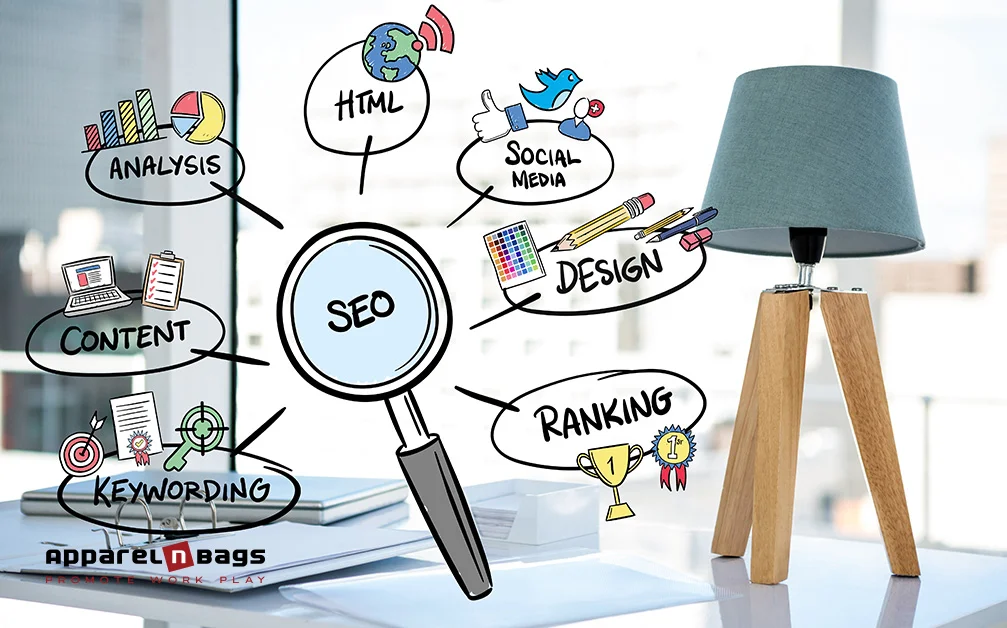
Search Engine Optimization is one of the most important digital marketing terms to know. SEO is a marketing strategy to
improve search engine rankings and increase brand awareness. It uses specific keywords that help websites rank higher in Search Engine Results Pages (SERPs).
SEO is further divided into two parts: On-page SEO and off-page SEO. On-page SEO are the techniques implemented to help web pages to rank higher in the search engines, while off-page SEO includes activities done outside of a website. Common off-page SEO activities include building backlinks, promoting branded searches, and increasing engagement on social media platforms.
2. Search Engine Marketing (SEM)
Search Engine Marketing is known as promoting a website to increase its visibility on Search Engine Results Pages (SERPs). Businesses can increase website traffic and enhance their online presence by utilizing strategies like Pay-Per-Click (PPC) advertising, keyword analysis, and content optimization.
3. Pay-Per-Click Marketing (PPC)
Pay per Click is known as the paid advertising on Google or Facebook. It is a popular form of digital advertising that businesses
use to drive traffic to their website. Marketers pay a fee every time someone clicks on one of their ads. However, they are only charged a percentage of their investment when the ad is clicked.
To understand it better, consider the example of Google Adwords. It is the Google’s PPC advertising platform where marketers bid on keywords. When a bid is accepted, the marketer’s ad will appear on websites across Google’s network or in the paid search results. When the ad is clicked, the marketer will be charged for the click. This amount is equal to or less than the keyword bid amount.
4. Content Marketing
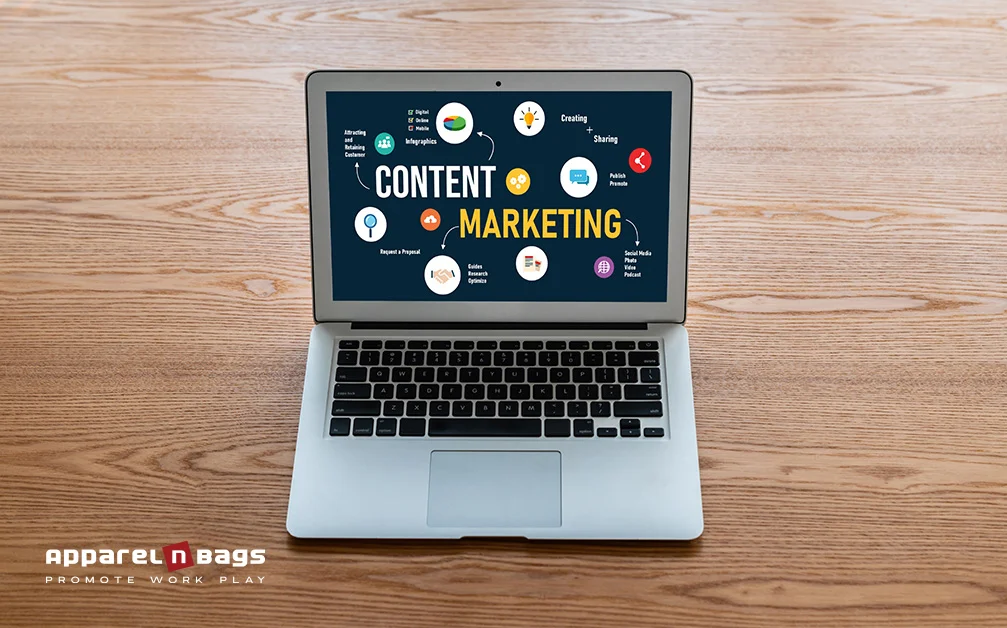
Content Marketing has grown as an effective marketing strategy for small to mid-size businesses and large organizations alike. It is known as creating and distributing content for digital marketing campaigns. This includes blog posts, videos, e-books, social media posts, etc.
By consistently providing valuable content, businesses can gain the trust of their audience, and increase their sales and conversions.

6. Social Media Marketing (SMM)
Social Media Marketing (SMM) is the promotion of products or services on digital platforms like Facebook, Instagram, LinkedIn, Pinterest, etc. It can be both paid as well as organic marketing.
In this strategy, the visitor is directed to the website from a social media platform. When an ad or link is clicked from a social media site, the user is directed to the website that results in increased brand visibility, website traffic, and sales growth.
7. Email Marketing
Email Marketing is the process of using email to convert prospects and customers to sales. It involves sending targeted promotional messages by marketers to a specific list of email subscribers. These messages could be newsletters, special offers, or other relevant content regarding their brand, goods, and services to market.


9. Conversion Rate Optimization (CRO)
In basic digital marketing vocabulary, conversion rate is the percentage of visitors who take a desired action on the website. Conversion Rate Optimization is the process of converting visitors into potential customers.
CRO cause visitors to take an action, such as making or initiating a purchase. Moreover, it also helps to boost ROI and maximize the impact of digital marketing campaigns. The higher the conversion rate of the page is, the more profitable it will be.

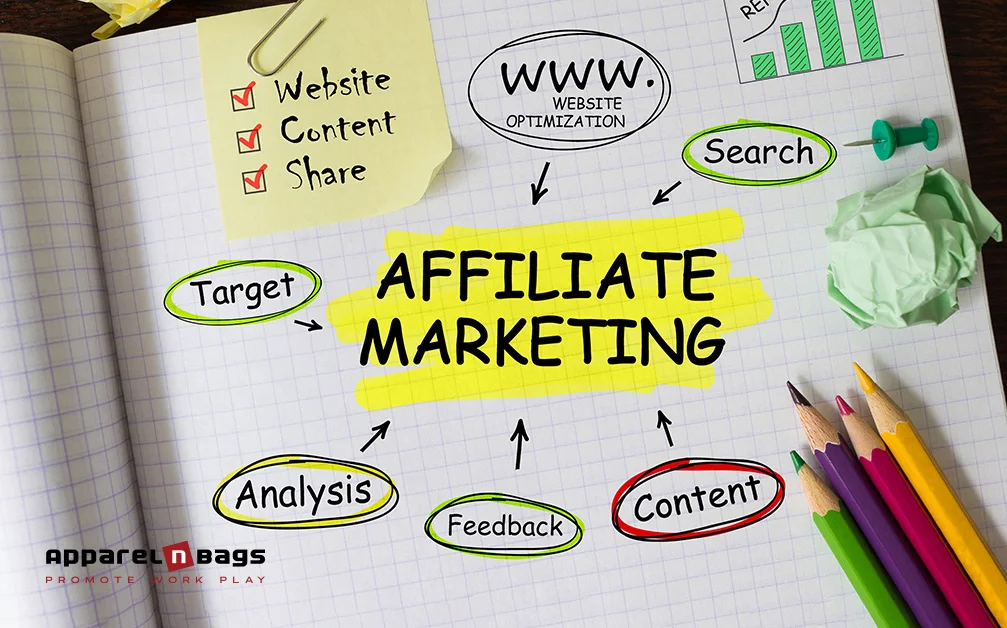
Affiliate Marketing is one of the most basic digital marketing terms. It is a beneficial marketing strategy for both businesses and affiliates. With affiliate marketing, businesses can increase their reach and sales, while affiliates can earn commissions by bringing new customers or visitors through promoting the products.
11 .Call-to-Action (CTA)
Call to action is a very commonly used digital marketing term. CTA is a design that marketers use to prompt the audience to take a specific action. This may include purchasing of their products or services, subscribing to a newsletter, or downloading an e-book.


12. Key Performance Indicators (KPIs)
Key Performance Indicators are measurable metrics used to compare a company’s performance against a set of targets. Marketers use Key Performance Indicators to evaluate the performance of a digital marketing campaign, and also use them to plan future marketing strategies. These metrics include website traffic, conversion rates, social media engagement, emails open, and click-through rates.
13. Landing Page
Landing pages are the standalone pages that users land on after clicking on a CTA in an advertisement or an email. The primary goal of a landing page is to increase website traffic, and generate leads by converting prospects into customers.

14. A/B Testing
A/B testing is an uncomplicated way to compare two versions of a webpage, email, or advertisement to determine the better-
performing variant. The updated copy, also known as the variant, is compared with the current text, known as the control. Comparing copies is the best way to determine which text is more effective.
A/B testing is also known as split testing or bucket testing. The testing is a randomized experiment that compares two variables: the control and the variation. This method involves presenting these variations to different segments of users randomly to evaluate which performs better. Results are then determined by performing statistical analysis to see which text performs better.
15. Click-Through-Rate (CTR)
Click-Through-Rate in digital marketing is known as the number of consumers that click on an ad after seeing it. This metric is commonly used by marketers to measure the effectiveness of ads or web pages. An ad that is high in views but low in clicks indicates that it lacks customer appeal.
To improve CTR and drive more website traffic, marketers need to optimize targeted keywords, create compelling ad copy, and test ad designs.

16. Target Audience
Target audience is one of the most basic digital marketing terms. It is the group of people with shared characteristics that fit a marketer’s buyer personas.
Marketing managers use digital platforms to connect with their target audience. Digital marketing companies conduct market research to learn about the customers’ demands and preferences. This data helps a lot in determining the company’s target market.
17. Return on Investment (ROI)
Return on Investment is the metric used to evaluate the profitability of an investment. It is the return generated compared to the investment in the marketing campaign. For a marketer to have a positive ROI, the marketer needs to generate more revenue from the campaign compared to the money invested.


18. Customer Relationship Management (CRM)
Customer Relationship Management is a strategy used by businesses to manage their interactions with customers and potential customers. It helps businesses to drive revenue and growth and record customer interactions across all online platforms in one system.
19. Search Engine Results Pages (SERPs)
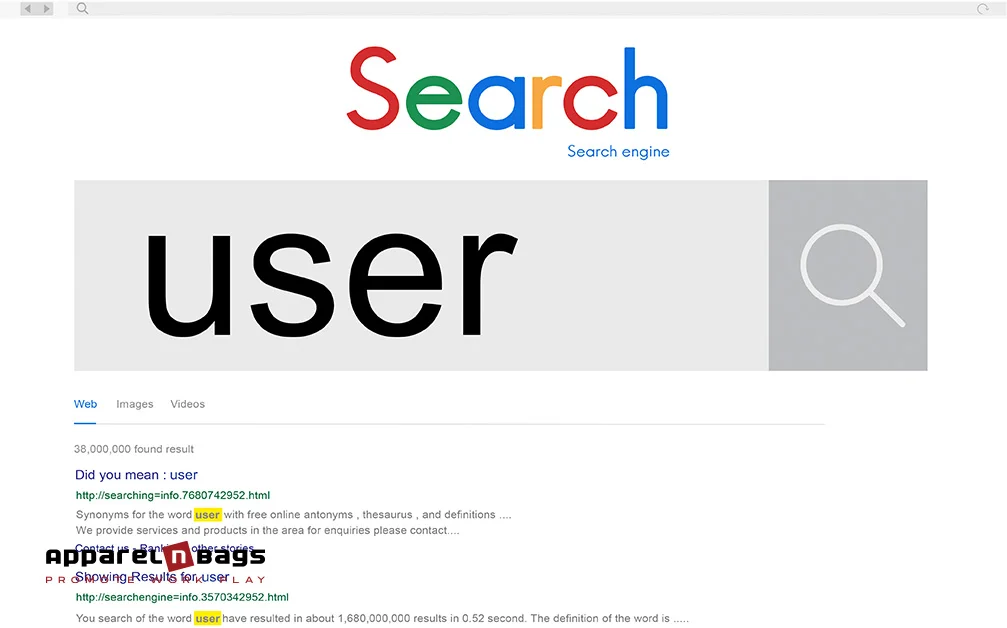
Search Engine Result Pages (SERPs) is a common term in digital marketing glossary. These are the pages that search engines show after receiving a user’s query, listing relevant websites and other content.
Search engine results pages includes organic search results, sponsored search and pay-per-click (PPC) ads.
20. Bounce Rate

Bounce rate is another common term in digital marketing vocabulary. It is the percentage of users that leave a website after viewing only one page and do not return or engage further.
Bounce rate is calculated by the time a visitor spends on the website. This can also be found by using the Google Analytics Report. It provides marketers with insight about how effective their website is. A high bounce rate alerts marketers to issues such as poor loading times and low visitor engagement.
21. LSI Keywords
LSI keywords, or latent semantic indexing keywords, are words or phrases that are related to target keyword and have the same intent. LSI keywords are used by search engines to classify a webpage’s topic and to better understand its content. This helps search engines provide more relevant results.
22. Long tail keywords
Long tail keywords are known as keyword phrases that are longer, and more specific in matching a user search query. These keywords are less competitive but have higher conversion potential as they also target niche audiences. For marketers, long tail keywords are more helpful because there is typically less competition for those phrases.
23. Meta description
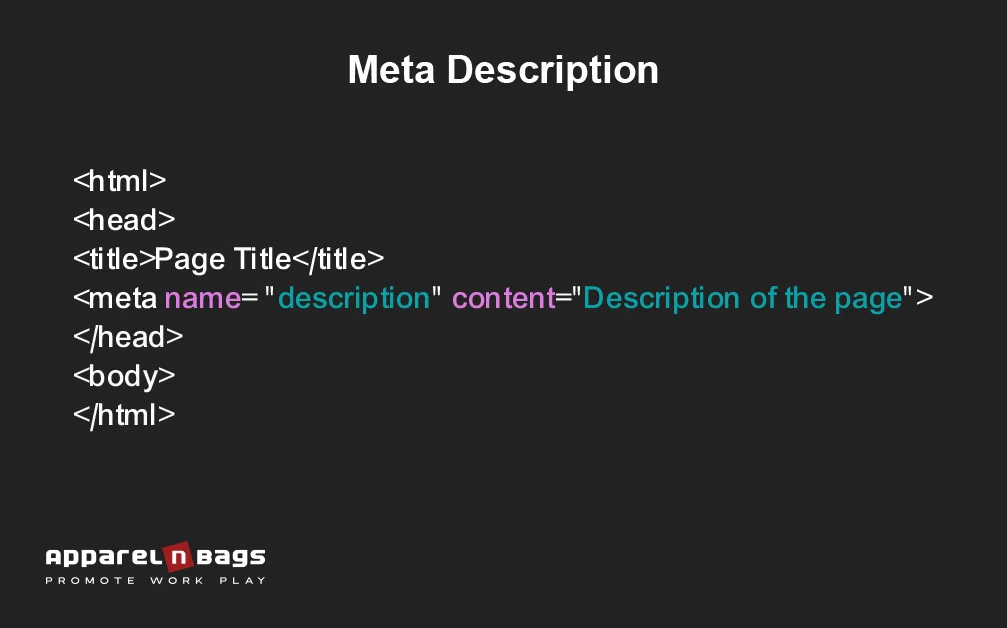
Meta descriptions are a Meta tag that provides a page description within or less than 160 characters. It is an important component of a webpage as it is what shows up in Google and other search engine results.
24. Meta Tags
The term “meta tags” describes HTML snippets that are added to a webpage’s code to help search engines and web crawlers better understand the content of the page. Search engines use metadata to determine which content from a webpage is relevant enough to show in search results. The most commonly used Meta tags are title tag, Meta description, and Meta keywords tag.
25. Meta Keywords
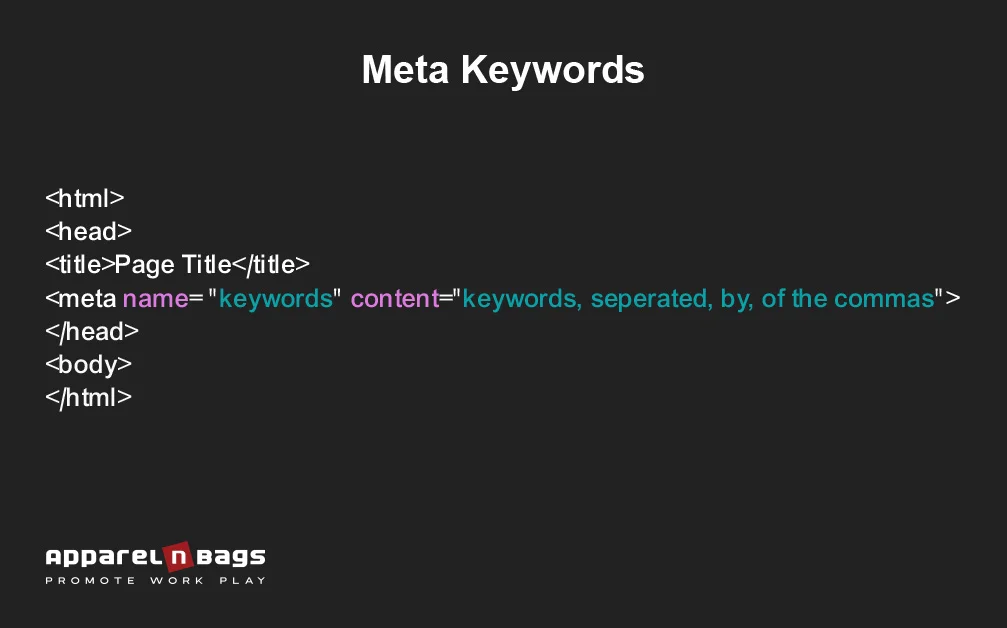
Meta keywords are a particular kind of Meta tag that show up in the HTML code of a webpage. Meta keywords are found in a page’s source code and not on the visible page. The purpose of the Meta keywords is to help search engines in understanding the topic of the webpage.

26. Lead Generation
A lead is a prospective customer in the sales funnel. The consumer is considered a lead because he or she has expressed interest in the company or brand. Lead generation is the process of drawing in and turning prospects into leads by providing valuable content or incentives in exchange for contact details like a call, online form fill, or email.
27. Keywords Stuffing
In digital marketing lingo, keyword stuffing is the excessive use of keywords on a page. Stuffing keywords into content is seen as a search engine manipulation technique. However, this is a bad marketing strategy that can result in penalties from Google or an algorithmic devaluation in search results.
28. Mobile First Index
The term “mobile first index” describes how Google ranks and indexes content, specifically for mobile devices. This is because in today’s world, majority of web users access Google via their mobile devices. With mobile first indexing, Google indexes and ranks websites primarily based on their mobile versions of the content.
29. User Interface (UI)
User Interface (UI) is the method by which a user and digital device interacts. This includes input devices and software usage, as well as a user’s behavior while navigating the site.
UI is the visual elements and design components of a website, application, or digital product. A well-designed, user-friendly UI improves user satisfaction and usability, resulting in a smooth user experience.


30. User Experience (UX)
User Experience is considered as the overall experience of a user when interacting or navigating a website. This includes he webpages a visitor views while on a website, the way a visitor navigates a page, the sections of a page that a visitor “hovers” over, etc.
Understanding user experience (UX) on websites helps marketers in increasing conversion rates. For the purpose of business, marketers must have a strong user experience (UX) because it encourages engagement and recurring users.
31. Hashtags
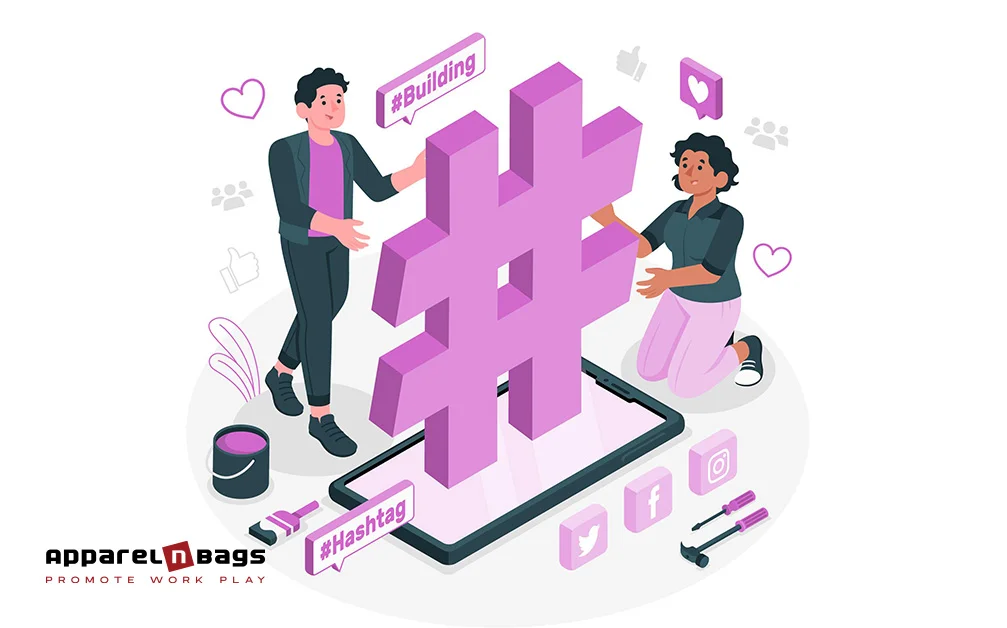
Hashtag is the symbol “#” used in social media to categorize and find content easily. It enables marketers to expand their audience through social media platforms, make their content more discoverable, and participate in conversations related to their brand or industry.
32. Sales Funnel
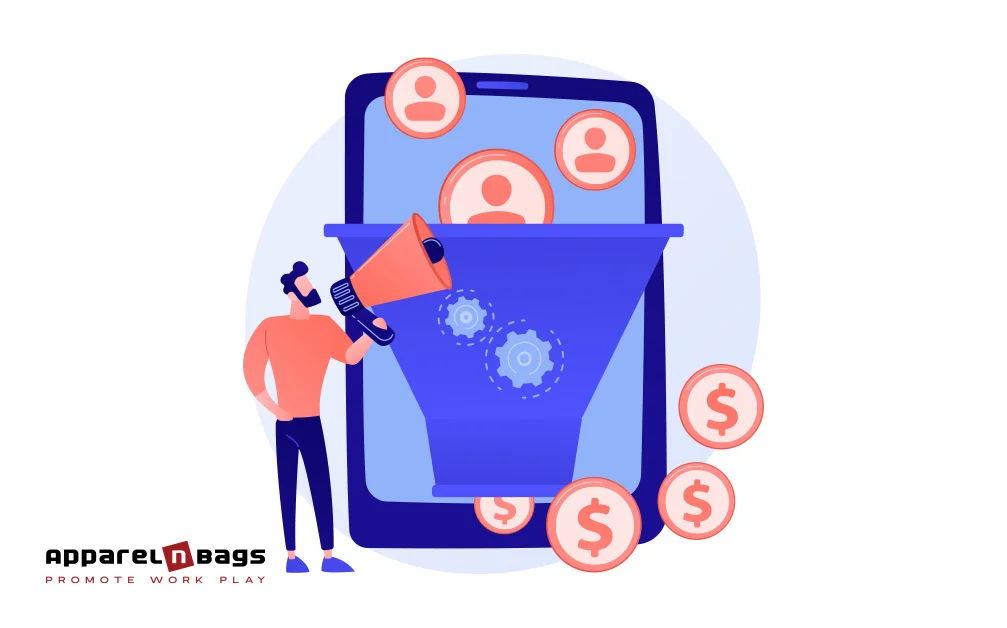
The sales funnel in digital marketing glossary depicts the buying process from a lead to a customer.
Top of the Funnel
The first stage of the purchasing process is where customers are searching for information regarding a particular product or service. Therefore, at this stage, it is necessary to build trust with high-quality content to motivate visitors move on to the next stage.
Marketers at this stage use various digital platforms to publish content. This includes social media, online ads, SEO, video marketing, blogs and websites, and influencer outreach. The goal is to promote brand awareness and generate sales.
Middle of the Funnel
The middle of the funnel is the stage where customers have recognized their need and problem but are still conducting research. In this stage, leads are moved from marketing to sales for more engagement.
Bottom of the Funnel
It is the stage where a buyer is ready to make a purchase and has narrowed down their options from multiple vendors. At this stage, it is important to adapt a consultative strategy and build trust. This strategy will help a customer to come to a decision and finalize the transaction.
33. Prospects
In online marketing terms, “prospects” are potential customers who have shown interest in a product or service but have not yet made a purchase. These individuals are at various stages of the buying journey and are considered potential leads that businesses aim to convert into paying customers.


34. Influencer Marketing
Influencer marketing is the process of working with well-known individuals on social media or engaging industry experts. The goal is to market products and services to their followers to increase the reach of your brand.
35. Account-Based Marketing (ABM)
Account-Based Marketing (ABM) is a strategic approach in business-to-business (B2B) marketing that focuses on targeting specific high-value accounts or companies. It involves adjusting marketing campaigns and messages to the individual demands and characteristics of selected accounts, which are typically companies with the highest potential for revenue generation.


36. Chatbot
A chatbot is an artificial intelligence (AI) program that simulates user conversations via chat interface. Other names for the chatbot include talkbot, chatterbot, chatbot, and Artificial Conversational Entity.
Chatbots are used for automated interactions, lead generation, and customer support. It converse with people through various channels, like chat windows on websites. The primary purpose of a chatbot is to give customers instant customer support or information acquisition.
37. Organic Reach
The number of people who view a social media post or other content without any kind of sponsored promotion or advertising is known as the organic reach. Organic reach is necessary for interacting with the target audience, and developing brand awareness. Additionally, it also increases the impact of content without the need for paid advertising.
To increase organic reach and rank websites for search engine results, Google and other search engines take into account a number of variables. Organic SEO is one of the ranking elements. Content marketing, blogging, press releases, reviews, social media, and backlinks are all included in organic SEO.
38. Impressions
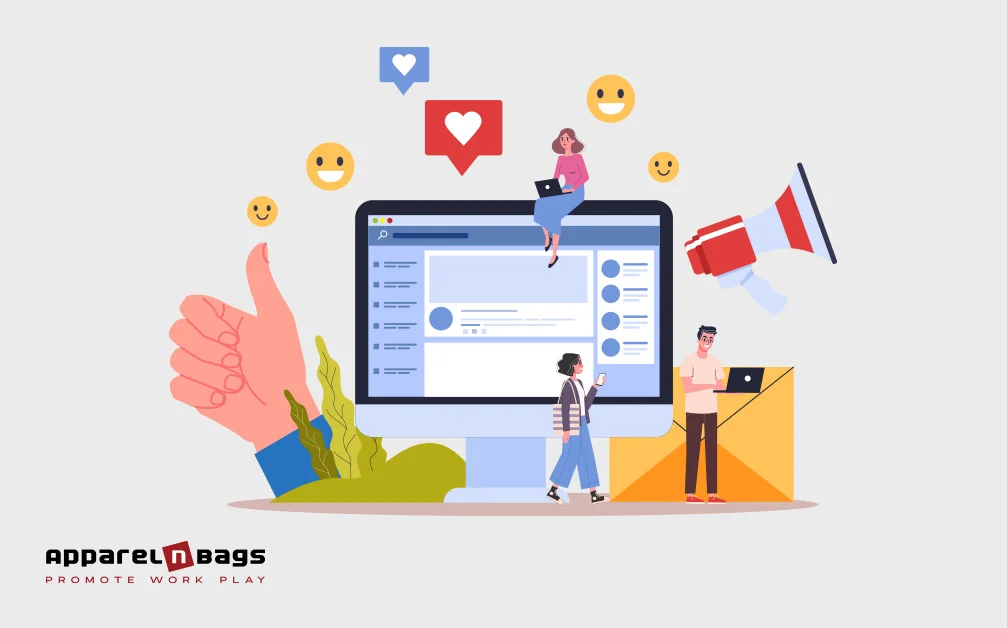
In digital marketing terms, impressions are the number of times an advertisement or content is shown, whether it is clicked or not.
Impressions are of two forms: served impressions and viewable impressions. Served impression are the number of times an ad is sent to a publisher by the ad server, while viewable impressions are the actual number of times your target audience sees the ad. However, viewable impressions can give more accurate results on ad effectiveness compared to served impressions.
39. Retargeting
Retargeting involves showing advertisements to people who have already visited a website or have shown interest in a product or service. The purpose of retargeting is to re-engage with potential customers or leads who may have left the website without converting or meeting a marketing goal.

40. CPM (Cost-per-Mille)
Cost-per-Mile (CPM) is a very common pricing strategy used in digital advertising. It represents the cost of 1,000 ad impressions or views, paid by the advertiser to the publisher. It has a significant impact on advertising earnings of publishers and is a key factor in determining their revenue potential.
41. Google Search Console
Google Search Console is a free tool from Google that is available to webmasters. It includes various sections that is used by marketers to analyze data and assess the performance of their website. Google Search Console provides website’s visibility on search pages and indexability by Google crawler bots. Metrics that the console measures are CTR, number of indexed site pages, dead links, and more.

42. Domain Authority
Domain authority is a search engine ranking score that predicts the ability of website to rank in search engine result pages.
Domain authority is based on backlinks, domain age, and content quality. Its scores range from one to 100, with higher scores indicating to greater chances of ranking.
43. Anchor text
Anchor text is a digital marketing terminology known as the clickable words in a hyperlink. In SEO techniques, anchor text is used to provide Google with a ranking signal. The hyperlink gives context by directing the viewer to another online document or website. Through hyperlink metadata, search engines and users can get details about the link’s destination.

44. Alt Text
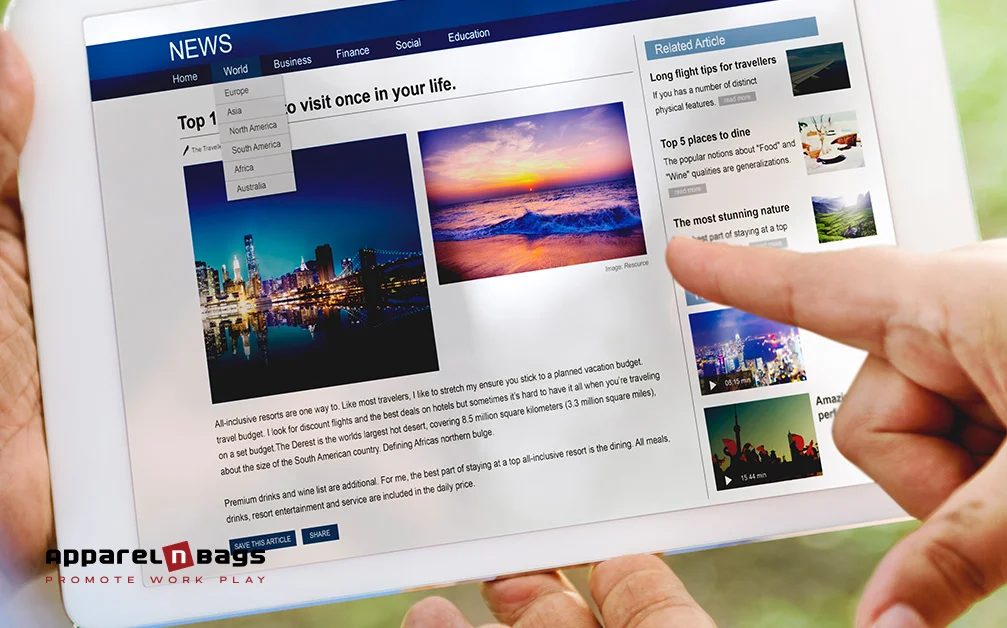
The term “alt text” in HTML (Hypertext Markup Language) is a word that offers a textual alternative for visual data. This description helps people who can’t see the images understand what they are about. When you add alt text to an image in HTML, visitors with vision impairments can use screen readers to hear the description and understand the content of the pictures.
45. Churn rate
Churn Rate in digital marketing is known as the percentage of service subscribers who discontinue their subscriptions over a specific period of time. A high churn rate of the website indicates that marketer needs to improve customer retention efforts.

46. B2B Digital Marketing
Digital technology and techniques used to reach leads and convert clients are known as as B2B digital marketing. The acronym B2B stands for “business to business.” It enables marketers to focus on specific, quantifiable, and engaging audiences.
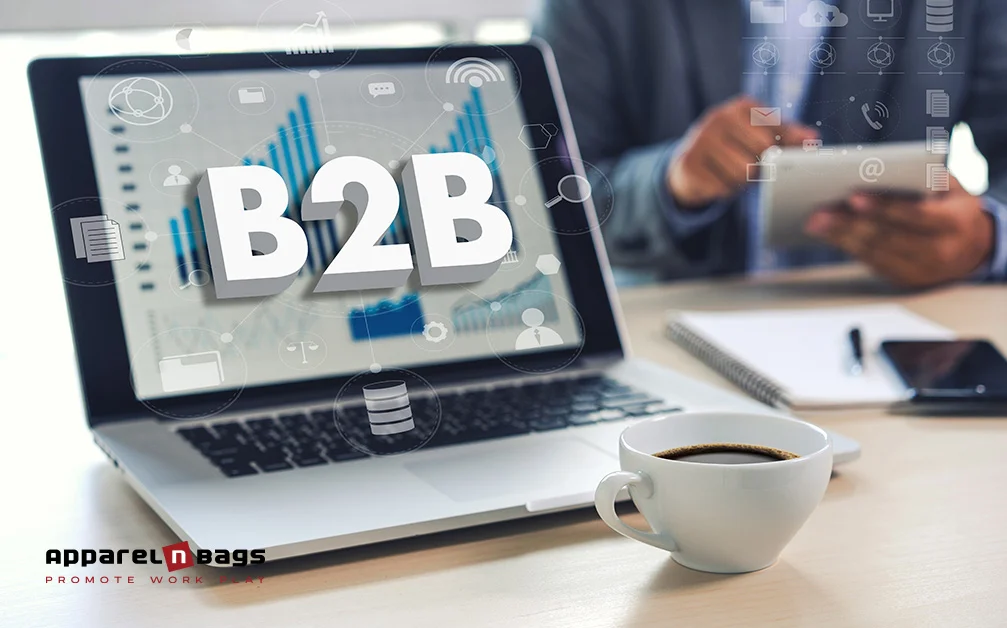
Various digital marketing techniques, such as social media marketing and digital content marketing, are used to promote products and services. This B2B marketing is thought to be successful in increasing consumer engagement, preference for the brand, and brand awareness.
Some methods of B2B digital marketing are search engine optimization, influencer marketing, content marketing, e-commerce marketing, data-driven marketing, campaign marketing, content automation, social media marketing, direct mail marketing, eBooks, display advertising, and optical disks and games.
47. B2C Digital Marketing
“Business to consumer” is known as “B2C” digital marketing. Businesses use B2C digital marketing to connect and engage with their customers.
B2C digital marketing includes strategies and practices used by marketers to market products and services directly to customers. This is mainly done through online advertising. Online advertising can be done in a variety of methods, including blogging, banner advertising, and content marketing.

48. Crawler
Crawler is one of those digital marketing terms that refers to an internet bot (automated piece of software) that scans websites. The crawler “crawls” through code. Crawlers are used by Google, a search engine, to find fresh content and assess the quality of webpages for ranking purposes.
50. Digital Marketing Funnel
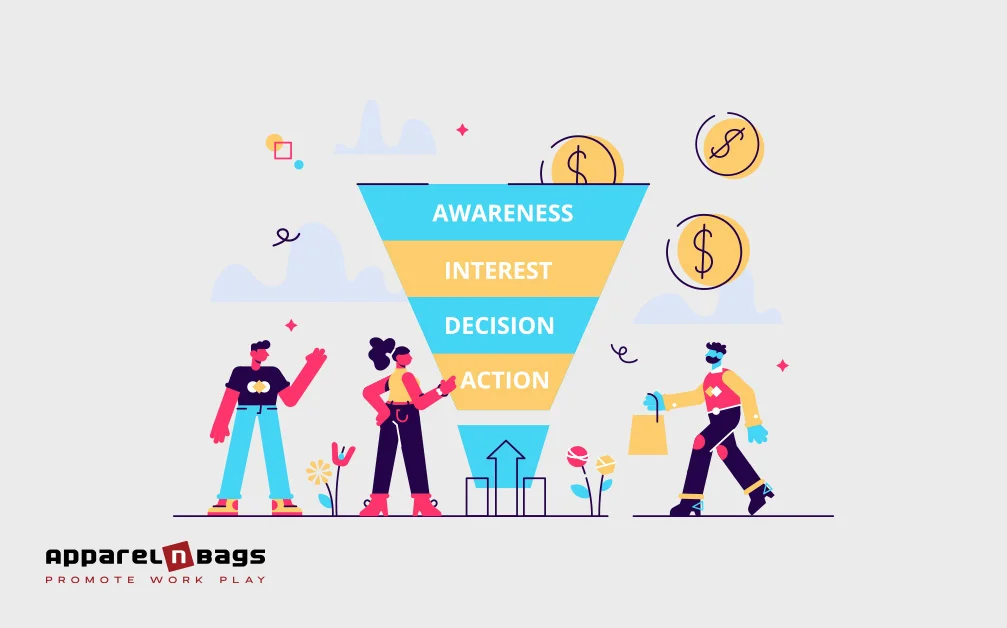
Digital marketing funnel is the five-step consumer buying process. The five phases includes
- Exposure of a brand, product, or service,
- Discovery
- Consideration
- Customer relationship-building
- Conversion
Exposure consists of PPC, banner ads, SEO, content marketing, and a following or community. Discovery is when customers find the brand, product or service. Consideration is when customers start thinking about making a purchase. Conversion is the purchase. Customer relationship management is the marketer’s follow up to improve brand loyalty and retention.
Successful marketing funnel completion generates repeat business and client loyalty.