

When it comes to protective workwear, the debate of coverall vs overall is a common one, with each option offering its own set of benefits. Choosing between coveralls or overalls can depend on various factors, including the type of work you’re doing, your personal comfort choices, and the specific requirements of your job.
In this blog, we’ll break down the key differences between coveralls and overalls, helping you make the right choice on which one is right for you.
What Is a Coverall?
The question “What are coveralls?” is one of the most frequently asked when people learn about the difference between a coverall and overall.
Coveralls are one-piece garments, used by various industries like construction, automotive repair, and manufacturing. They are designed to be breathable, comfortable, and durable, and are used to protect workers from potential injuries caused by fire, flame, heat and other environmental risks.
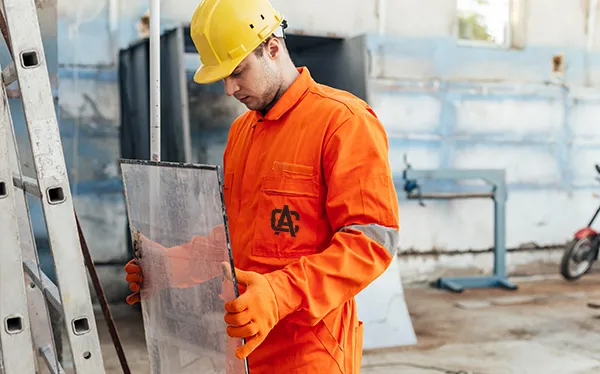
Coveralls, were historically worn by men maintaining coal-powered boilers. Therefore, they are also known as boilersuit. Nowadays, they are worn by workers ranging from engineers to fabricators, or factory workers to medical professionals and firefighters.
They are available in different materials, including cotton, polyester, and flame-resistant fabrics, offering features like anti-static treatment and flame-resistant properties. Some of them are also insulated, making them suitable for cold environments, while others are lightweight for warmer conditions. Plus, they also come in reflective colors making them a perfect safety gear for individuals working in hazardous environments.
Pros of Coveralls
The advantages of coveralls include as follows:
Superior Thermal Protection
Coveralls are the best thermal choice for those working in cold temperatures. They provide full-body coverage, and help retaining body heat while keeping you warm during cold temperatures. Some coveralls are specifically insulated for added warmth, making them ideal for those working in cold temperatures.
Excellent Wind Resistance
Coveralls is an ideal choice for individuals working outdoors as it offer little to no wind exposure. It provides full-body coverage, maintaining comfort during windy conditions.
Ample Storage Options
Coveralls include plenty of pockets for optimum storage for tools, equipment, and personal items. This convenience allows workers to keep essential items within easy reach, enhancing productivity and reducing the need for additional tool belts or bags.
Protection for the Clothing Underneath
One of the primary benefits of coveralls is their ability to protect the clothing worn underneath. Coveralls shield your clothes from damage and stains, whether you’re working in a dirty, wet, or hazardous environment.
Easy to Get On and Off
Coveralls are designed for ease of use, making them easy to get on and off quickly. This is particularly useful in jobs where workers may need to change frequently between tasks.
Cons of Coveralls
While coveralls offer numerous benefits, they also come with some disadvantages. This may include the following:
Limited Breathability
Coveralls made from heavy-duty or insulated materials, can have limited breathability. In warm or humid conditions, this can lead to discomfort, excessive sweating, and heat buildup. This can make it challenging for workers to stay comfortable during long shifts.
Restricted Movement
If the fit of your coverall is not right, it can restrict your movement. Workers that require a lot of bending, stretching, or climbing may find coveralls to be less flexible than other workwear options.
Potential for Overheating
In warm environments or during physically demanding tasks, coveralls can cause overheating. The full-body coverage can trap heat and make it difficult for the body to regulate temperature, leading to discomfort or heat-related health issues.
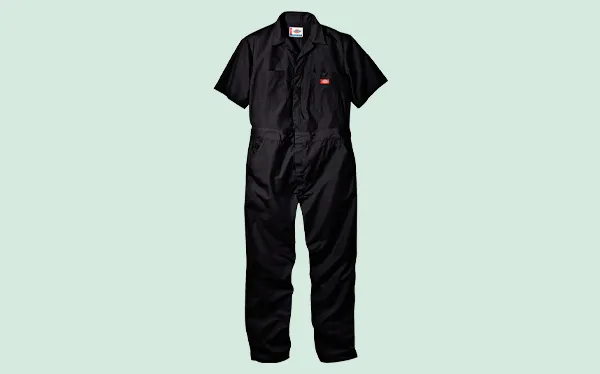
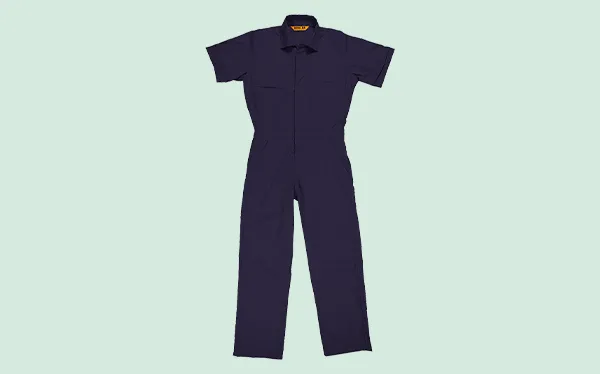
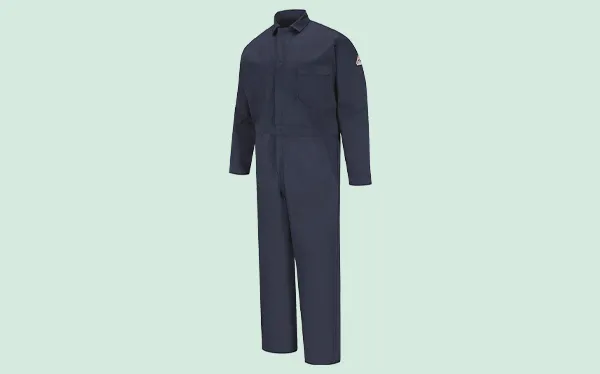
Recommended Styles:
What Are Overalls?
Now that you understand what coveralls are, let’s move on to the next question: “What is an overall?” and “What are overalls used for?”
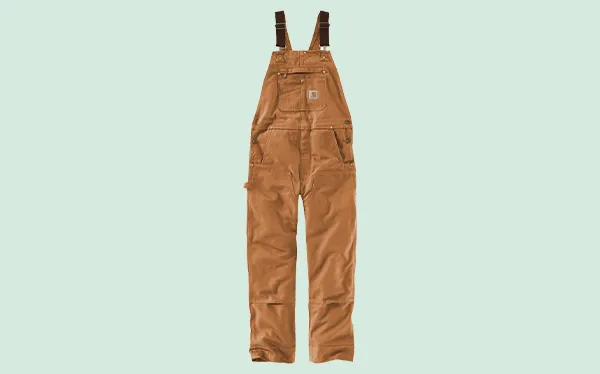
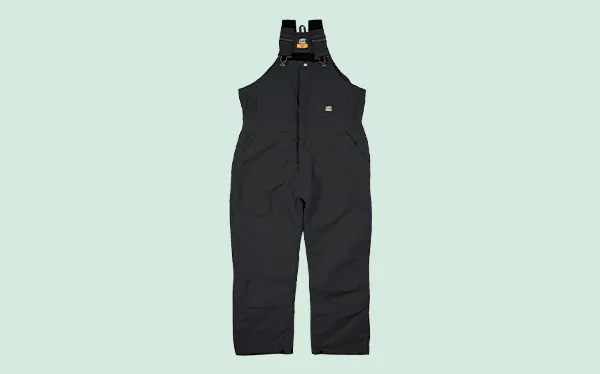
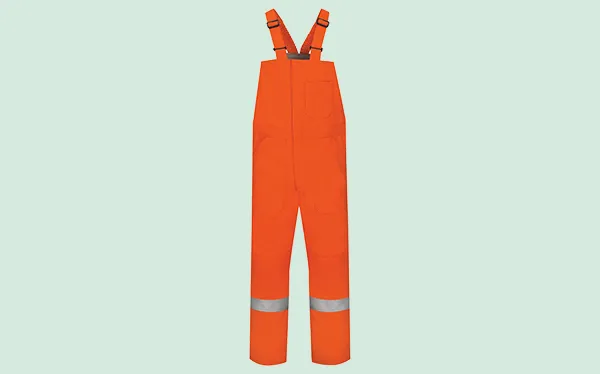
Overalls are trousers with a bib, holder, and loose straps to wear over your normal clothes, but do not cover the arms. They are historically been associated with farmers and railway workers. However, today, they are worn by painters, farmers, factory workers, train engineers, carpenters and many other workers.

Overalls purpose is to provide ease of movement of the upper body and increased airflow which is essential for certain types of work. But, they offer no protection to the upper body at all.
Pros of Overalls
Following are the advantages of overalls:
Freedom of Movement
When you define overalls, the first benefit that comes to mind is the freedom of movement. With adjustable shoulder straps and a loose fit, overalls allow workers to move comfortably and easily. This makes them ideal for physically demanding jobs that require flexibility.
Ideal for Wearing with Different Clothes
Overalls are designed to be worn over other clothing, providing versatility in different weather conditions. In colder environments, they can be worn over warm clothes such as a hi-vis jacket for comfort, safety and essential visibility. Conversely, in warmer climates, they can be paired with a simple t-shirt.
More Airflow Around the Torso
One major difference of overalls vs coveralls is that overalls offer increased airflow around the torso. Unlike coveralls, overalls leave the arms and upper chest exposed, allowing for better ventilation. This keeps the wearer more comfortable and provides better breathability.
Equipped with Plenty of Pockets
Overalls are equipped with multiple pockets, including large chest pockets and side pockets. This offers convenient storage for tools, small equipment, and personal items.
Reduced Strain on Waist
Unlike pants or jeans, overalls do not rely on a waistband to stay in place. The shoulder straps distribute the garment’s weight evenly across the upper body, reducing strain on the waist and providing a more comfortable fit. This makes overalls easy to wear during long working hours.
Cons of Overalls
While overalls offer several benefits, they also offer some disadvantages as mentioned below:
Limited Upper Body Protection
Overalls do not provide full upper body protection, leaving the arms exposed. In environments where full-body coverage is necessary, such as when handling hazardous materials or working in extreme weather conditions, overalls may not offer sufficient protection compared to coveralls.
Chances of Straps to Slip
The adjustable shoulder straps on overalls can sometimes slip off the shoulders during work. This can be distracting and require frequent readjustments, which might be inconvenient in fast-paced or high-risk environments.
Not Ideal for Cold Weather
While overalls can be layered over other clothing, they are not usually the best option for extremely cold weather. The lack of insulation and uncovered arms may leave workers feeling cold.
Recommended Styles:
What’s the Difference Between Overalls and Coveralls?
Both coverall and overall is known as a one-piece outer layer garment that is often worn over other clothes. Coveralls usually consists of a jacket and pants worn together. Most of them also have a zip or snap front for a secure fit.
On the other hand, overalls are more like a pair of pants with a bib over the top. The bib usually covers part of the chest and back while leaving the arms free. Adjustable suspender straps linked to the front and back of the overalls hold them up and eliminate the need for a belt.
Thus, the biggest difference between coveralls and overalls is that coveralls cover more of the wearer’s body, while overalls leave the arms uncovered.
Coveralls vs. Overalls: Which One Is Right for You?
When choosing between coveralls and overalls, consider your work environment and preferences. If you want full body protection, go for the coveralls as they are ideal for hazardous work environments. On the other hand, if you want better airflow and do not work in a harsh environment, opt for overalls.
Frequently Asked Questions