

When it comes to choose the best fabric for sportswear, it could be quite difficult, but there are a few very important things that should be taken into account. First of all, think about the activity that you’ll be doing while wearing that fabric. Think about the kind of work you will be performing. For instance, weightlifting may call for fabrics that are more supportive and sturdy, other activities, like running and cycling, may require lightweight, breathable materials that wick sweat away from the skin.
Comfort is the second important factor. When it comes to sportswear, comfort and moisture-wicking go hand in hand. Select a material that is comfortable against your skin and offers a complete range of motion. Seek for soft, stretchable materials.
The choice of material should be one of the most essential considerations when selecting best fabric for sportswear because the product’s appearance and feel can change greatly.


What Material is Sportswear Made from?
The phrase “sportswear” is quite wide and can include anything from team jerseys to yoga trousers and anything in between. The fabric used to make sportswear will depend on the kind of clothing you’re talking about.
Sports bras, tank tops, and leggings, for instance, are examples of sportswear that frequently combines spandex and polyester and also utilize more environmentally friendly materials. This combination is ideal for working out because it is elastic, lightweight, and moisture-wicking.
Conversely, soccer jerseys are frequently composed of 100% polyester, which is a strong material that can survive the demands of the game but is also beginning to see a rise in recycled polyester.
To achieve the majority of sustainable clothes, however, a great deal more work remains despite the best-intentioned modifications.
The most prevalent materials used to make sportswear are synthetic fabrics; and the ten best fabric for sportswear used are as follows:
Polyester
The most common sportswear material is polyester because it’s affordable, strong, and has a range of qualities that make it perfect for activewear. To make an item of clothing more adaptable, polyester is frequently combined with other textiles.
For instance, to make a fabric with exceptional stretch and recovery, polyester and spandex are frequently combined together. Leggings, sports bras, and other compression clothing frequently include this mixture. Additionally, cotton and polyester are combined to make a lightweight,
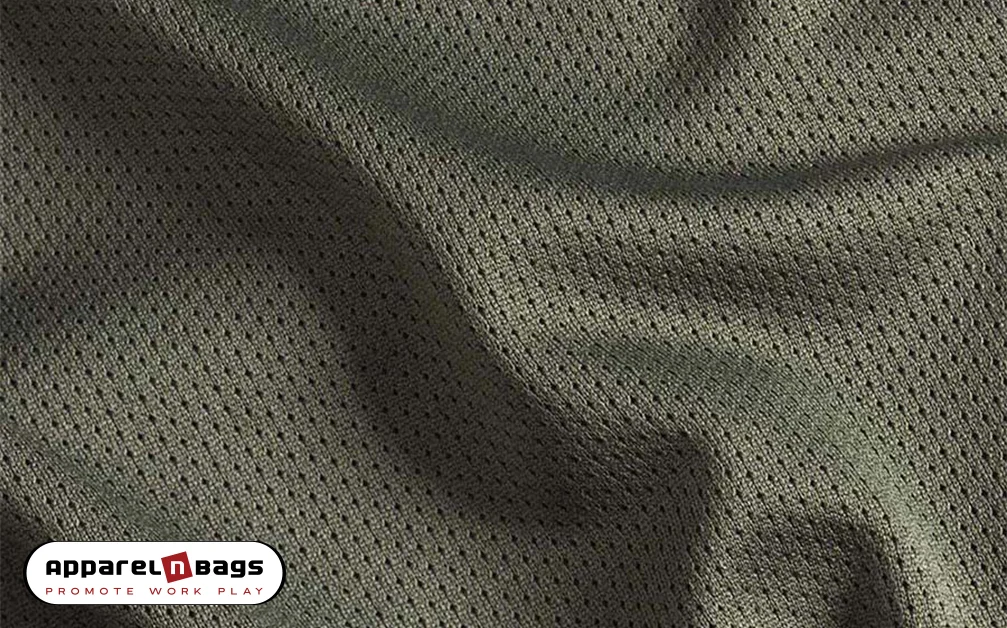
breathable fabric that is ideal for summer sportswear. Polyester is used in a wide range of sportswear, including running, biking, and crossfit.
Spandex/Elastane
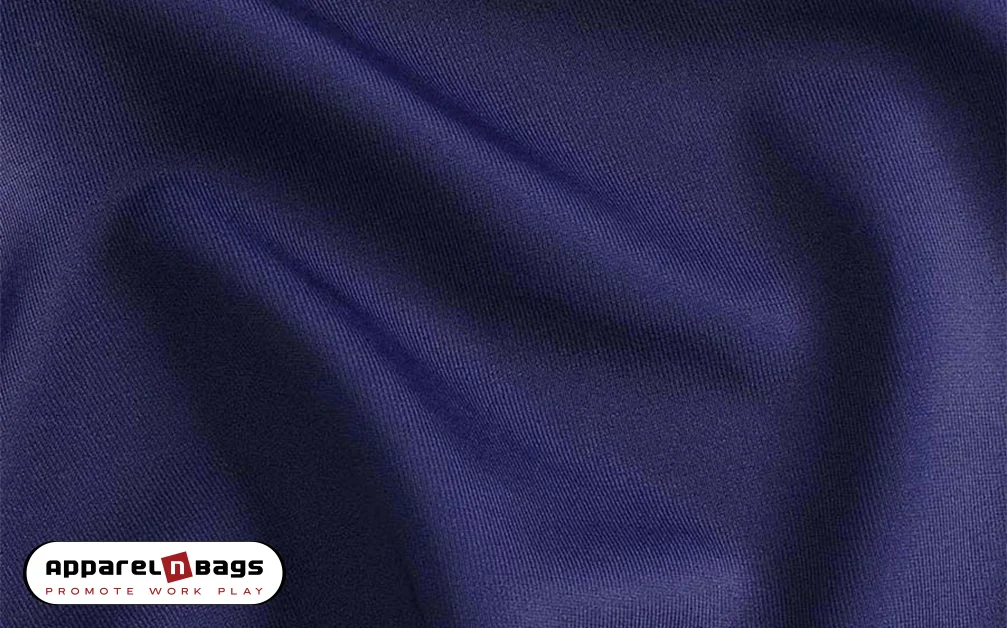
The synthetic fiber known as spandex, or elastane, was initially created in the 1940s. This fabric, which is well-known for its performance and comfort, has amazing stretch and recovery qualities. It can be stretched up to five times its original length and, when released, will revert to its original shape.
As a result, spandex—which is often mixed with cotton or polyester—is a best material for sportswear since it permits complete range of motion without sacrificing the structural integrity of the item.
Leggings, yoga pants, are common items that contain spandex and it is also good for cycling, running, yoga and weightlifting activities.
Nylon
The synthetic polymer known as nylon was initially created in the 1930s to take the role of silk. Because of its strength and durability, this fabric is perfect for activewear items that will be subjected to a lot of wear and tear.
Since it offers a lot of support, nylon is frequently used in other compression clothing. Furthermore, nylon is frequently utilized as a reinforcement in other textiles and its great elasticity and smooth fit make it perfect for swimwear when applied to knit materials. It is ideal for use in outerwear applications due to its poor breathability and mild moisture-wicking capabilities.
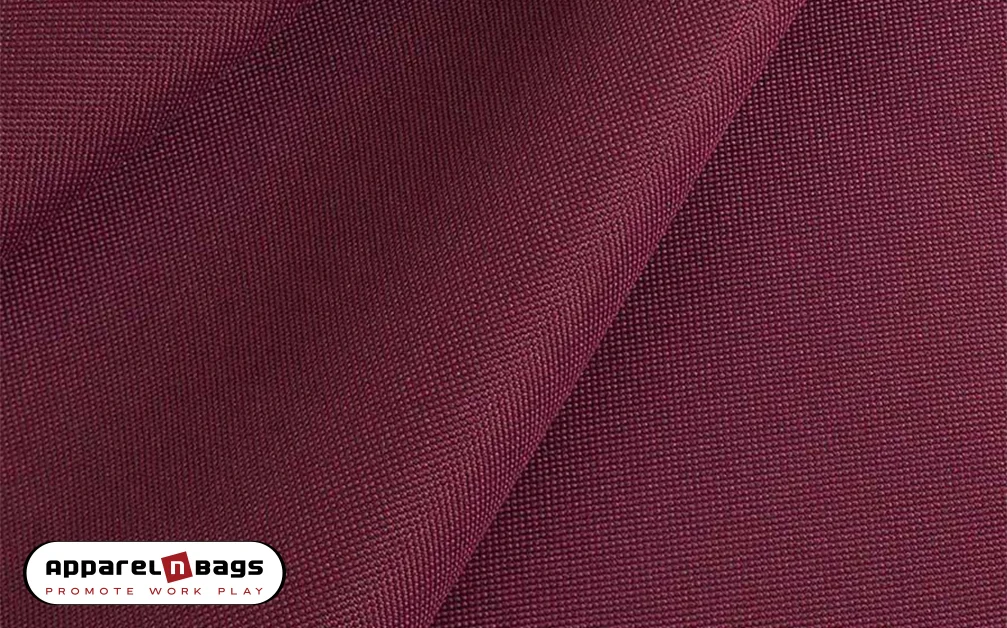
It’s simple to apply a durable water-repellent (DWR) treatment to nylon woven textiles, such softshell and ripstop, to aid in moisture beading up and rolling off the fabric’s surface and one more thing is that nylon is suitable for any type of workout activity whether it is an intense weight lifting or any other type of sports.
Merino Wool
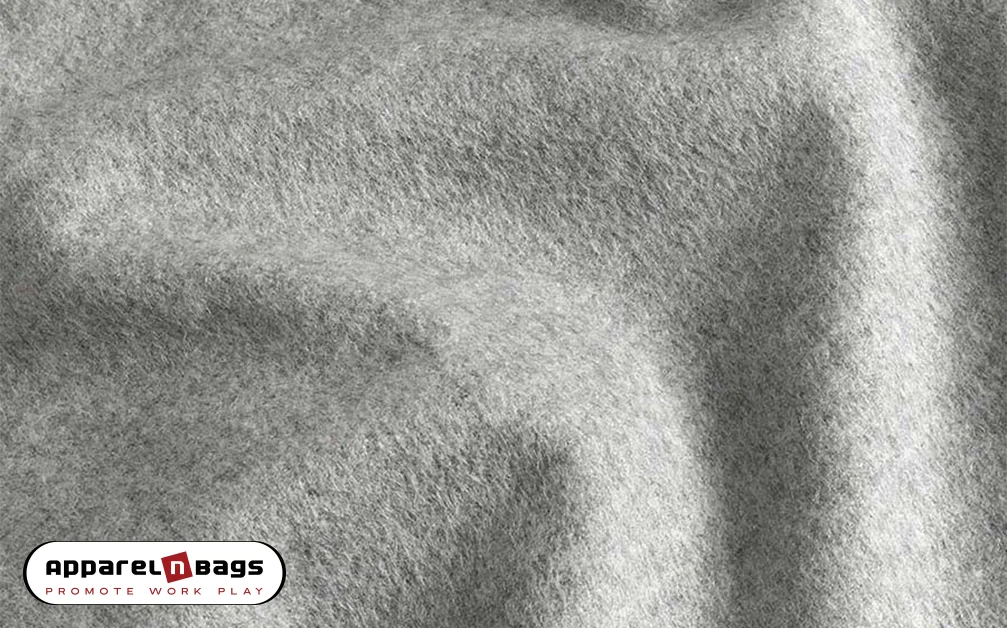
The merino wool, a breed of sheep that originated in Spain and is now distributed around the world, produces the wool that is known as merino wool. This wool is perfect for activewear because it is exceptionally soft and has great moisture-wicking qualities.
Because merino wool is so delicate, it’s frequently used in base layers and other clothing that will be worn adjacent to the skin. It’s a well-liked option for socks as well because it helps control body temperature and avoid blisters. Merino wool is a good material for outdoor sports, especially for hiking, running, mountain biking, and mountaineering
Despite being a natural fiber, merino wool production does need a lot of resources; sheep must be shorn annually, and the wool must be treated before it is usable. Along with that, merino wool is more prone to pilling and is not as resilient as synthetic materials.
MMCFs (Bamboo, Eucalyptus, etc.)
Man-created Cellulosic Fibers, or MMCFs, are a “new” kind of fabric created from wood pulp, a sustainable and renewable resource that can come from a range of raw materials, including bamboo, eucalyptus, and beech.
In this case, “new” is definitely in quotes because some of these techniques are quite old, but they are relatively new in terms of natural fibers. In sportswear apparel, these fibers are frequently utilized in place of synthetic materials like nylon, polyester, and others. Man-Made Cellulosic Fibers (MMCFs) are used in sportswear for a variety of sports, that are cycling, yoga, and rowing
Many of the characteristics of synthetic fabrics are shared by MMCFs, such as their strength, durability, superior moisture-wicking capabilities, and rapid drying times. They also have a few key advantages over synthetic materials, such as being recyclable, biodegradable, and requiring a lot less energy to make.
Microfiber
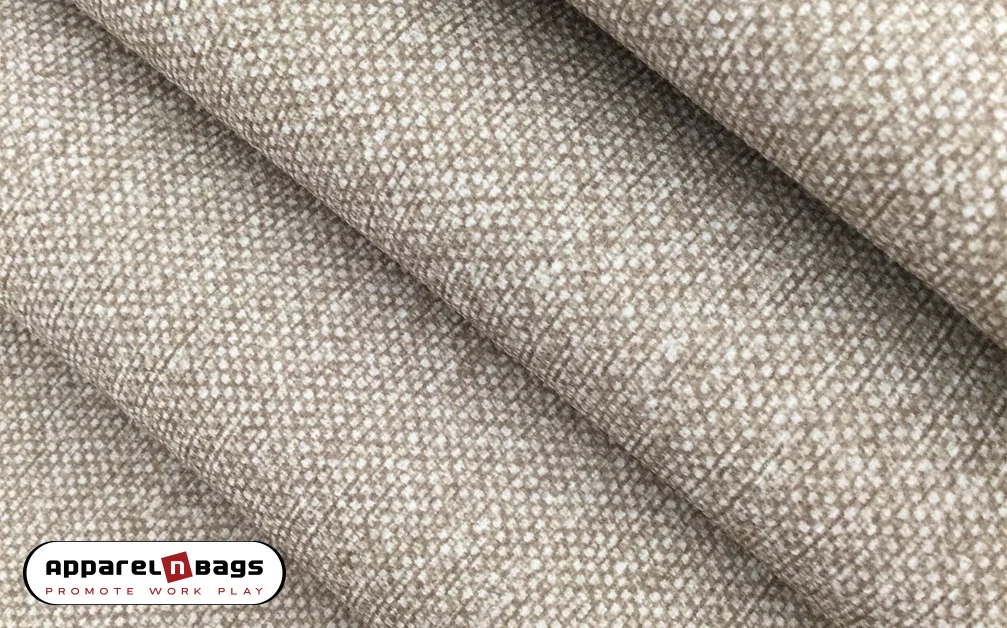
As the name suggests, microfiber is a material composed of fine tiny thread fibers with a maximum linear density of one denier. This indicates that the threads in microfiber are 100 times finer than those in human hair. It is an entirely synthetic material developed by combining polyester and polyamide.
Because of this blending process, it is an expensive material to utilize in big quantities, which means that the final goods are typically more expensive. Due to its great absorption capacity and lack of abrasiveness, microfiber is frequently utilized in the manufacturing of tracksuits, gym clothing, and towels.
The amazing part is that the microfiber fabric can be good for a variety of sports, including skiing, snowboarding, football, and soccer.
Synthetic
Originally designed to replace rubber and plastic sportswear, synthetic sportswear was intended for athletes.
Not only may synthetic material be utilized for apparel, but it can also be used for other sports equipment like elbow and knee bands. In addition to being breathable, this material absorbs perspiration fast, keeping you cool while exercising.
The main disadvantage of synthetic sportswear is related to its manufacturing process. Chemical synthesis is used in its production, which results in non-renewable byproducts that
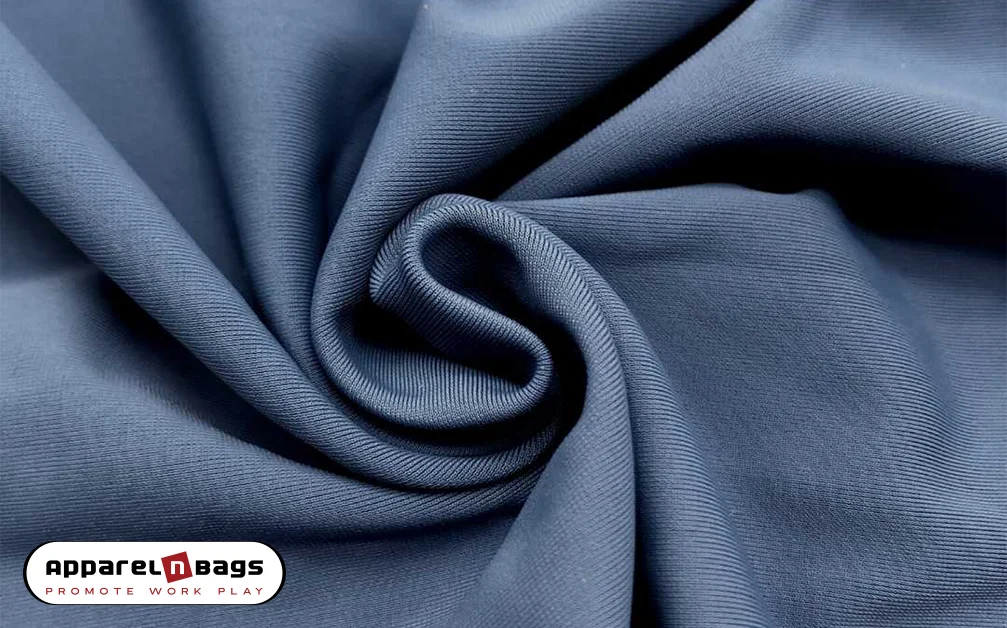
are bad for the environment. Synthetic is mostly used in soccer, football, basketball and many other sports.
Bamboo Fiber
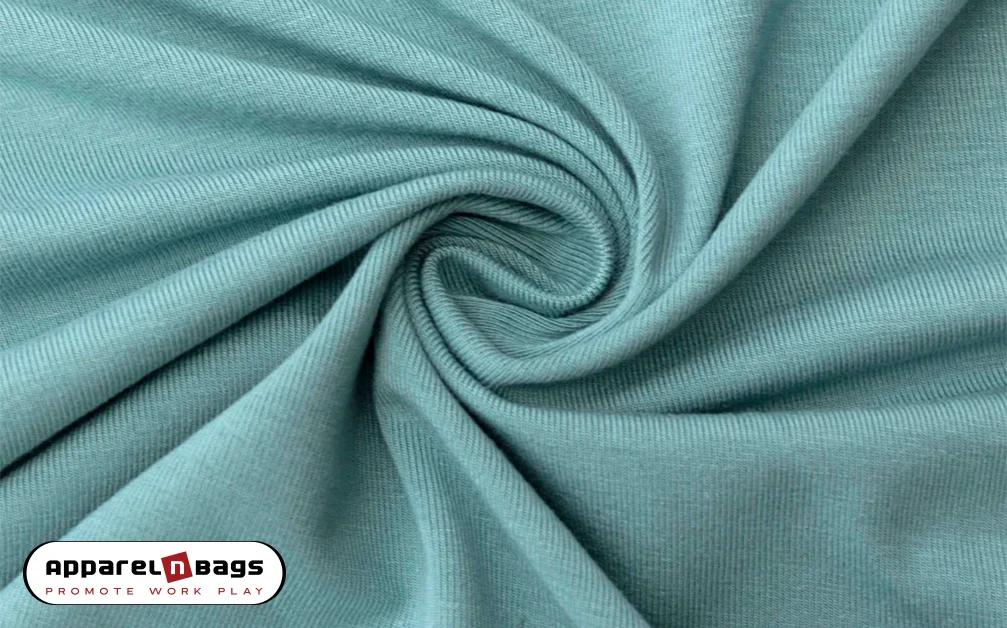
Bamboo is a great option for incredibly soft yet moisture-wicking sportswear. Natural fabrics made from bamboo pulp are lightweight and anti-static and bamboo fiber wicks away moisture, leaving sportswear odorless. It also offers incredible UV protection, so wearing it outside in the sun for long stretches of time won’t cause any issues. The best part is that bamboo fabric is a good choice for athletic wear because it’s breathable and moisture-wicking
bamboo fiber can be utilized in almost any application where cotton is used. Because of its remarkable qualities that
improve production and manufacturing processes, some manufacturers would even prefer this kind of cloth over cotton. bamboo cloth stretches more than cotton and has a high level of breathability. This fabric is easily woven into other high-thread-count textiles, and the resulting clothes are frequently more malleable and thinner than their cotton equivalents.
Gore-Tex
Hiking, biking, and jogging all require protection from inclement weather. Gore-tex is your best friend in those kinds of situations. This synthetic membrane, which isn’t truly a fabric, covers conventional textiles to provide windproof and waterproof properties while yet enabling skin to breathe and insulate during demanding activities.
Gore-Tex is a composite textile used to produce running shoes and athletic items including gloves, coats, and cagools. It works well for clothing that must be both extremely resistant to harsh environments and durable. It’s still a breathable
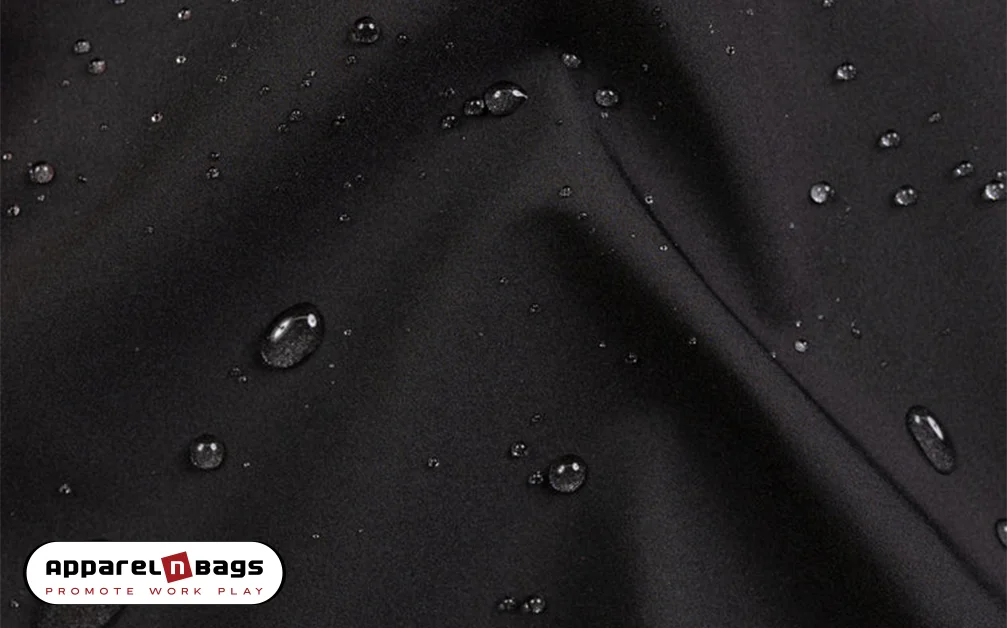
textile that works well for high-intensity sports in spite of these characteristics. In essence, it lets perspiration evaporate but keeps water and wind outside.
Cotton
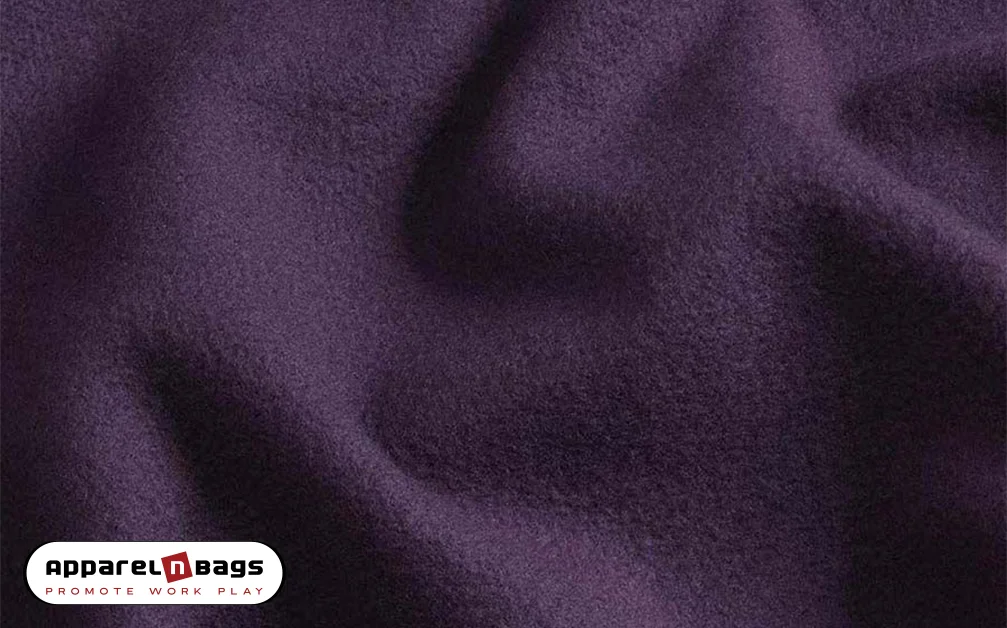
Cotton doesn’t absorb perspiration, therefore in the past, industry experts generally agreed that it wasn’t a smart choice for activewear. Nonetheless, cotton sportswear is making a comeback these days since it manages odors better than other textiles. It is permeable and does not retain unpleasant odors or other activity-related consequences. Nonetheless, cotton still lags behind its more contemporary and technologically sophisticated rivals when it comes to quickly absorbing perspiration.
Cotton material are used for mild intensive activities, casual sports, warm-up and cool-down sessions, and athleisure. Due to the wide scope of sportswear, this list includes activities beyond traditional sports like cycling, yoga, rowing, etc. With this expansion, there was a wider selection, better reflecting the consumption of activewear over the previous two years.