

When you glide hand over any polo shirt, you can sense the texture instantly. Either they are supple, dense and firm, or slightly coarse. That’s all because of the fabric they’re woven from. The best fabric for polo shirts retains shape, wicks moisture, and remain breathable
Fabric is the “secret ingredient” in a great polo shirt. That’s why it’s important to pick the material that delivers the best value. In this guide, we tell you about polo shirts and their best fabrics like cotton, performance polyester, durable poly-cotton blends, and textured pique knits.
We’ll also share how each fabric delivers in daily wear and which one works best for active workdays.
Best Polo Shirt Fabric: Quick Comparison
There are too many types of fabrics for polo shirts. Some feel soft and breezy, while others are dense and structured. But each brings something different to the table. Here’s what makes each fabric unique.
| Feature | Cotton | Piqué Knit | Jersey |
|---|---|---|---|
| Texture | Smooth, soft | Furry texture | Slightly stretchy |
| Breathability | Excellent | High | Moderate |
| Durability | Moderate | Holds shape well | Less structured |
| Best For | casual & office-casual looks, sensitive skin | Golf and team uniforms | Gym and casual gathering |
| Moisture | Absorbs well | Wicks sweat | Absorbs sweat |
| Appearance/Formality | Natural, classic | Structured | Casual |


Types of Polo Shirt Fabrics and Their Benefits
Polo material is the base that turns an ordinary shirt into one you actually enjoy wearing. Let’s get a better idea of the best fabrics for polo shirts and find which one fits your different needs.
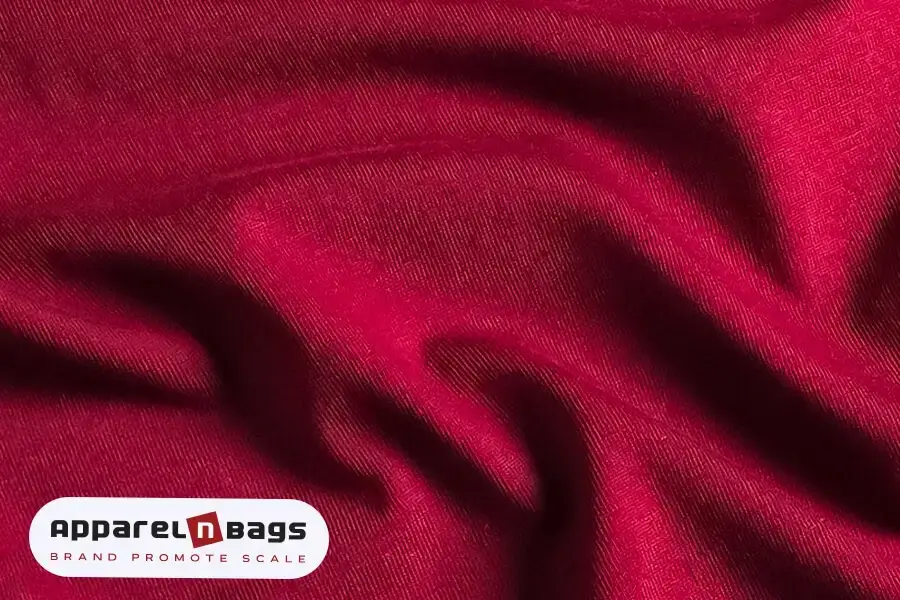
1. Cotton – Natural Comfort and Breathability
Polo shirts are pretty much the first thing you’ll spot across the U.S. once summer hits. And, it’s easy to see why; they’re soft, airy, and super breathable. But what really gives them that breezy comfort? It’s all because of the cotton fabric. If the tag on your polo says cotton, that’s your “green light”. You can use them for the office, outdoor hangouts, or even weekend family get-togethers.
Cotton makes the polos lightweight and helps pull away moisture, which keep you cool and comfortable all day long.
- Upsides: soft, hypoallergenic, breathable.
- Drawbacks: wrinkles
- Best for: casual wear and outdoor activities.
2. Polyester – Performance and Durability
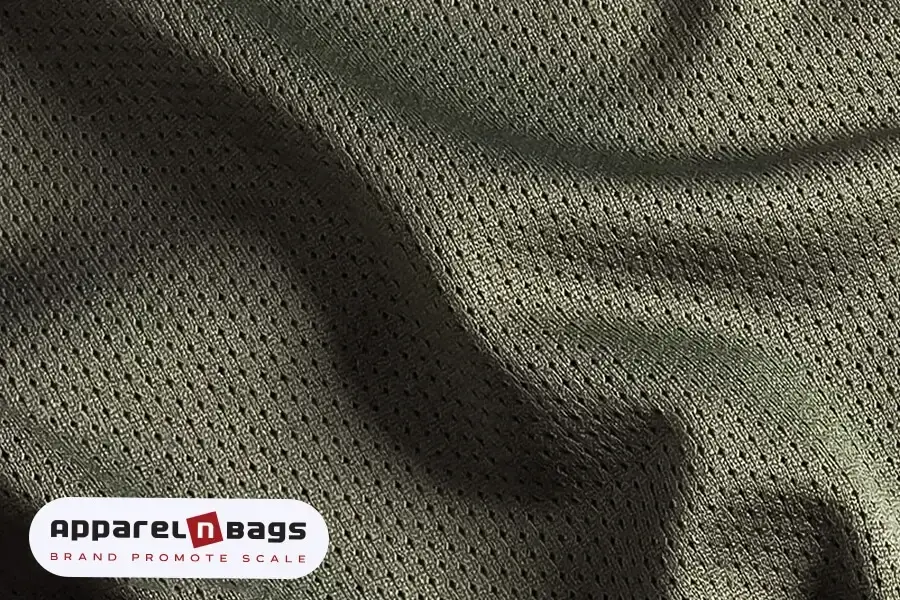
Athletes often prefer polo shirts that are comfortable, lightweight, and stretchable. This flexibility and performance come from polyester fabric. Polyester is made from polyethylene terephthalate (PET), a type of plastic derived from petroleum.
This performance fabric polo shirts gives collared polos their signature qualities. They are light in weight, wrinkle-free, quick to dry, and naturally stretchable. That’s what makes polyester polos perfect for active lifestyles and long days on the move.
- Upsides: durable, wrinkle-resistant, quick-drying, stretchable.
- Drawbacks: less breathable.
- Best for: sportswear and team uniforms.
3. Poly-Cotton Blend – Balance of Comfort and Function
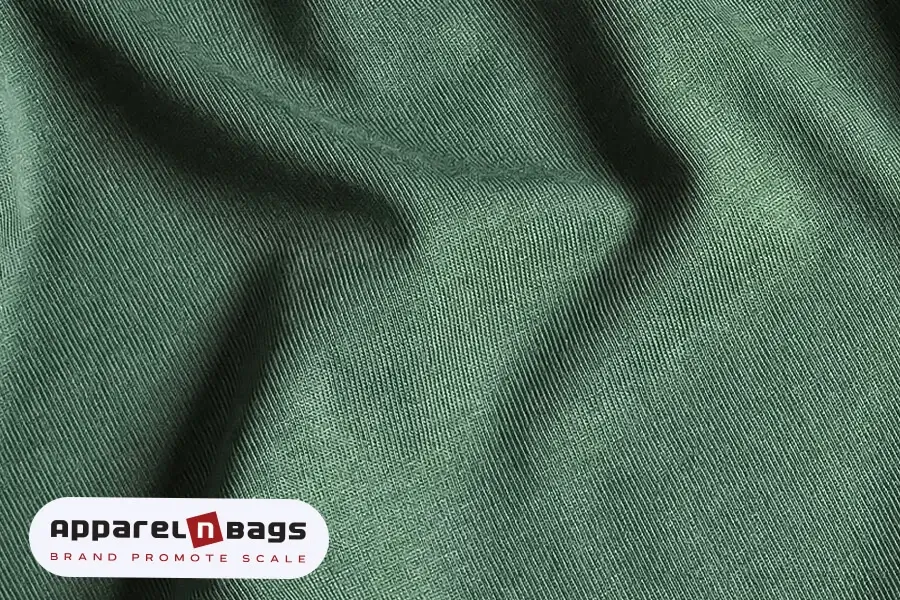
Just like any other material, a blend of poly and cotton fabric used in polo shirts is also quite common. The reason for using this mixture is simple. Everyone prefers polo shirts that are soft and durable. Something pure cotton or polyester alone can’t always deliver. A blend of around 65% cotton and 35% polyester creates a fabric that feels gentle on the skin, resists wear and tear, and stays comfortable throughout the day.
Another plus of this fabric is that it doesn’t shrink easily, and the threads hold up well even after frequent washing and daily wear.
- Upsides: breathable, durable, easy to care for.
- Drawbacks: slightly less lightweight than pure cotton.
- Best for: team uniforms and work wear.
4. Piqué Cotton – Classic Textured Elegance
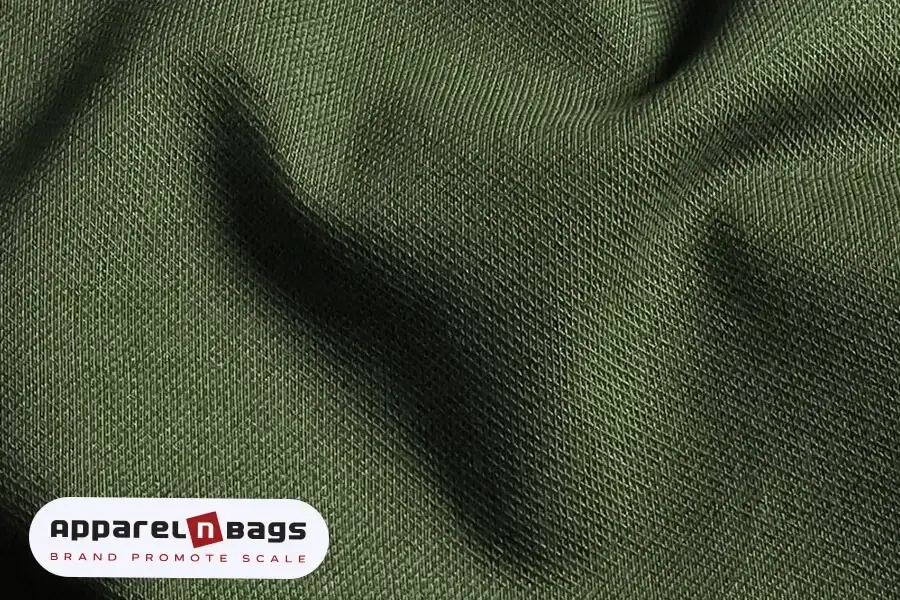
Among many polo shirt material types, pique knit fabric has a story of its own. Most people don’t know that it’s not a different material but a special way of knitting fabric. Pique, also called Marcella, is made mostly from cotton and is known for its tiny raised cords and neat geometric patterns. This double-knit style gives the fabric its unique texture and breathability.
- Upsides: breathable, textured, holds shape well, gives a neat classic look.
- Drawbacks: slightly heavier, takes longer to dry.
- Best for: office wear and semi-casual outfits.


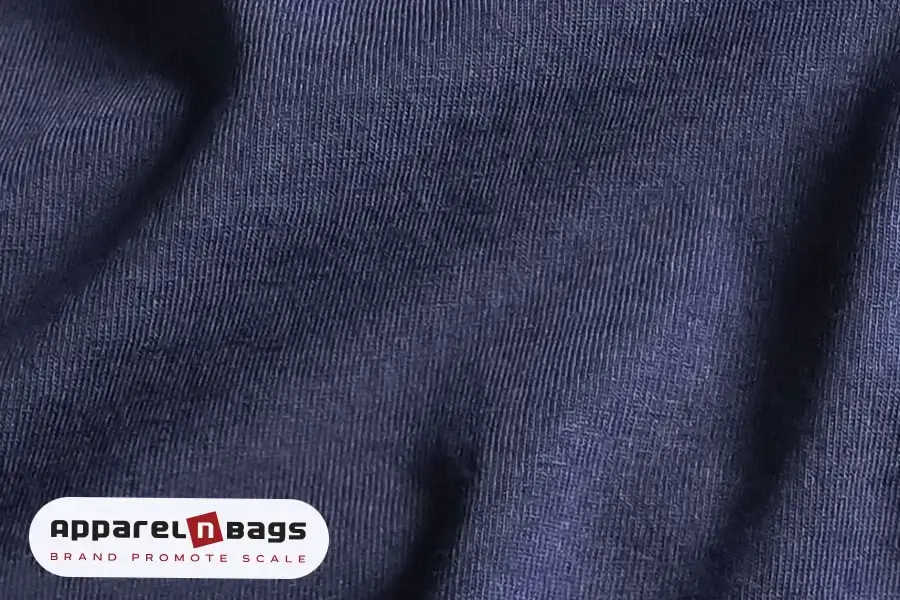
5. Jersey – Stretchable Enough for Active Lifestyles
The first thing most people notice in a polo shirt is whether it’s soft and stretchable. For that reason, jersey-made polos are the top pick. They feel soft, airy, and pleasantly smooth to the touch.
Polo shirts in this fabric are super comfortable but less suited for a formal look. Still, it’s ideal when you want something soft, breathable, and budget-friendly for everyday wear.
- Upsides: soft, smooth, lightweight, breathable, and sustainable.
- Drawbacks: less structured, collar may lose shape.
- Best for: casual wear, travel, and everyday comfort.
Best Fabric for Polo Shirts for Different Uses
Each fabric for polo shirts have their qualities. Some are ideal for sports other for the office use. Below we have listed the best fabrics for polo shirts and their use in daily lives.
| Use Case | Recommended Fabric | Why It Works |
|---|---|---|
| Sports & Gym | Polyester and poly-cotton | Dries fast, stretches, and handles sweat |
| Work Uniforms | Piqué cotton and poly-cotton | Keeps shape and resists wrinkles |
| Casual Use | 100% cotton | Soft and breathable |
| Hot Weather | Jersey and Polyester | Light, cool, and dry quickly |
| Eco-Friendly | Cotton | Sustainable and gentle on skin |
| Custom Branding | Piqué and poly-cotton | Holds embroidery and logos well |
Now that you can see what works for each situation whether its workouts, workdays, or just hanging out, choose a polo material that feels good and lasts longer.
Conclusion
You can wear polo shirts for office and workouts activities. But for different kind of activities, you need the appropriate fabric for polo shirts. Like for office work cotton is ideal, but for sports and outdoor activities, polyester and jersey perform really well.
In general, all the polo shirt fabrics are lightweight, breathable, and durable. But they all perform differently when you use them regularly for different activities. So it is important to understand each polo shirt fabric type and then select the ideal material for your needs.